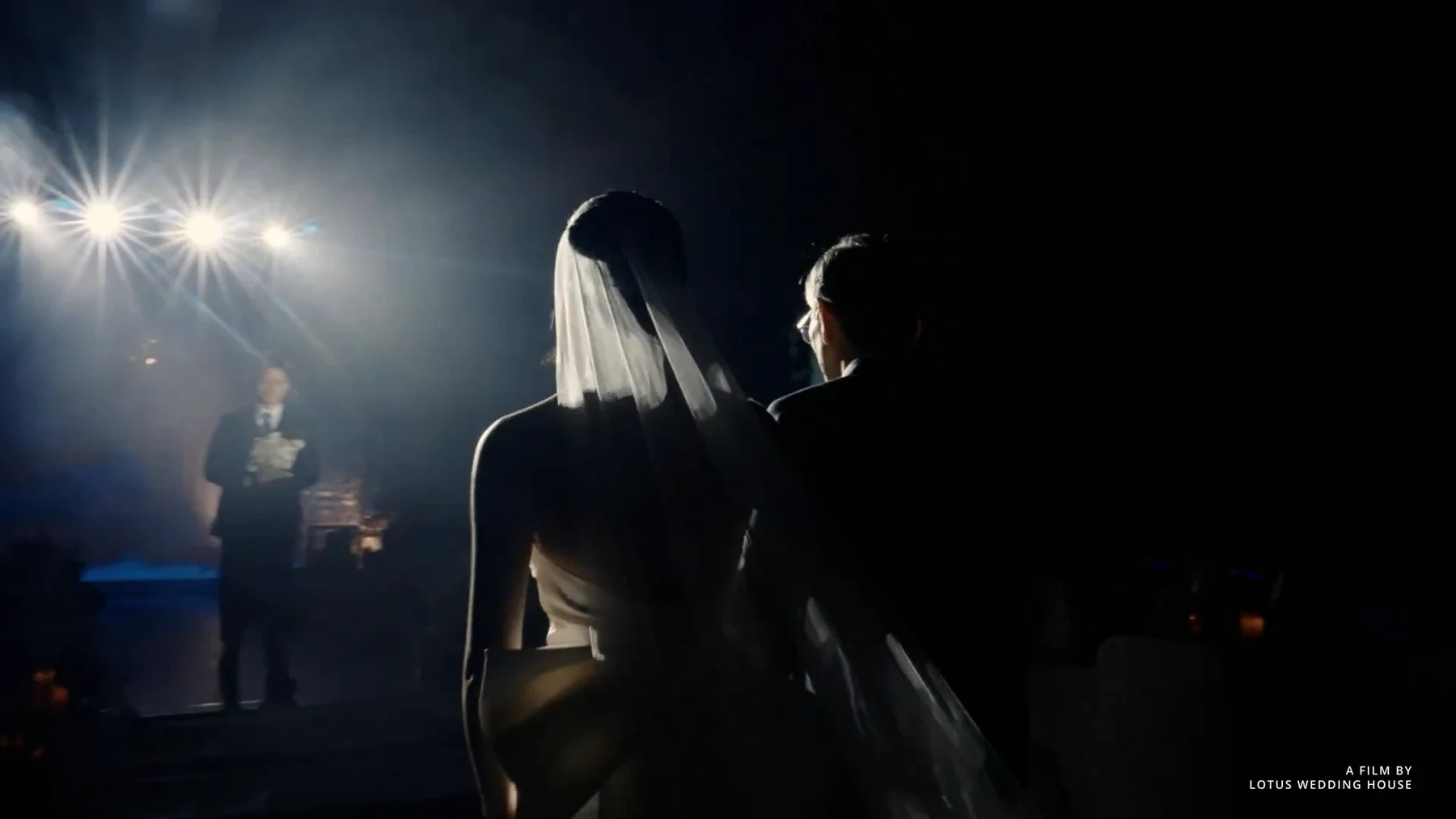
What a live band brings
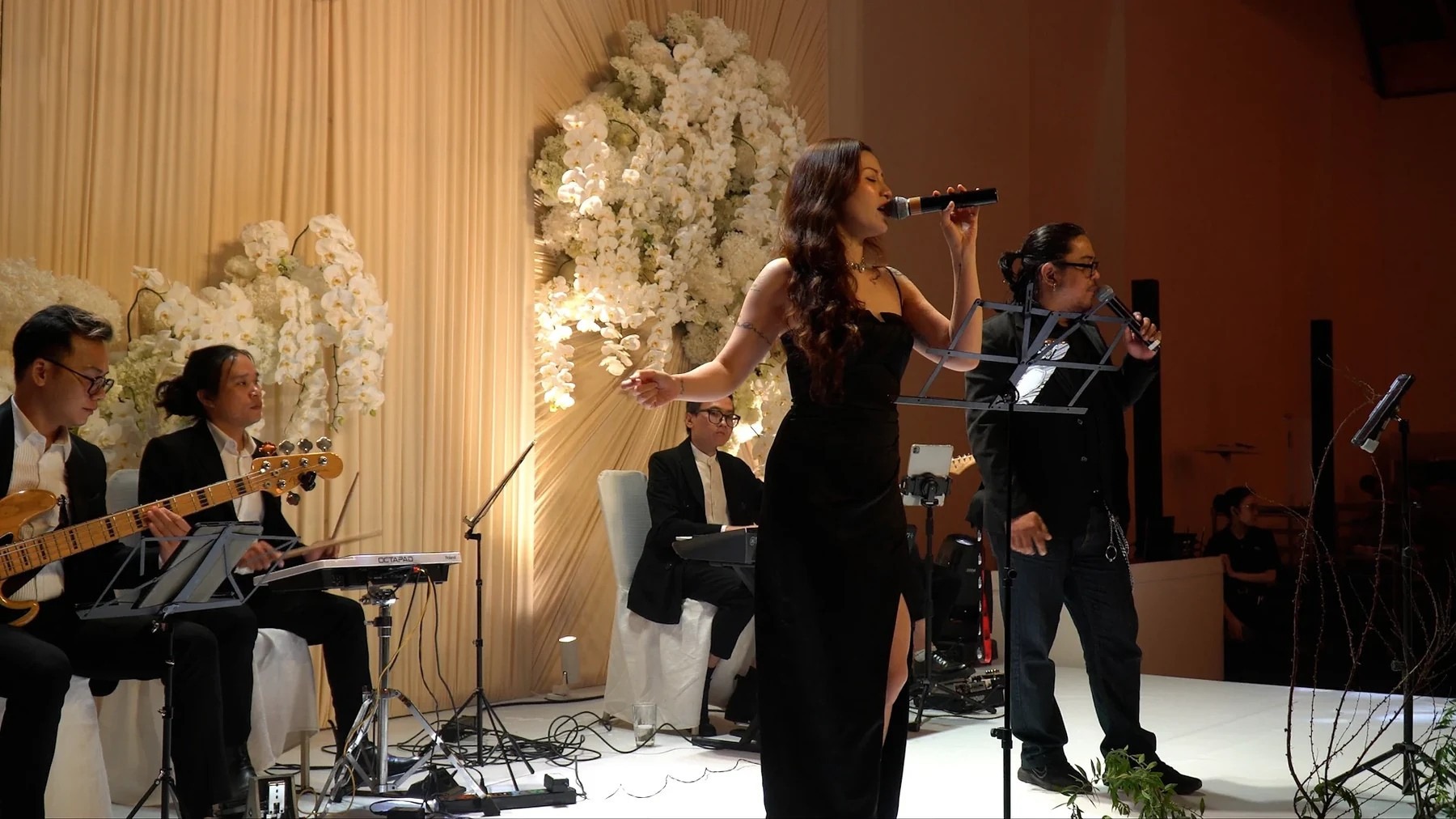
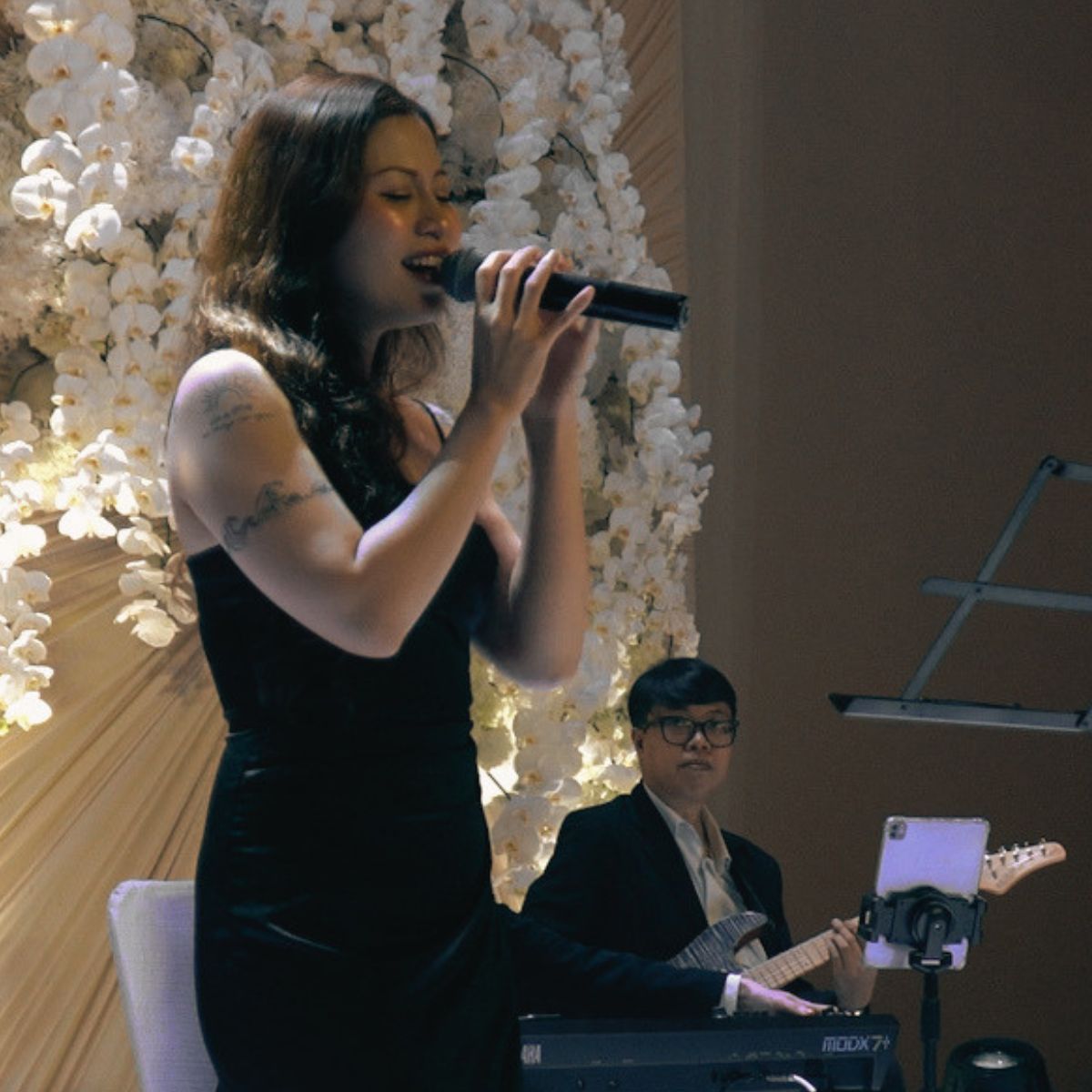
A band can reshape a familiar song for the room, respond to the couple, hold visual attention and make a moment feel unrepeatable. During dinner or an early dance set, the presence of musicians can turn listening into a shared event.
The band is strongest where the wedding benefits from interpretation: entrances, first dance, featured songs, emotional peaks and the first invitation to the dance floor.
What a DJ brings
A DJ can move quickly across genres, decades and languages while keeping the floor continuous. Recorded originals may also be the right choice when guests expect a particular production, vocal identity or electronic texture.
The DJ is strongest where continuity, request flexibility and late-night momentum matter. This does not make the role less creative; it means the creative tools are different.
A sample band-to-DJ timeline
| Phase | Music lead | Purpose |
|---|---|---|
| Guest arrival | Band or curated playback | Establish tone without demanding attention |
| Dinner | Live band | Create warmth and shared presence |
| Key programme moments | Band / agreed playback | Support entrances, speeches and first dance |
| Opening dance set | Live band | Turn observation into participation |
| Handover | Band leader + DJ | Protect energy and technical continuity |
| Stage coordination | DJ | Expand repertoire and sustain late-night flow |
The handover should be designed—not announced as a reset
The transition works best when the final live song, DJ entry track, lighting change and MC language support the same emotional direction. A long silence, disconnected genre shift or visible cable change can make the room feel as though one event has ended and another unrelated event has begun.
For a complementary planning perspective, explore What a Live Band Should Prepare for a Multicultural Wedding in Vietnam.
The band leader and DJ should agree who controls playback during band breaks, when the DJ takes full ownership and whether both use the same system. Technical routing must be confirmed with the production team, not assumed on site.
When one service may be enough
A DJ may be enough when the couple values original recordings, broad requests and a long dance-focused programme more than visible live performance. A band may be enough when the event ends earlier, the desired repertoire suits the ensemble and the live sets can carry the complete arc.
Using both is not automatically better. It is better only when each role has a clear purpose and the production supports a seamless transition.
A useful next step is understanding How Many Musicians Does Your Wedding Actually Need?.
Design the emotional architecture first
The right sequence depends on when guests are expected to listen, dine, watch, sing and dance. A band can create the emotional centre; a DJ can release the evening into a less formal form. Another wedding may reverse those priorities.
The decision should therefore begin with the shape of the night, not with a checklist that says a premium wedding must include both.
Questions that should be settled before production day
The music plan should also define boundaries around requests. Guests may approach the DJ while the band is performing or ask the band for a song planned for the late-night set. A coordinated team can protect the couple’s direction without making the evening feel restricted.
Volume and curfew decisions belong in the same conversation. A late-night DJ set may be limited by venue rules even when the musical energy is rising. The handover timeline should therefore work backwards from the actual end time, not from an abstract idea of when a party usually begins.
This decision also connects closely with Designing the After-Party Transition: How Live Music Shifts a Wedding From Elegant to Euphoric.
Finally, the couple should decide which role owns the last song. The closing moment may be a live communal performance, a recorded anthem or a gentle track that releases the room. The ending deserves the same design attention as the first entrance.
Questions couples often ask
Do we still need a DJ if we book a full band?
Not always. It depends on the programme length, requested repertoire and the desired late-night experience.
Can the band and DJ use the same sound system?
Often they can, but routing, inputs, monitoring and technical ownership must be confirmed with the production provider.
Who should play during band breaks?
This should be assigned in advance to the DJ, band playback operator or venue system.
Should the DJ start immediately after dinner?
Only if that timing fits the desired arc. Many weddings benefit from a live opening dance set before the DJ takes over.
Can the handover happen without an MC announcement?
Yes. A musical and lighting transition can be more elegant when the room does not need a formal explanation.
Written and reviewed by Lux Band Editorial Team
·
“The strongest handover does not feel like one supplier stopping and another starting. It feels like the evening discovering its next form.”
Design one evening—not two disconnected music bookings
Share your run-of-show, live-music priorities and after-party direction so Lux Band can help define a clear band-to-DJ transition.
Design your Band → DJ transition →