Acoustic Harmony with Interior Textures
Soft carpets, wood paneling and mirrored surfaces each interact differently with live instruments. Fabrics absorb high frequencies, while wood and glass reflect mid-range tones.
Depending on the room and production scope, Lux Band may conduct frequency checks during soundcheck and adjust equalization to the room’s acoustic response. The goal is warm, natural piano, guitar and vocal tones that feel integrated rather than imposed.
Structural Minimalism: The Invisible Presence
Luxury depends on visual coherence. Exposed cable grids and bulky equipment do not belong beside chandeliers and couture tablescapes.
When the room and approved production plan allow it, slim speaker systems can be positioned along structural lines, while wireless transmission or concealed cable routing may support a more visually discreet setup. Technology remains present without becoming the visual subject.
Choose Presence Before Volume
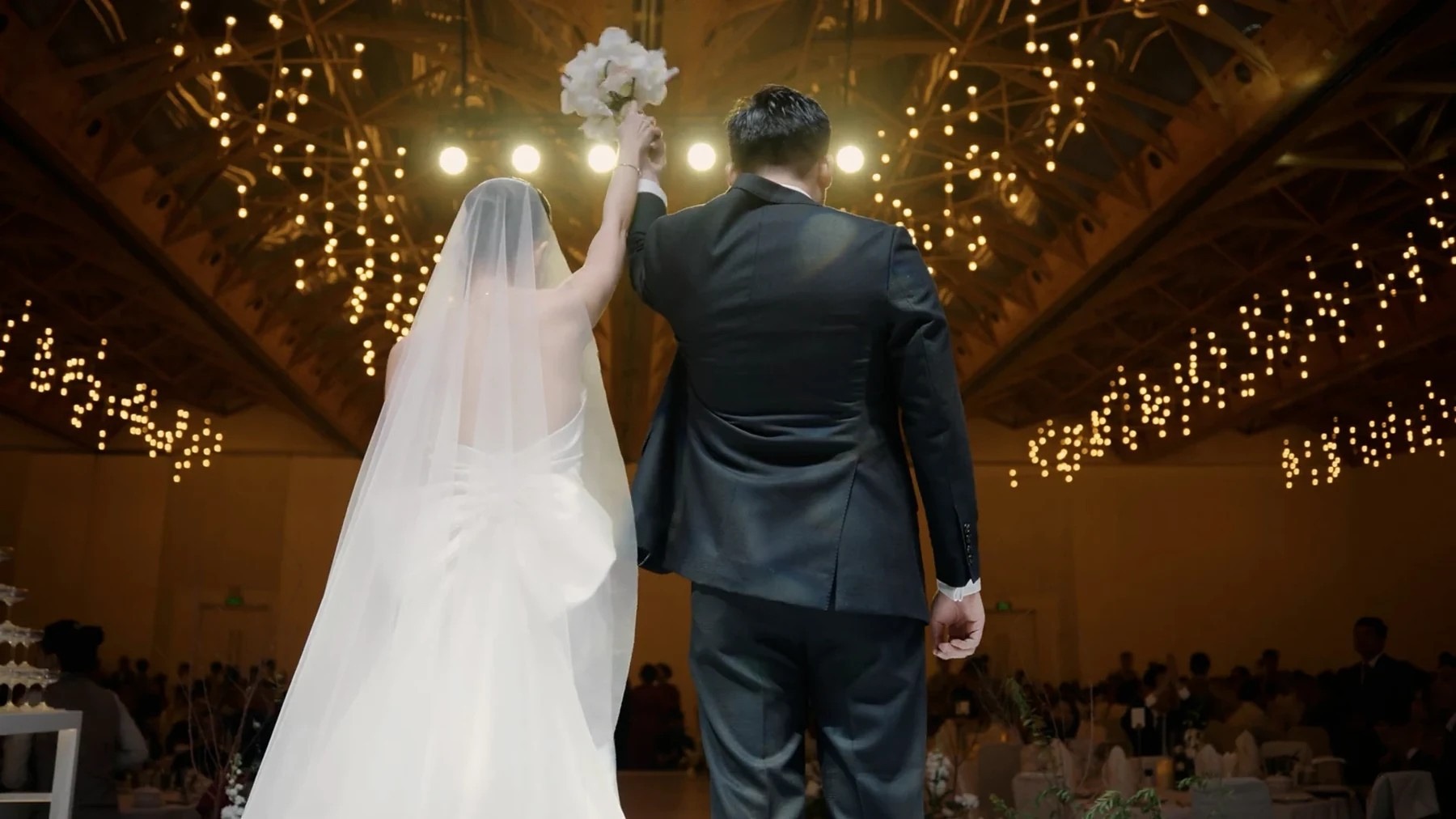
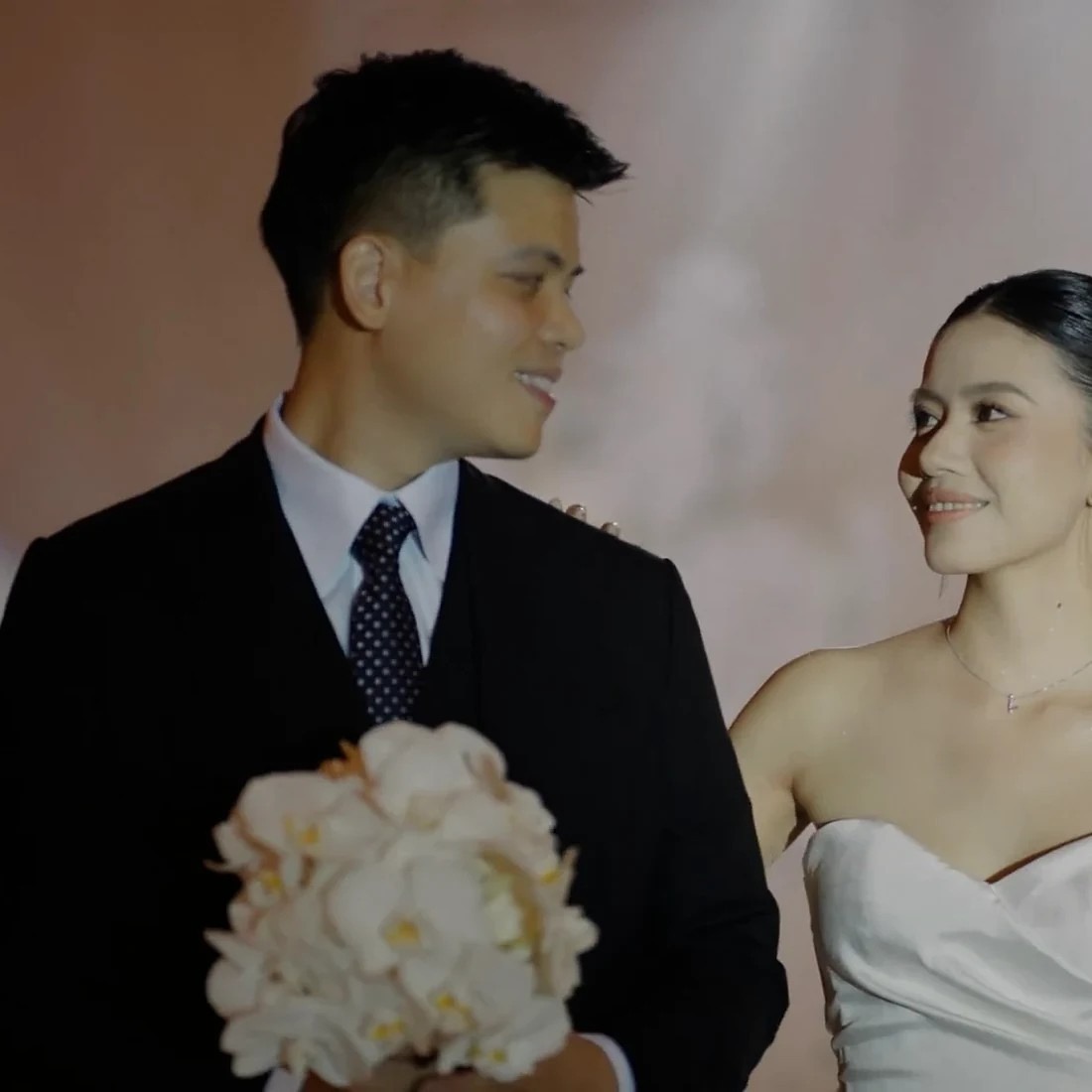
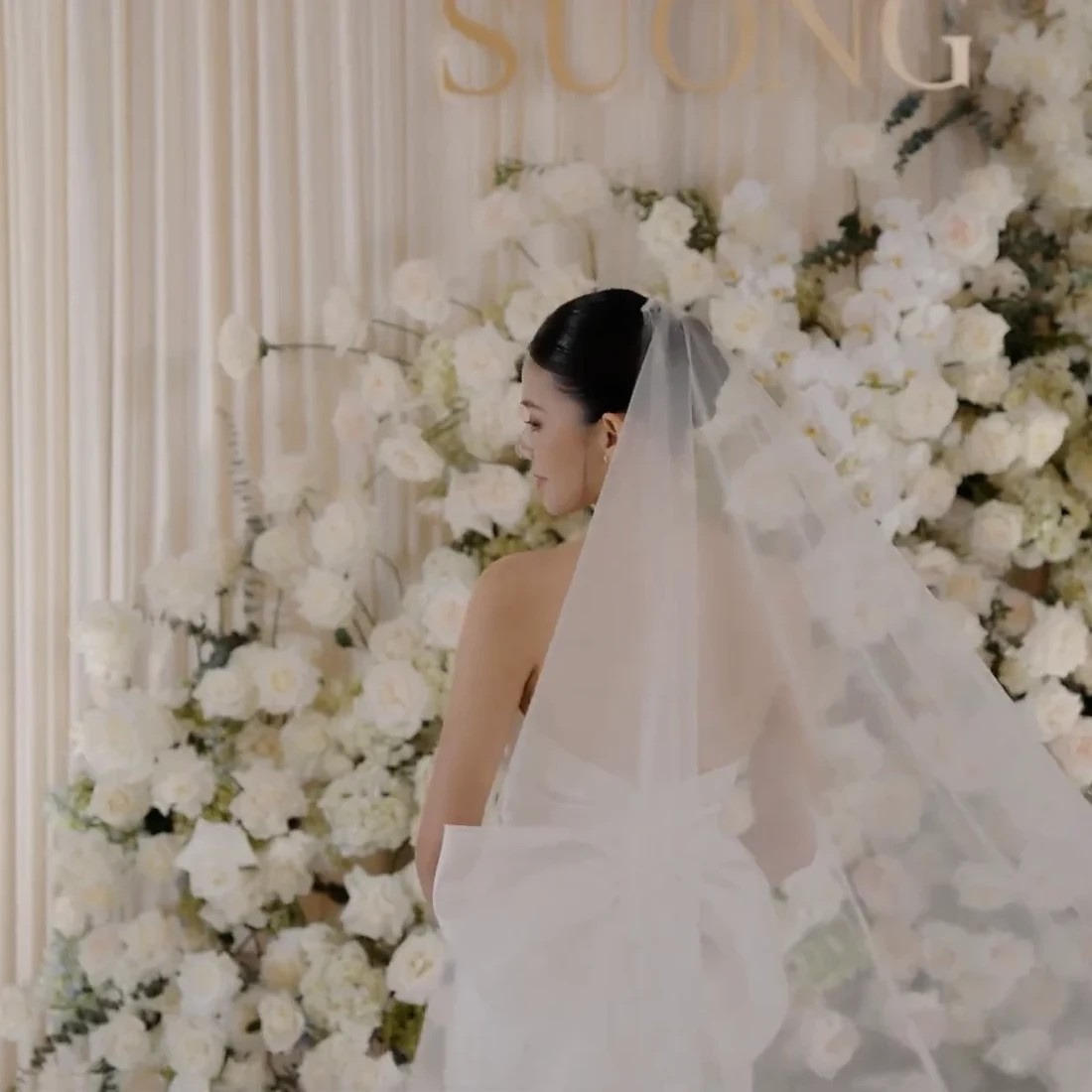
Park Hyatt Saigon presents its weddings through elegant event spaces, including a ballroom that can be configured in connected sections. In this setting, live music is most persuasive when it feels proportionate to the room. The performance should be present enough to shape the atmosphere but restrained enough to preserve conversation, service and the sense of occasion.
For the wider planning context, explore Inside a GEM Center Wedding: Designing Live Music for a Cathedral-Height Ballroom.
That balance begins with the repertoire and arrangement. A smaller ensemble can sound complete when each part has a clear role; a larger band can still feel refined when dynamics are planned rather than left to chance. The question is not how quiet the band can play, but how intentionally it can move between welcome, dinner, speeches and celebration.
Design the Stage as Part of the Interior
The stage, music stands, microphones and speakers all become part of the visual frame captured in photographs. Their positions should be reviewed with the planner and decor team while the room layout is still flexible. Neutral finishes, orderly cable management and an ensemble footprint scaled to the stage help the technical setup recede without compromising safety or performance.
A useful next step is understanding Outdoor Weddings in Vietnam: What Live Sound Design Actually Requires.
The same principle applies to lighting. Musicians need enough light to perform and respond to cues, but the stage should not introduce a competing color language. A coordinated lighting brief allows the music to feel connected to the room instead of appearing as a separate production placed in front of it.
Build a Repertoire That Ages Gracefully
Quiet luxury is not tied to one genre. Jazz standards, acoustic interpretations, contemporary soul, cinematic themes and carefully arranged pop can all belong in the same evening. What matters is continuity: familiar music presented with enough restraint and musicianship to suit the architecture and the couple's taste.
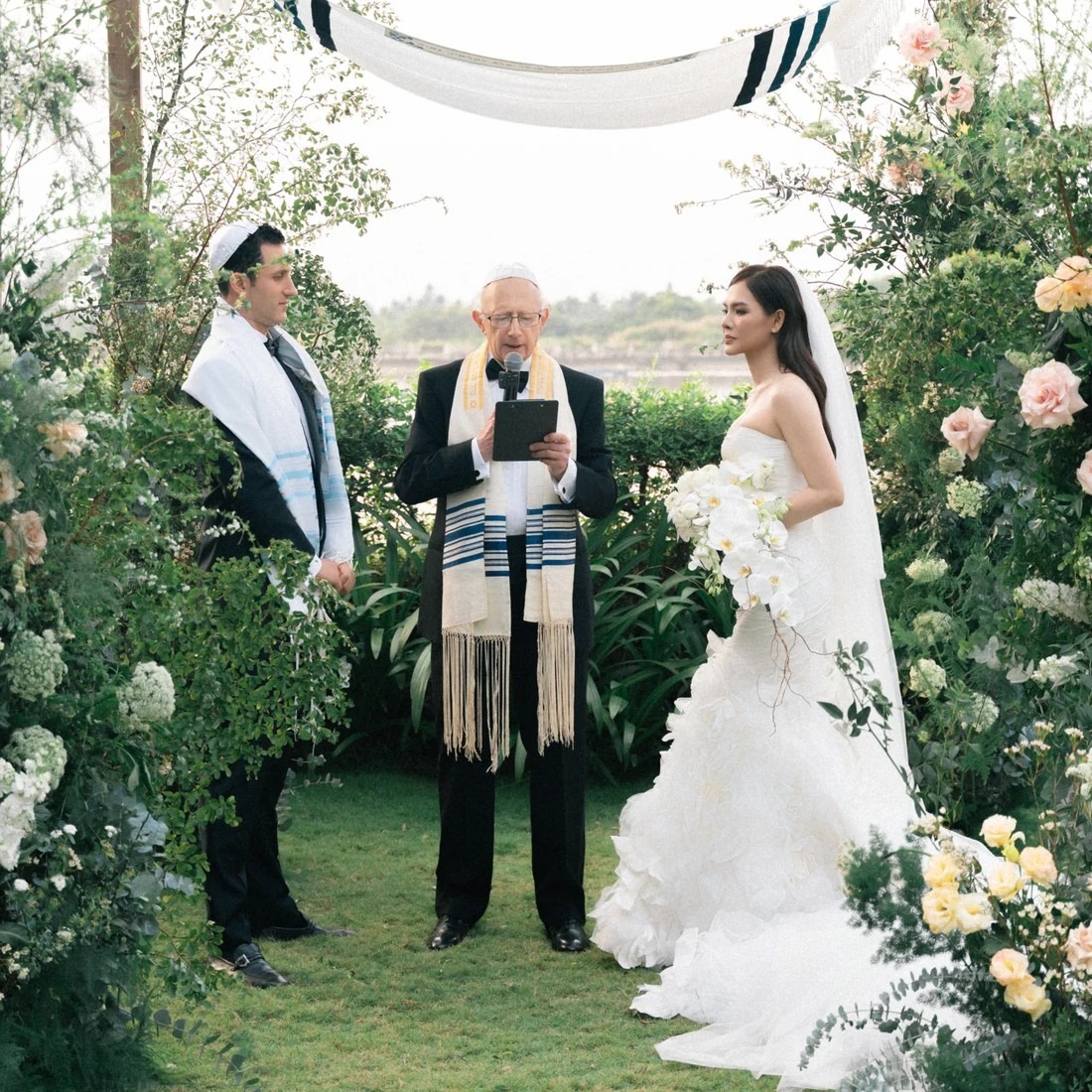
International couples should identify a small number of emotional references rather than prescribing every song. Those references help the music director understand the desired degree of formality, warmth and energy. The resulting programme can remain personal while still responding to the room and the guests in real time.
This decision also connects closely with How Lux Band Works With International Wedding Planners and Venues.
A Useful Approval Sequence
Begin with atmosphere and repertoire, then confirm the lineup, stage footprint and room layout. After those creative decisions are stable, the hotel and production teams can review access, power, setup timing and sound coverage. Key songs and cues are finalized last, when the ceremony and reception timeline is reliable. This sequence protects the design from being driven too early by equipment while ensuring that the finished concept remains practical.
For couples planning from abroad, each approval can be recorded in one concise music brief. That document should show what is confirmed, what remains optional and which future decision could change the technical plan.
Frequently Asked Questions
How early should the music setup be completed at Park Hyatt Saigon?
The setup and soundcheck window should be agreed with the hotel's event team and wedding planner after the production schedule is finalized. Equipment should be ready before guest-facing spaces are released.
Does the band use the venue system or bring additional equipment?
That decision follows a technical review. The team may integrate with approved venue infrastructure, supplement it or provide a dedicated solution depending on the room, lineup and event programme.
What lineup suits an elegant ballroom dinner?
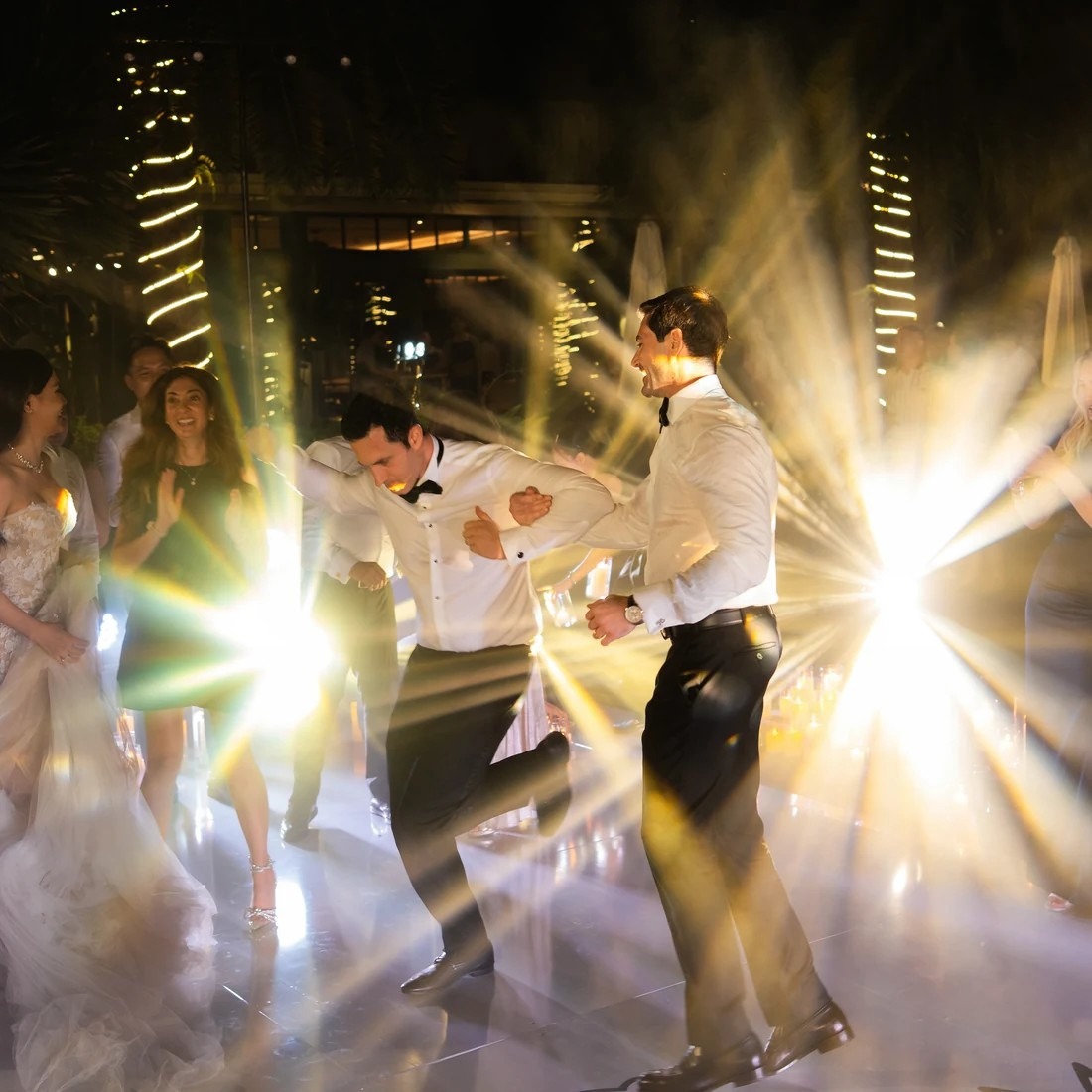
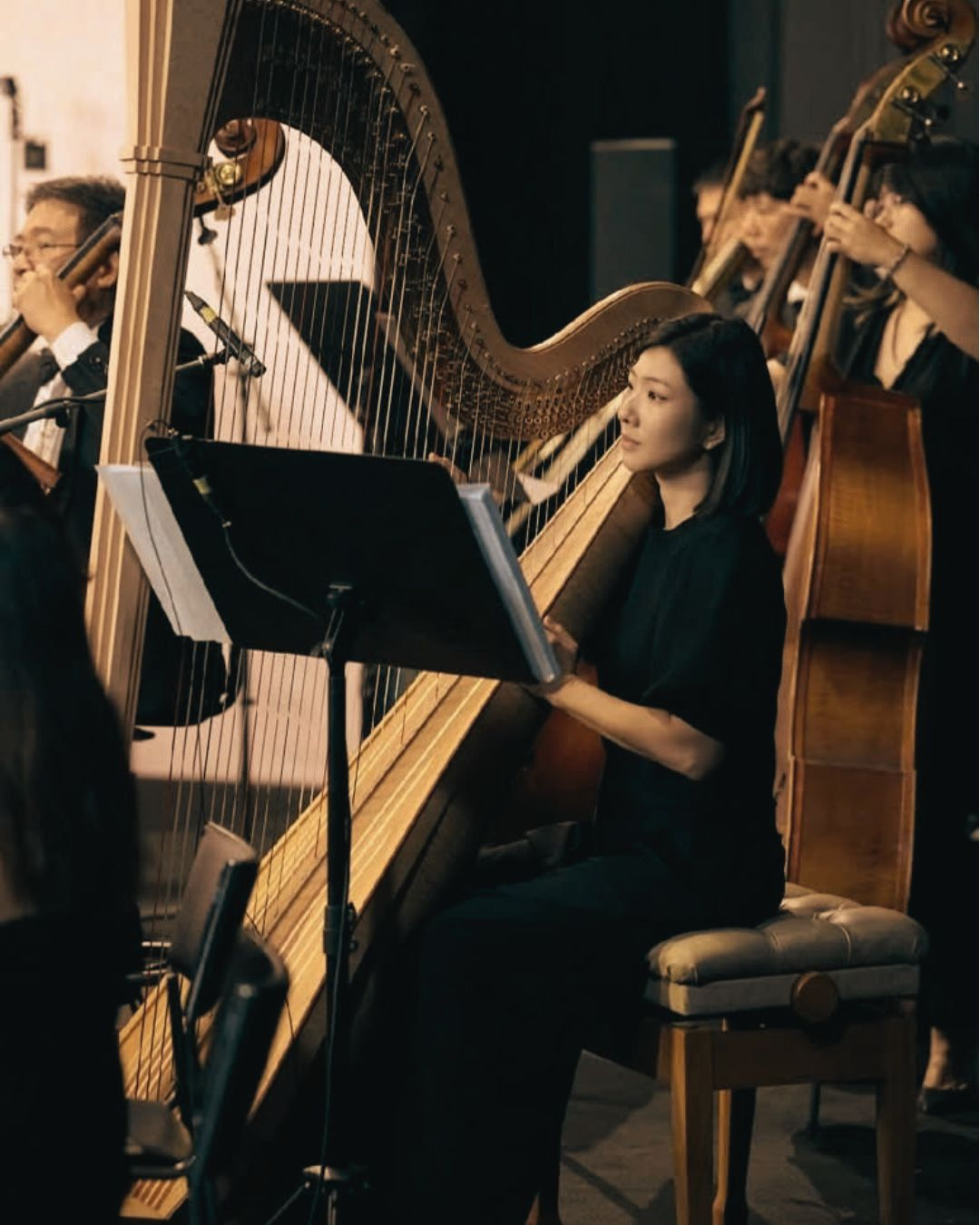
A polished acoustic ensemble, jazz-influenced group or restrained modern band can all work. The best choice depends on guest count, desired atmosphere and whether the evening later develops into a dance-focused celebration.
Can live music remain comfortable during conversation?
Yes. Arrangements, stage placement and active level management can preserve musical detail while leaving space for conversation and service.
How should the music team coordinate with hotel operations?
The planner should connect the music lead with the hotel's event and engineering contacts for access, power, loading, soundcheck, cue and safety requirements.
Written and reviewed by Lux Band Editorial Team
·
“At Park Hyatt Saigon, the best technical setup is the one guests never notice.”
Let the music become part of the experience.
Every detail—from the lineup to the acoustic footprint—can be designed around the atmosphere you want your guests to remember.
Begin a conversation about your wedding music
Send an Enquiry →