1. Park Hyatt Saigon: Timeless Colonial Elegance
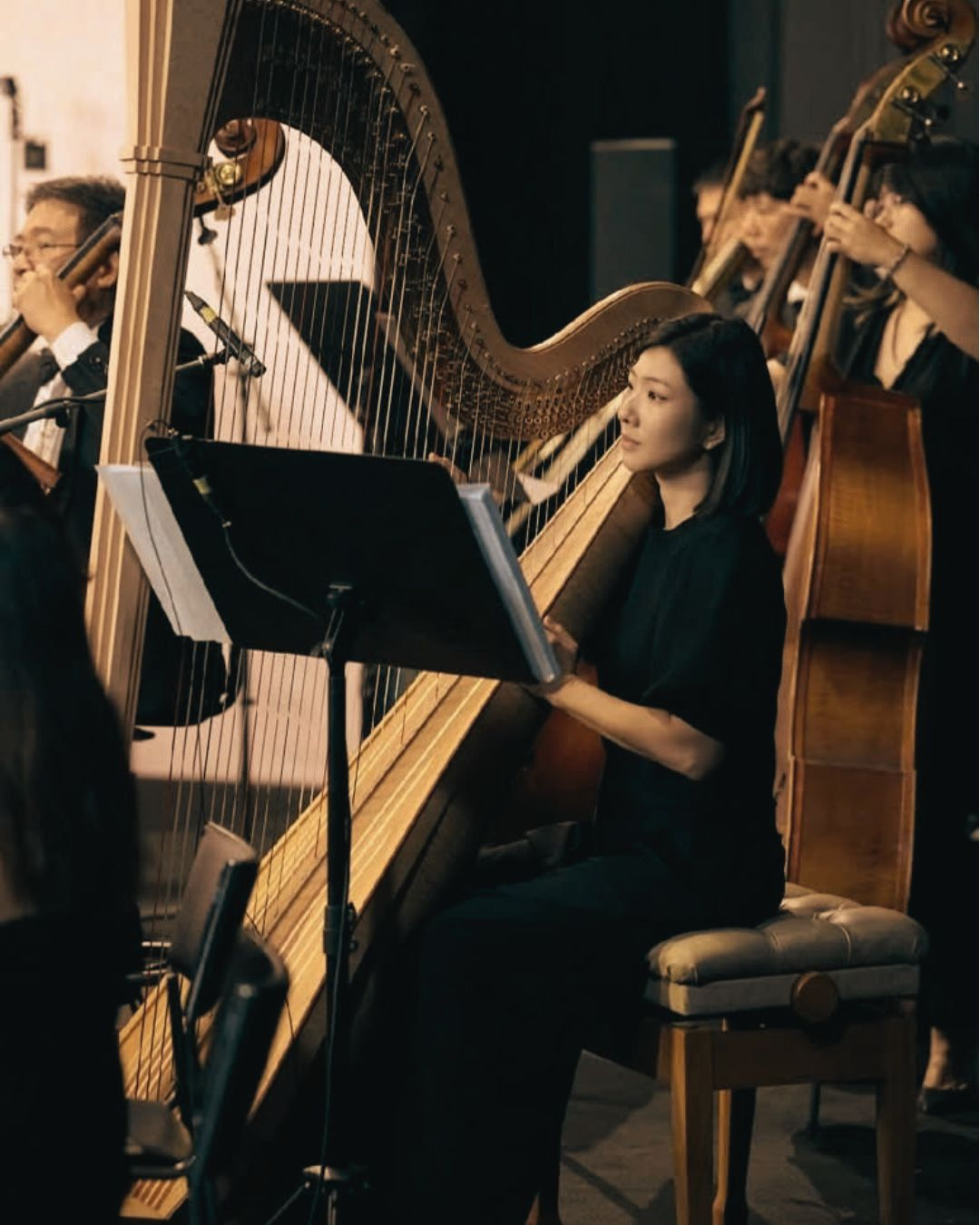
Its refined wood paneling and plush carpets support a warm, intimate acoustic character. Jazz, acoustic pop and chamber-style lineups can sit naturally within the ballroom.
For a complementary planning perspective, explore An Outdoor Riverside Wedding at Mia Saigon: What International Couples Should Know Before Booking Live Music.
Five Venues, Five Distinct Acoustic Environments



2. GEM Center: Architectural Grandeur
Cathedral-height ceilings create a dramatic visual canvas, while the room volume calls for careful delay alignment and even sound distribution.
A useful next step is understanding Inside a GEM Center Wedding: Designing Live Music for a Cathedral-Height Ballroom.


3. White Palace: Avant-Garde Scale
Large event halls can support couture-scale production, while room divisions, guest layout and stage direction may require zoned audio planning to maintain consistent coverage.
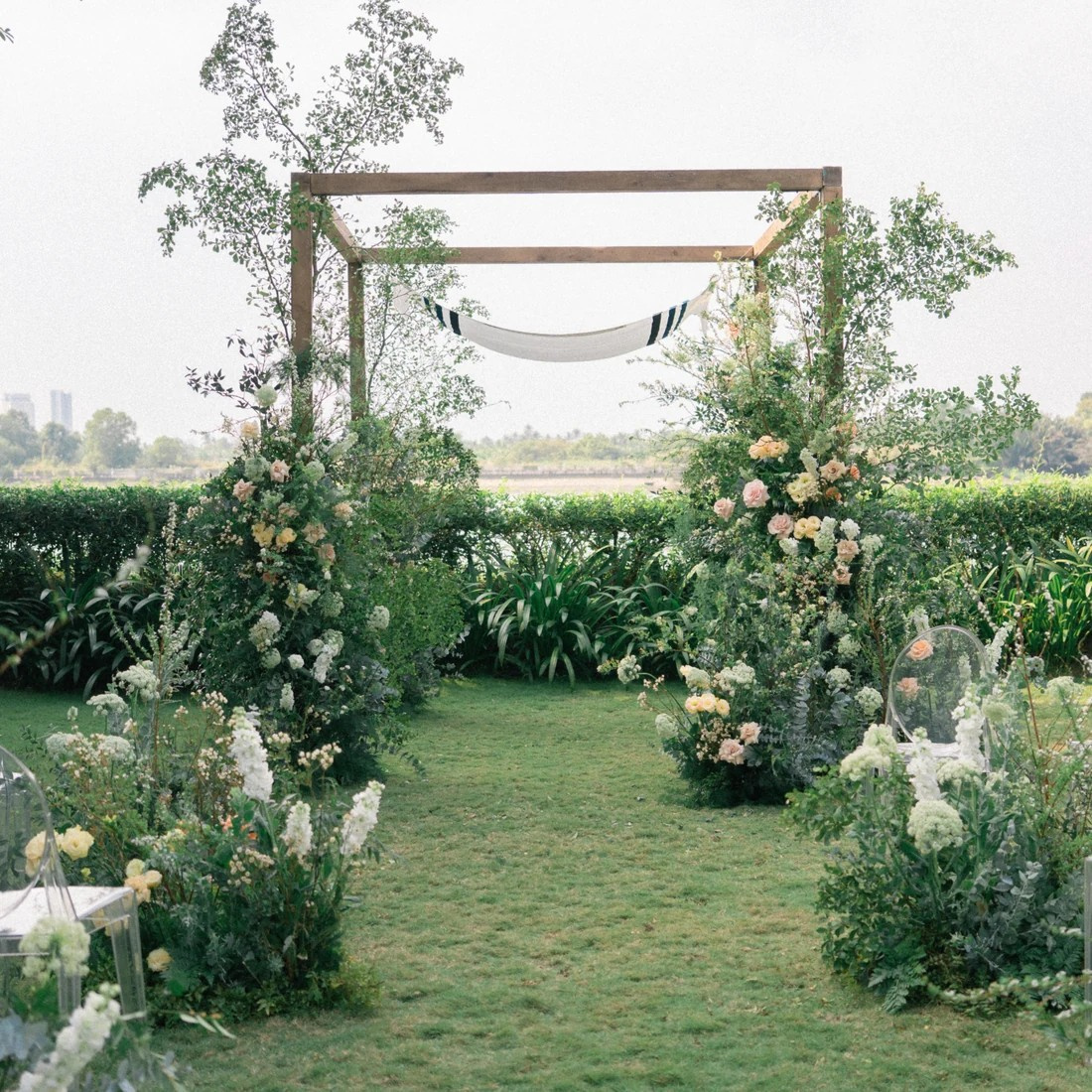
4. Mia Saigon: Private Riverside Luxury
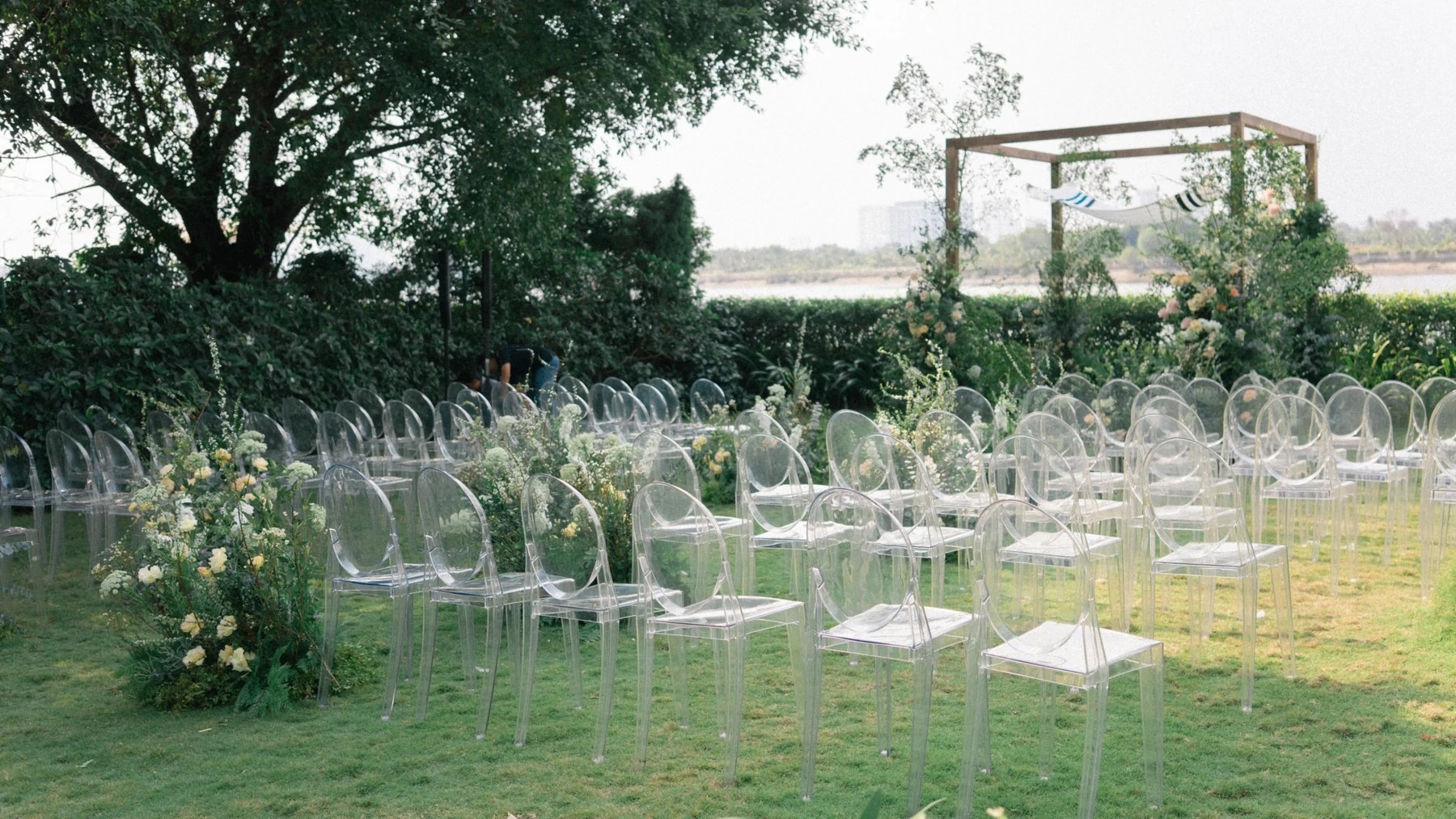
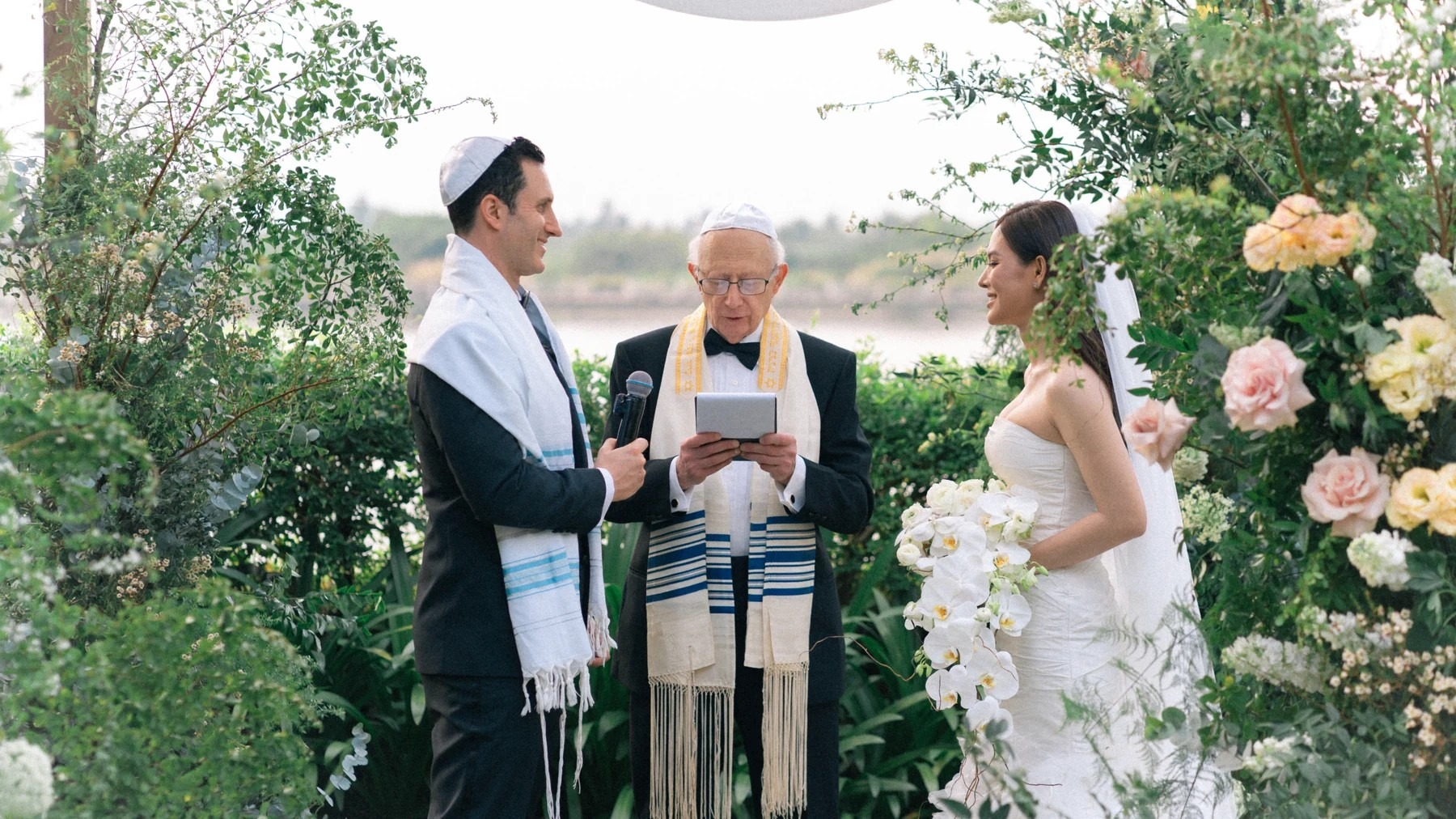
Its riverfront lawn is ideal for sunset ceremonies, although wind and outdoor acoustic loss must be anticipated.
This decision also connects closely with White Palace Weddings: Designing Live Sound for a Grand Ballroom.
5. An Lam Retreats Saigon River: Tropical Intimacy
A secluded garden and riverfront setting create a natural context for strings, acoustic ensembles and visually minimal technical setups.
Begin with the Type of Weekend You Want to Create
Venue selection is not only a comparison of ballrooms. International couples should first decide how they want the wedding weekend to feel. A central hotel can simplify guest movement and formal reception logistics. A riverside boutique property may encourage a slower, more intimate programme. A large event centre can support ambitious scenic production, while a retreat can make the celebration feel removed from the pace of the city.
This distinction affects music from the beginning. Guest travel, ceremony location, dinner layout, local time restrictions and the distance between event phases all shape the lineup and production plan. The right venue is therefore the one whose hospitality, architecture and operational conditions support the experience the couple wants—not simply the one with the most dramatic photographs.
Compare Venues with One Shared Production Brief
Couples will receive clearer answers when every venue is asked the same questions. Confirm the available spaces, guest capacity for the intended layout, rain alternative, loading access, soundcheck window, stage limitations, power coordination and any policies affecting amplified music. Ask whether the ceremony and reception occur in separate areas and how long the transition normally takes.
A shared brief makes differences visible. It also allows the planner and music team to identify hidden costs or compromises before contracts are final. For example, a venue may be ideal for dinner but require a separate plan for an outdoor ceremony; another may offer excellent technical infrastructure but need careful zoning for a divided ballroom. Neither is automatically better—the decision depends on priorities.
Why a Venue Visit Still Matters
Photographs communicate style, but they do not show service routes, ambient noise, stage sightlines or the distance between guests and musicians. A site visit—physical or carefully documented by the local planner—helps translate the couple's visual direction into a workable event plan. The music lead can review where guests gather, where announcements originate and what changes when partitions or decor are installed.
For couples planning from abroad, a recorded walkthrough with a current floor plan can be sufficient for the early stage. Final technical decisions should still be confirmed after the venue, layout and programme are locked. This keeps the musical concept flexible without relying on assumptions from a previous wedding in the same property.
Frequently Asked Questions
Which Ho Chi Minh City venue is best for a high-energy after-party?
Large event halls such as GEM Center or selected White Palace spaces can support substantial production, but the best choice depends on the contracted hall, guest count, venue policies and the couple's desired finish time.
Which venues suit an intimate riverside wedding?
Mia Saigon and An Lam Retreats Saigon River both present riverside settings with different hospitality and layout characteristics. Couples should compare guest access, weather alternatives and the transition between ceremony and reception.
How does the music plan change between a hotel and an event centre?
Hotels often require close integration with established event operations, while large event centres may offer more flexibility for scenic production. The actual lineup and equipment plan still depend on the selected room and floor plan.
Should couples book the venue before speaking with the band?
They can begin venue selection first, but an early music consultation helps identify stage, timing and production questions before the venue contract and layout are fully locked.
Can one music concept work at all five venues?
The creative direction can remain consistent, but the lineup, placement, amplification and weather plan should be adapted to each venue rather than copied unchanged.
Written and reviewed by Lux Band Editorial Team
·
“The right venue is not only seen. It is heard, felt and remembered.”
Let the music become part of the experience.
Every detail—from the lineup to the acoustic footprint—can be designed around the atmosphere you want your guests to remember.
Begin a conversation about your wedding music
Send an Enquiry →