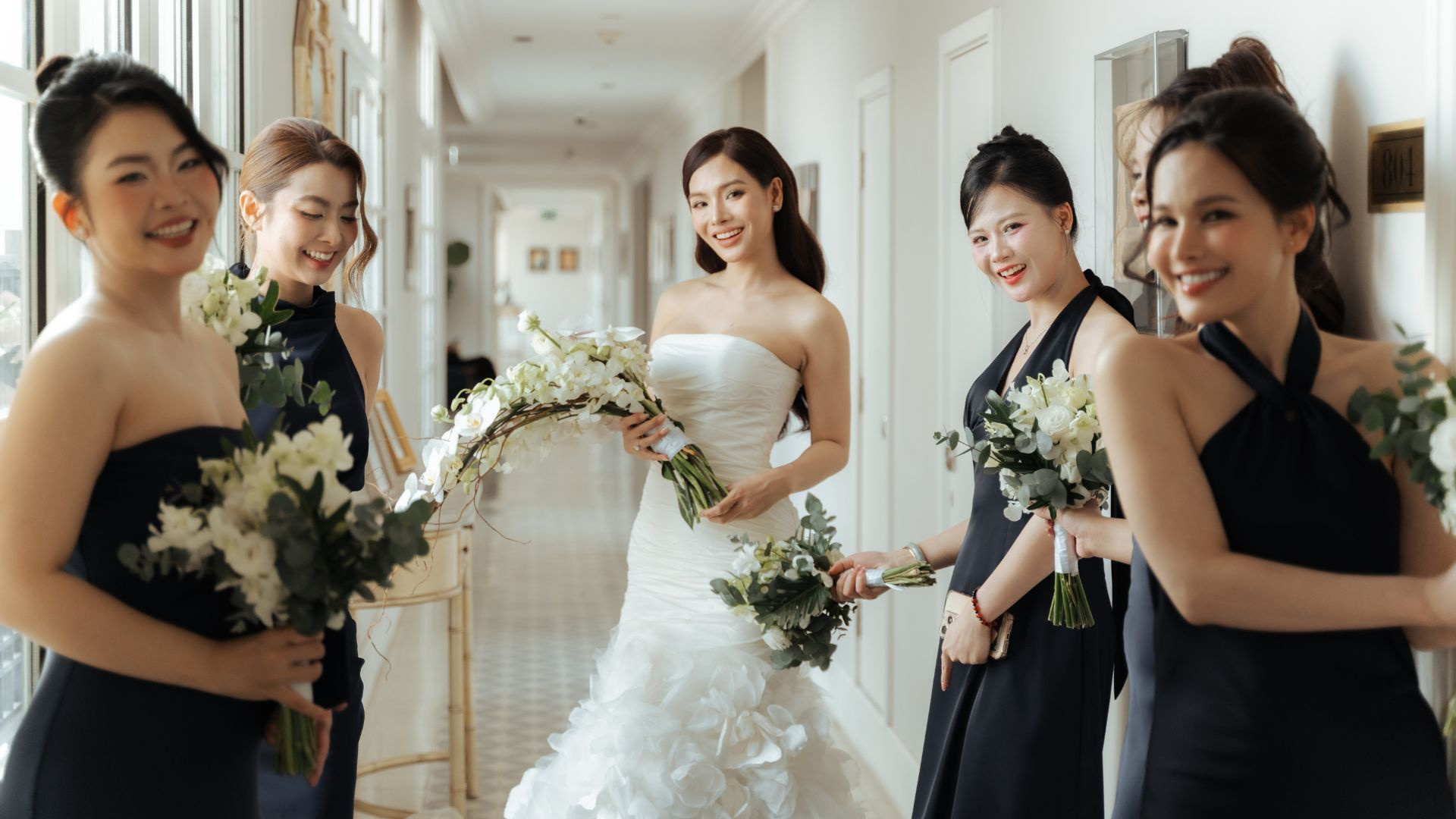
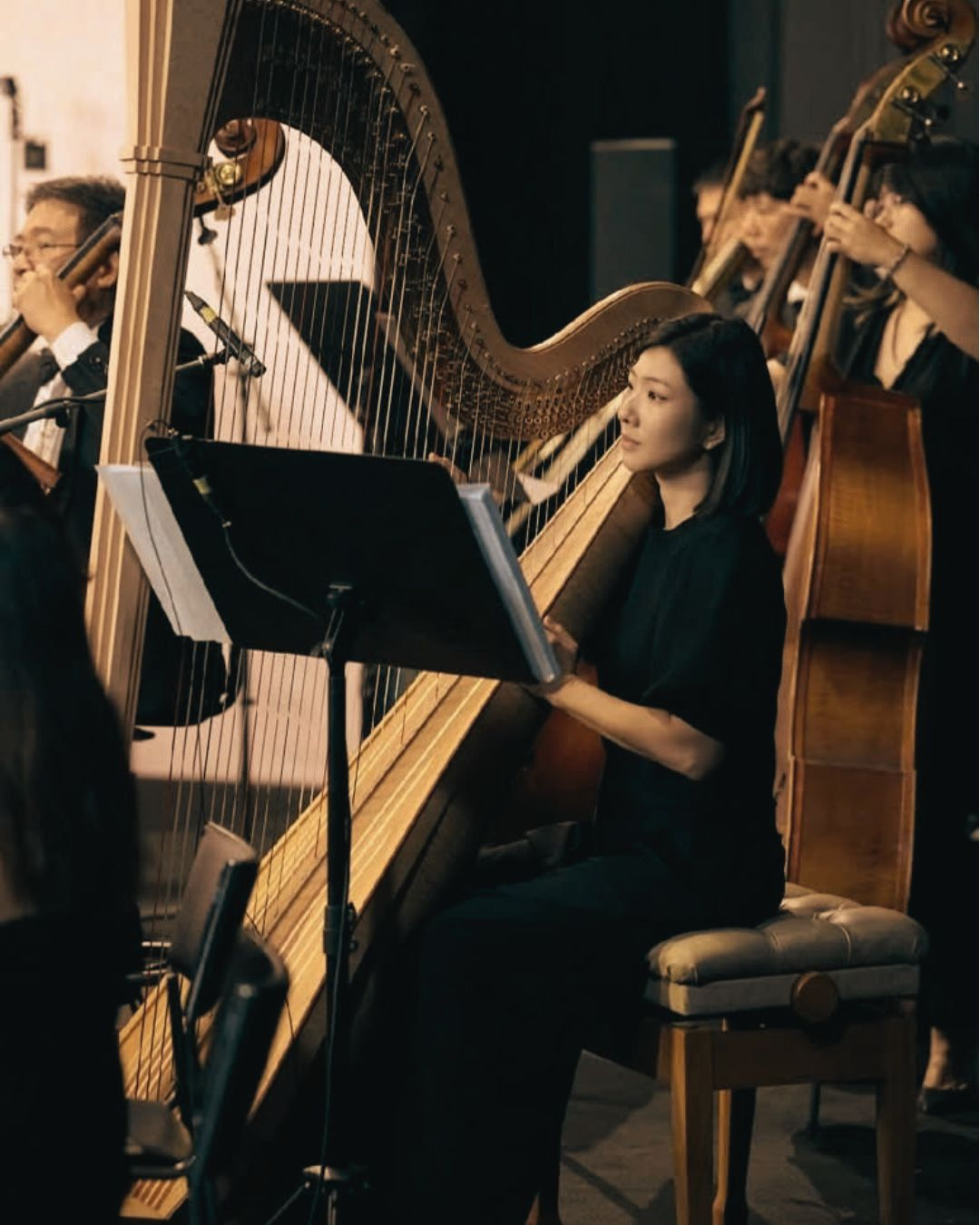
Before the reception begins, the moment a bride steps into the ceremony space is often the most emotional of the day. In that instant, music is not background — it helps decide how the entire space feels.
Ceremony music establishes the emotional register before a word is spoken. The right processional, signing and recessional pieces should suit the venue, entrance timing and meaning of the moment, while live musicians follow visual cues so each transition feels natural rather than mechanically timed.
Why ceremony music matters more than couples expect
Many couples focus first on reception music, although the ceremony sets the emotional tone. It is the moment guests fall quiet together, turn in the same direction and enter the couple’s story alongside them.
Why live music suits the ceremony
A recorded track runs to a fixed length. A processional may move slowly, a family moment may last longer, or an officiant may pause. Live musicians can adjust tempo and extend a phrase naturally so the music meets the moment.
Choosing the right pieces
There is no obligation to choose only traditional classical music. A personally meaningful song can be rearranged in an acoustic register that suits the ceremony’s formality. Discuss it early enough to confirm key, instrumentation and timing.
For the wider planning context, explore Can a Wedding Band Learn Your First-Dance Song? What Makes a Song Work Live.
Think in contrasts: a processional that builds gently, vows held in near-silence and a recessional that lifts the room. These shifts make a ceremony feel intentional.
A useful next step is understanding String Ensembles for a Semi-Classical Wedding Ceremony in Vietnam.
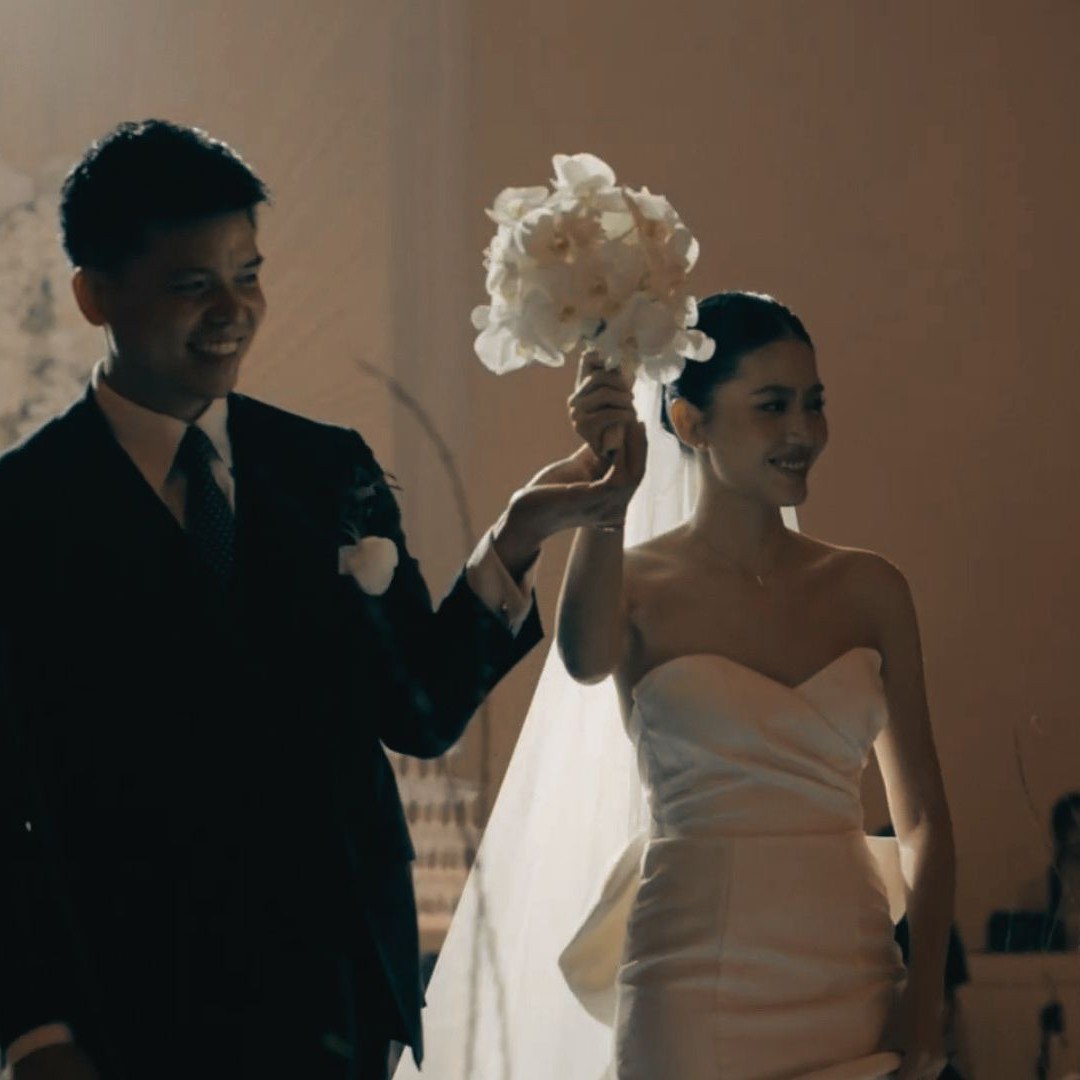
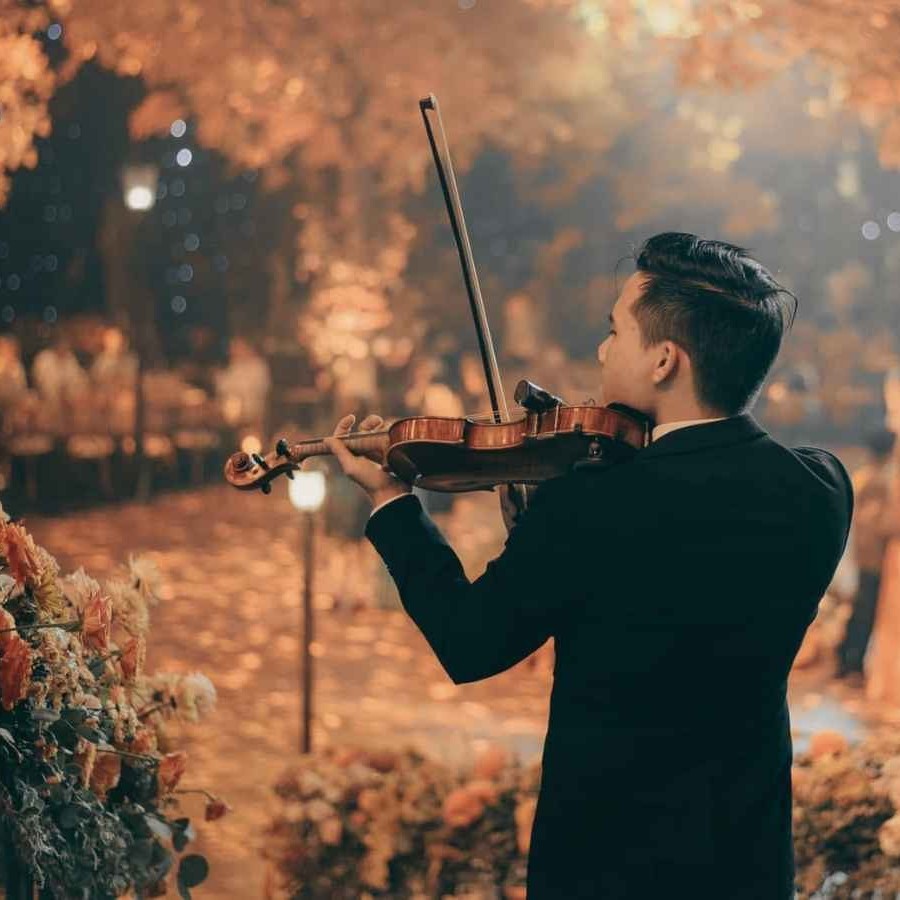
Four musical moments in a ceremony
Guest arrival
Gentle, unobtrusive music creates anticipation before the ceremony begins.
Processional
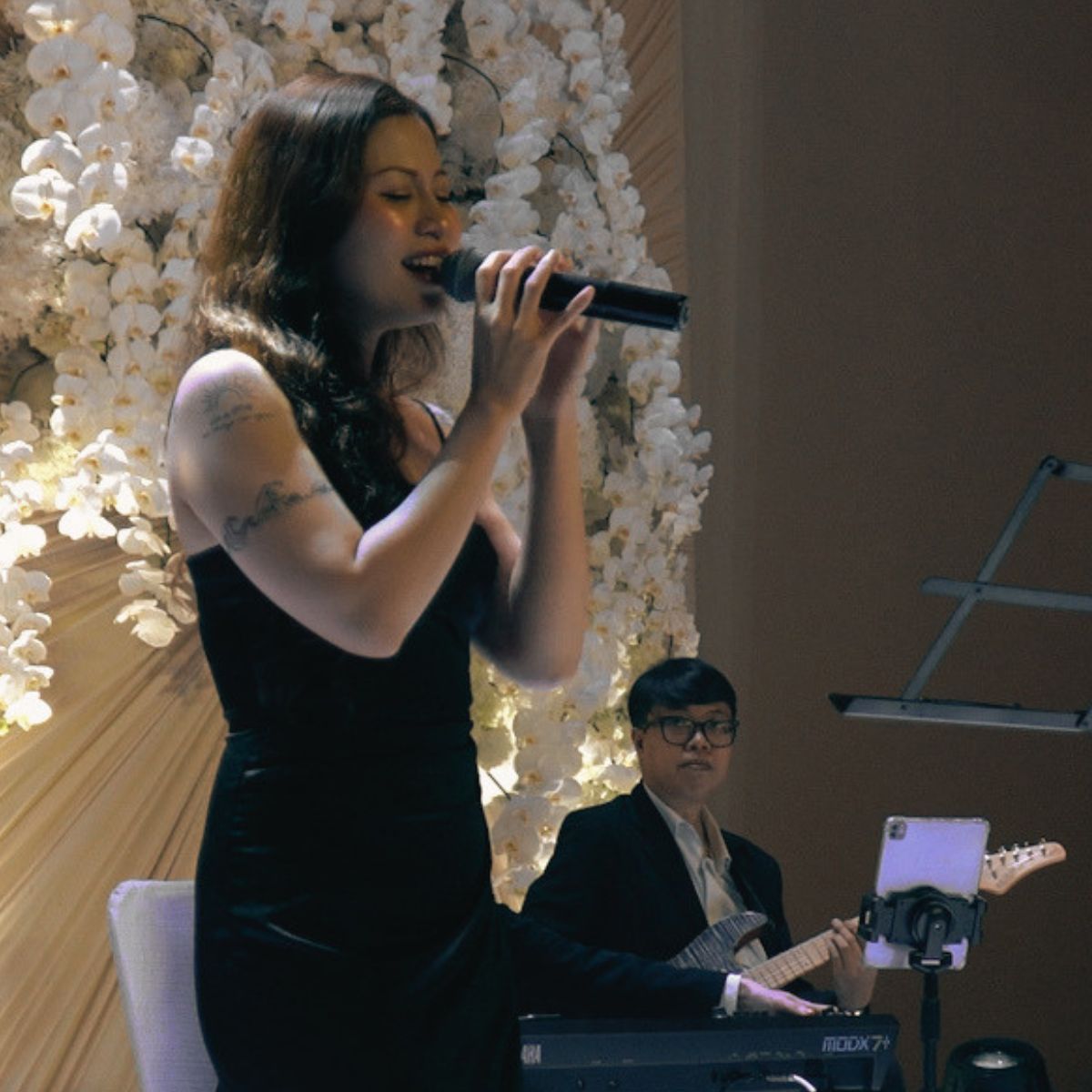
The emotional high point, often carried by a solo instrument or vocalist performing a meaningful piece.
Vows or ring exchange
Restrained music — or silence — protects the intimacy of the words.
Recessional
A brighter piece provides a natural bridge into the reception.
Ceremonies blending different traditions
Western and Vietnamese customs, or religious and civil elements, can create a longer ceremony with distinct segments. Walk the band through the full order in advance so the music is paced around each custom rather than treated as one continuous piece.
For lineup options, compare acoustic and modern live-band formats. The broader Ho Chi Minh City guide explains coordination for international weddings, while the cost guide covers preparation and production scope.
This decision also connects closely with Luxury Wedding Bands in Ho Chi Minh City: A Guide.
Frequently Asked Questions
Which instruments work well for ceremony music?
Violin, piano, acoustic guitar and cello are often favoured because they carry a refined tone without overpowering the ceremony.
Can we request a meaningful song?
Yes. Allow time for an arrangement suited to the performers, space and ceremony pacing.
Do ceremony and reception need the same band?
Not necessarily. One team can, however, simplify coordination and transitions when the scope is planned clearly.
Should the ceremony music be rehearsed?
Yes. Confirm cues, entrances and technical details with the planner, venue and musicians before the wedding day. Exact rehearsal and soundcheck arrangements should be agreed in the contract.
Written and reviewed by Lux Band Editorial Team
Tell us about your celebration
Share your venue, timeline, guest profile and the atmosphere you hope to create. We will begin with the moments that matter, then shape the musical concept around them.
Start a conversation →