Cinematic Intimacy: The Physical Resonance of Acoustic Strings
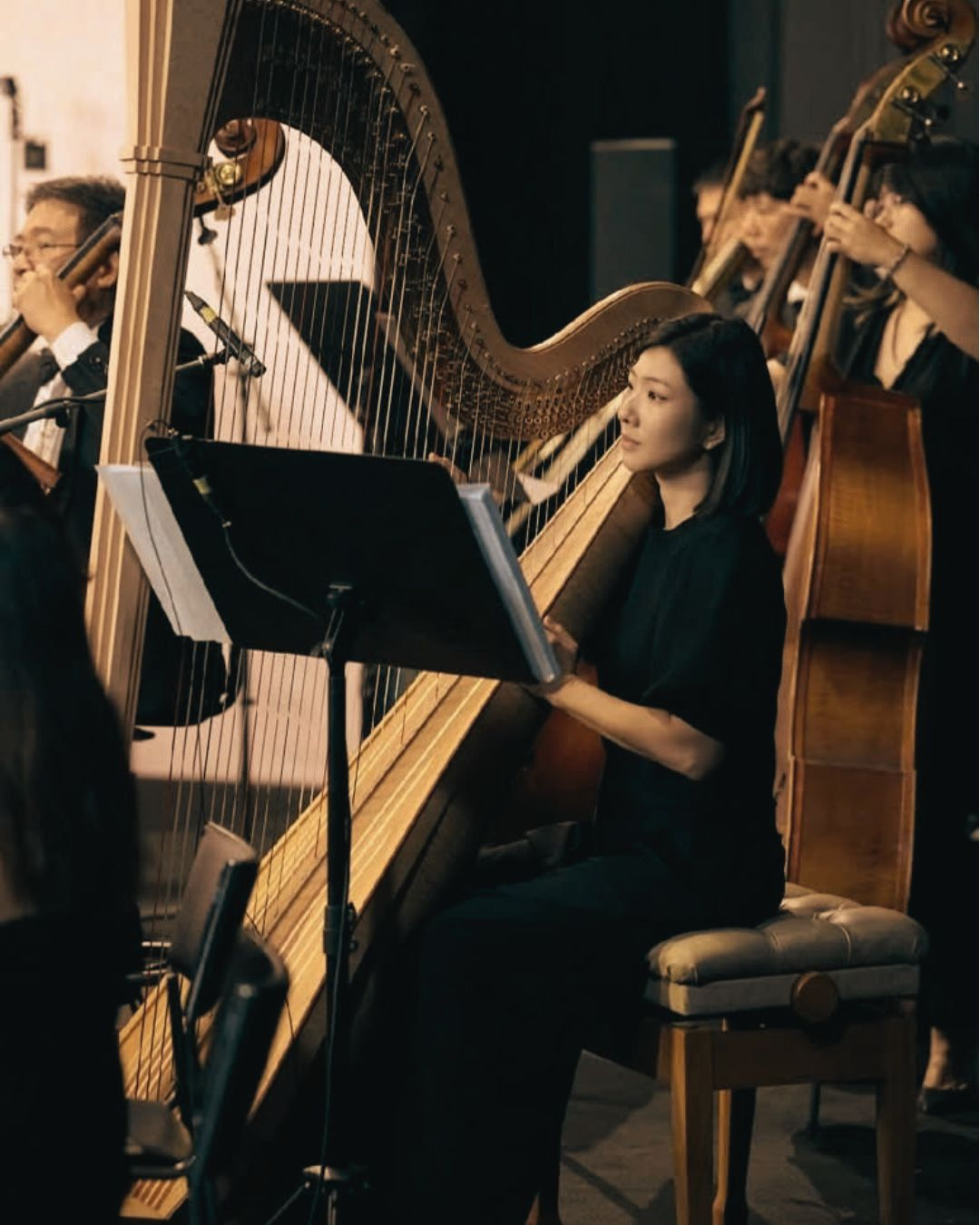
Live strings create physical resonance that recorded music cannot fully reproduce. A bowed violin or deep cello chord moves through the room with a sense of presence and fragility.
In large or open spaces, instrument pickups and minimalist reinforcement preserve the natural wood tone while ensuring that delicate passages remain clear.
For the wider planning context, explore Ceremony Music: Why the First Song Sets the Tone.
Tailoring the Repertoire: From Classical Roots to Contemporary Anthems
A string ensemble does not limit the ceremony to historical repertoire. Contemporary pop, film scores and classic rock can be rewritten for quartet, trio or violin-and-harp combinations.
A familiar song transformed into a restrained acoustic arrangement can feel both deeply personal and entirely at home in a five-star setting.
Choose the Ensemble by Musical Role
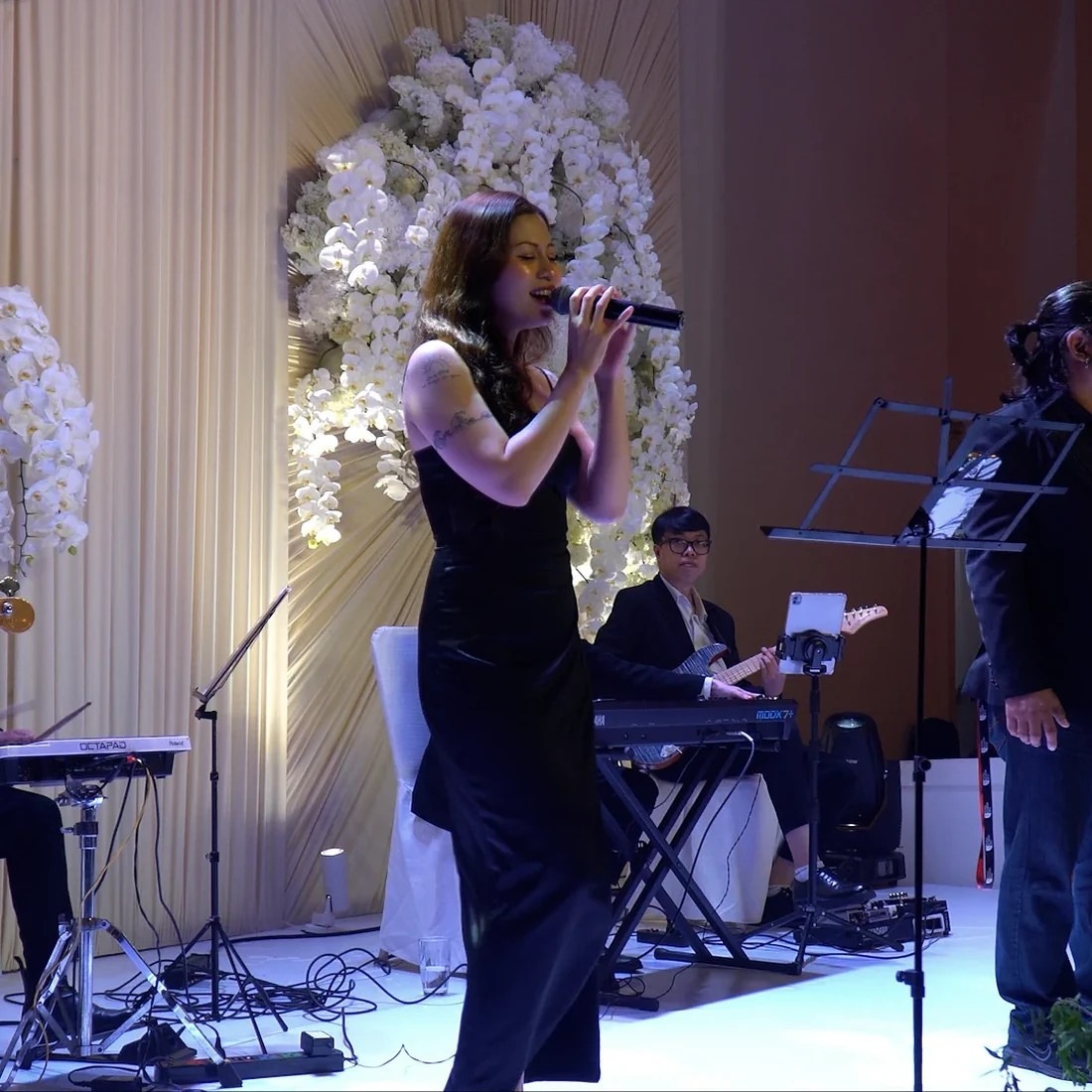
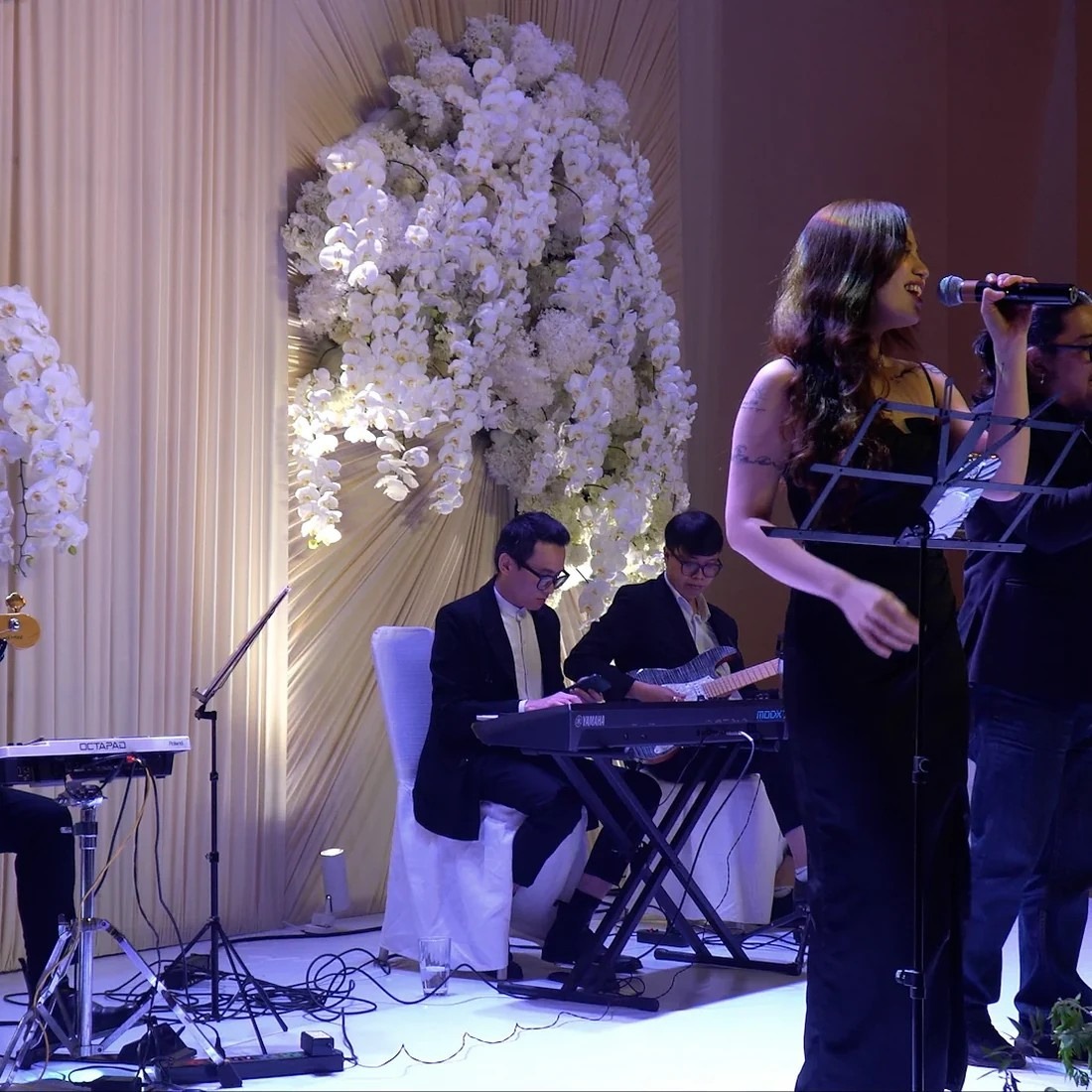
A violin and cello duo creates a different emotional scale from a string quartet or an ensemble with harp. Duos feel direct and intimate; trios add harmonic depth without occupying a large footprint; quartets can sustain fuller arrangements and stronger ceremonial movement. Harp contributes a distinctive visual and tonal identity but requires appropriate access, stage stability and protection from weather.
The best lineup depends on the ceremony structure, venue and repertoire rather than a hierarchy in which more musicians are automatically better. Couples should identify the moments that need live music—the arrival, processional, signing, recessional or cocktail transition—and let the arrangement requirements guide the ensemble size.
A useful next step is understanding Designing a Custom Music Lineup for a Destination Wedding in Vietnam.
Map Music to the Ceremony Cues
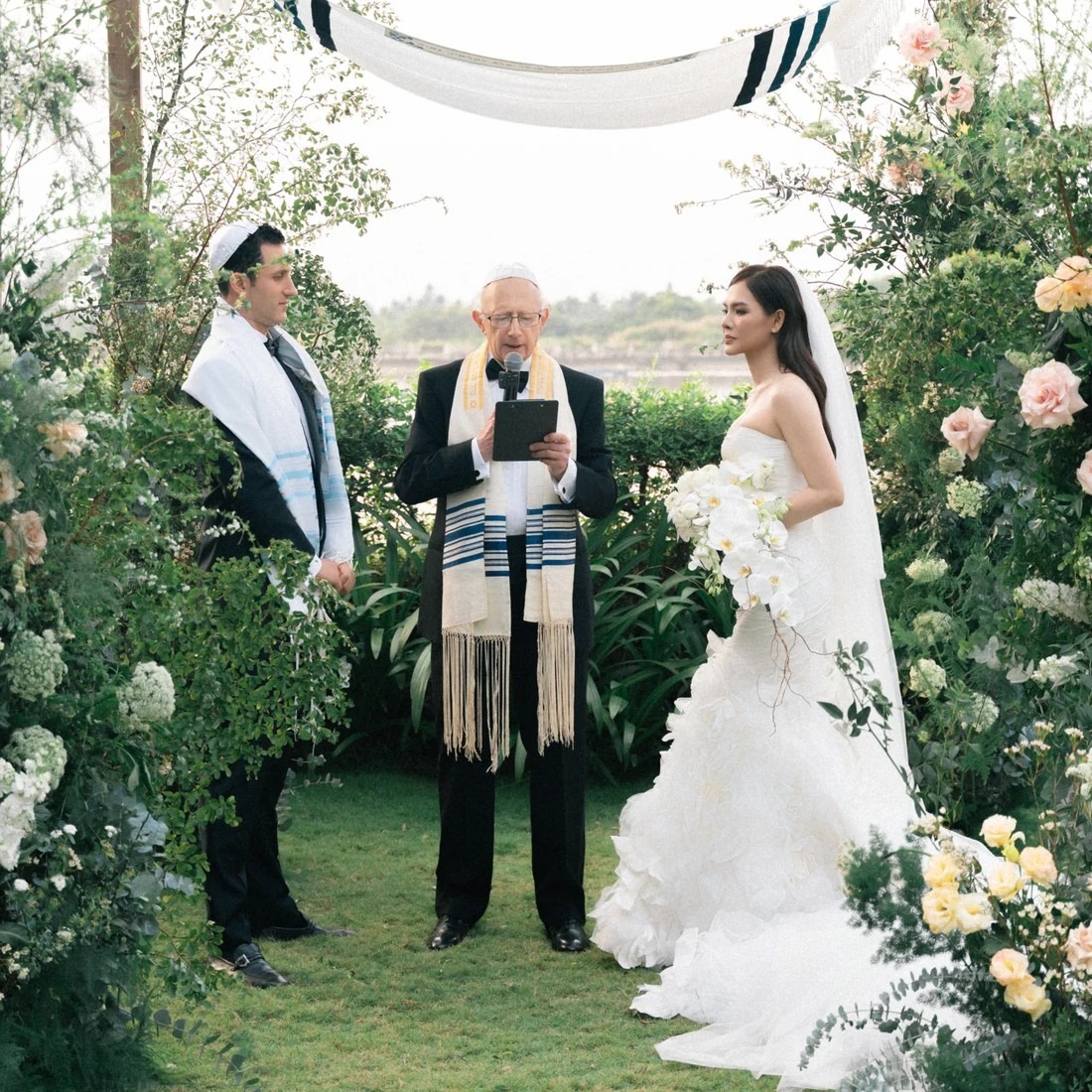
Ceremony music must be flexible enough to follow real movement. A processional may take longer than rehearsal, a door may open late or family members may walk at different speeds. Arrangements should contain musical points that can be repeated, extended or resolved cleanly without making the adjustment obvious to guests.
A cue sheet names who signals each entrance and what the musicians should do if timing changes. The planner, officiant and ensemble leader should agree on visual or communication cues. This preparation is more important than forcing every moment to match the length of a studio recording.
Plan Amplification with Restraint
Small indoor ceremonies may allow strings to project naturally, while outdoor spaces, large guest counts or rooms with significant ambient noise may require discreet reinforcement. Amplification should preserve the character of the instruments rather than make them sound like background playback. Suitable microphones or pickups and low-profile speaker placement can provide clarity at a comfortable level.
Outdoor plans also need shade, stable flooring, protected power where amplification is used and a clear rain alternative. These practical details protect the instruments and performers while keeping the visual composition of the ceremony intact.
This decision also connects closely with Luxury Wedding Bands in Ho Chi Minh City: A Guide.
Rehearse the Movement, Not Only the Music
A musical rehearsal alone cannot confirm ceremony timing. The ensemble needs approximate walking distances, the order and number of processional groups, the position from which cues will be visible and the plan for late doors or pauses. A planner-led walkthrough can provide this information even when the couple does not hold a full rehearsal at the venue.
The musicians can then prepare repeatable passages and clear endings for each cue. This flexibility allows the live performance to follow people rather than forcing people to match a recording. It is one of the reasons strings can make a ceremony feel both elevated and deeply human. The same plan should cover signing moments, unexpected pauses and the recessional so the ensemble knows when to hold atmosphere and when to lead guests confidently into the next part of the day. That continuity matters.
Frequently Asked Questions
Is a harp suitable for an outdoor ceremony in Vietnam?
It can be, when access, weather protection, stable flooring and placement are appropriate. A rain and wind plan should be agreed before confirming the instrument.
Can a string ensemble play contemporary songs?
Yes. Many pop, film and personal songs can be arranged for strings, provided the source material, instrumentation and rehearsal time are suitable.
How many string musicians do we need?
Choose by ceremony scale and repertoire. A duo can feel intimate, a trio adds harmonic depth and a quartet supports fuller arrangements. More players are not automatically necessary.
Do strings need amplification indoors?
Not always. The decision depends on room size, guest count, ambient noise and the desired coverage. Any reinforcement should remain natural and restrained.
Can ceremony musicians join the dinner band later?
Sometimes. This depends on the musicians, arrangements and technical plan. If continuity is important, it should be designed when the full wedding lineup is confirmed.
Written and reviewed by Lux Band Editorial Team
·
“A ceremony becomes cinematic when the music feels physically present in the room.”
Let the music become part of the experience.
Every detail—from the lineup to the acoustic footprint—can be designed around the atmosphere you want your guests to remember.
Begin a conversation about your wedding music
Send an Enquiry →