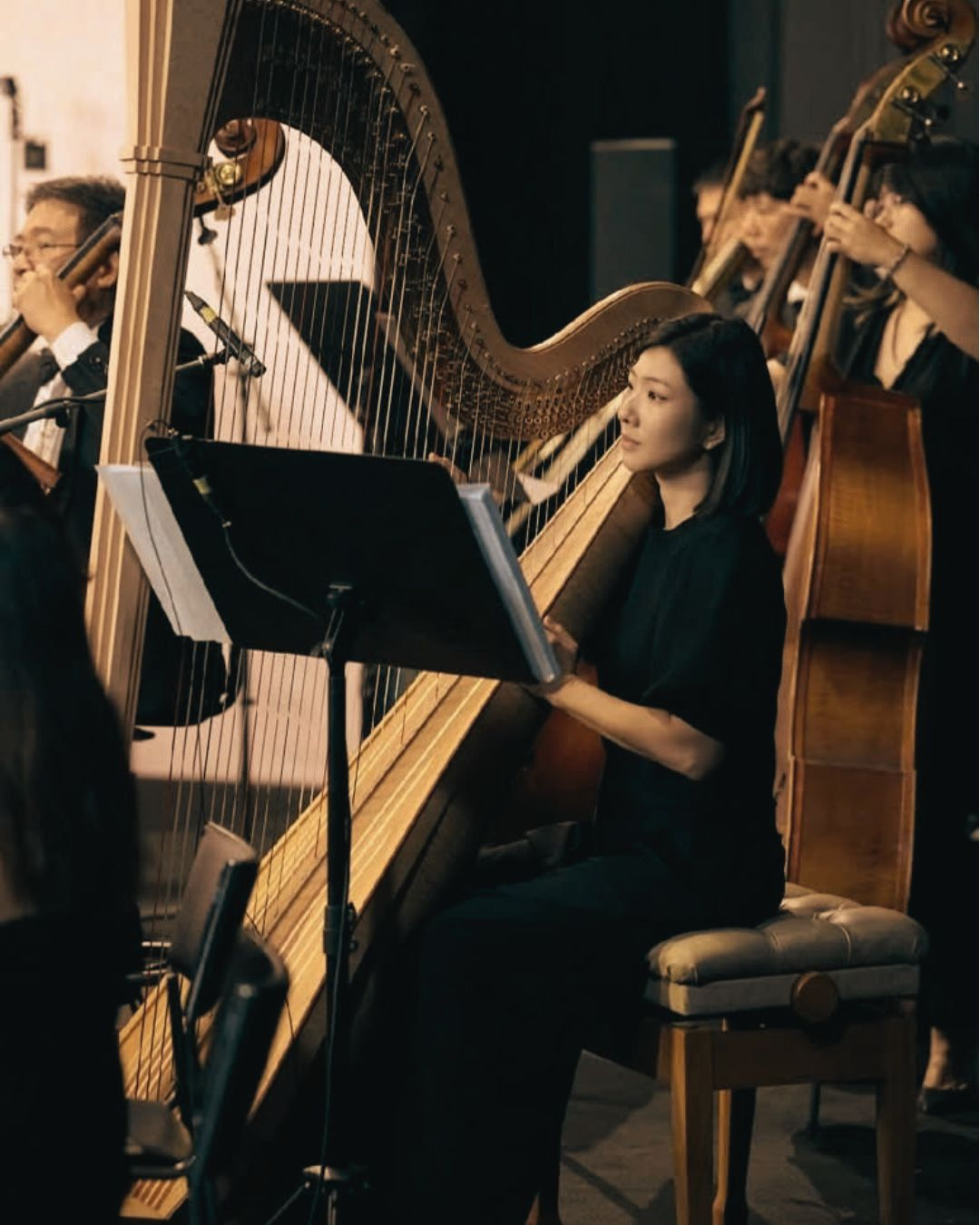
Act I — The Ceremony
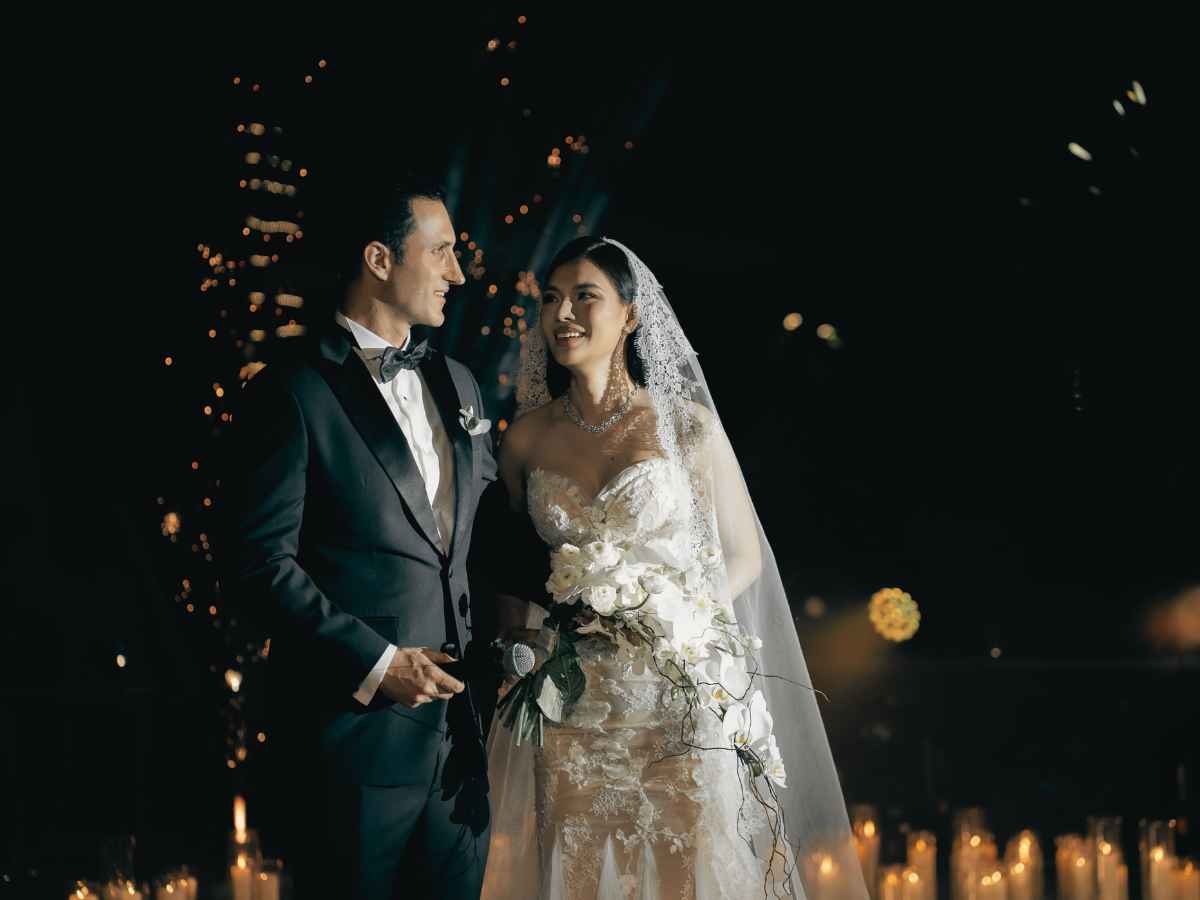
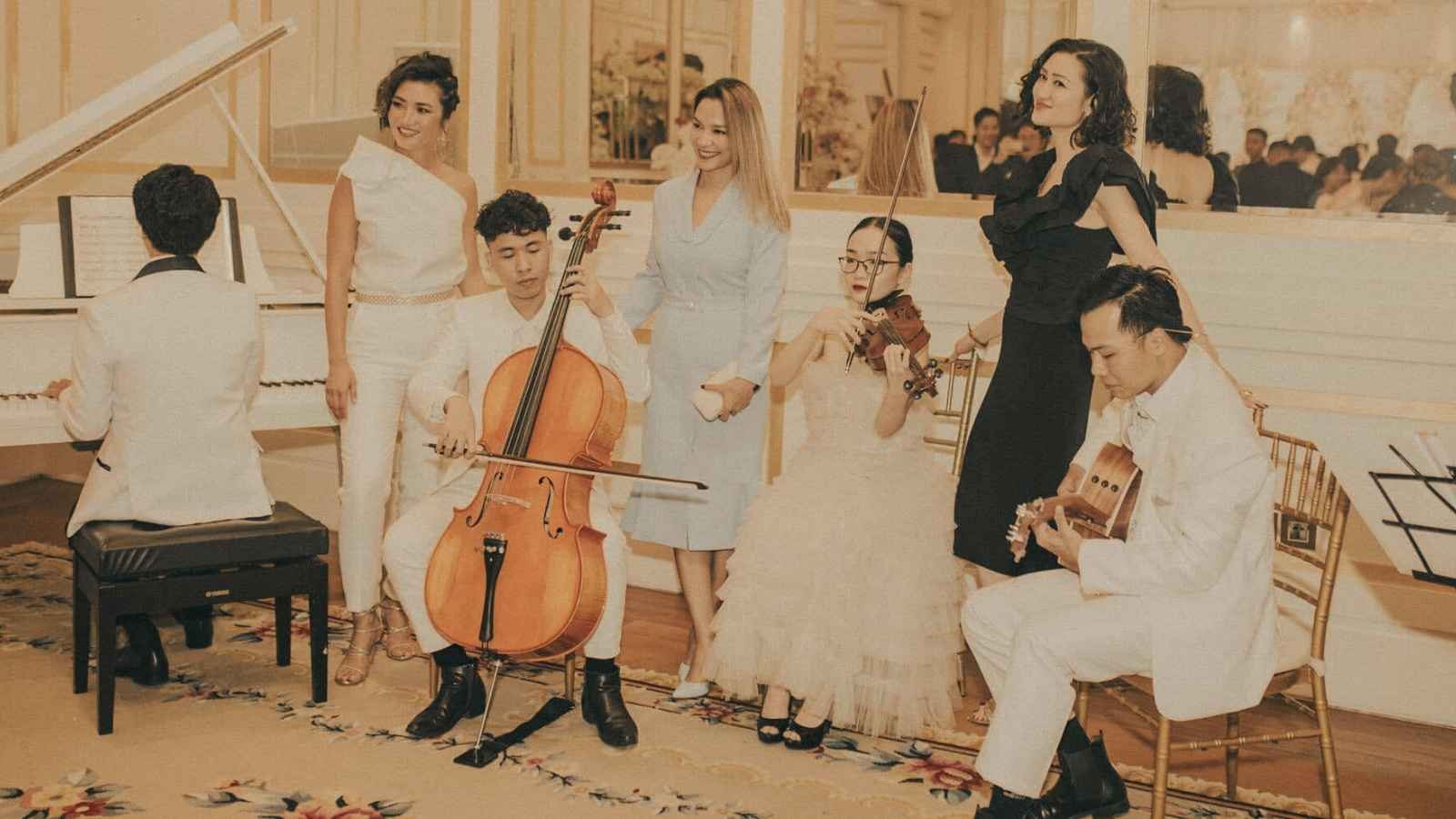
A string quartet, piano-and-cello duo or harp-led ensemble can create sacred, restrained precision for the vows and processional.
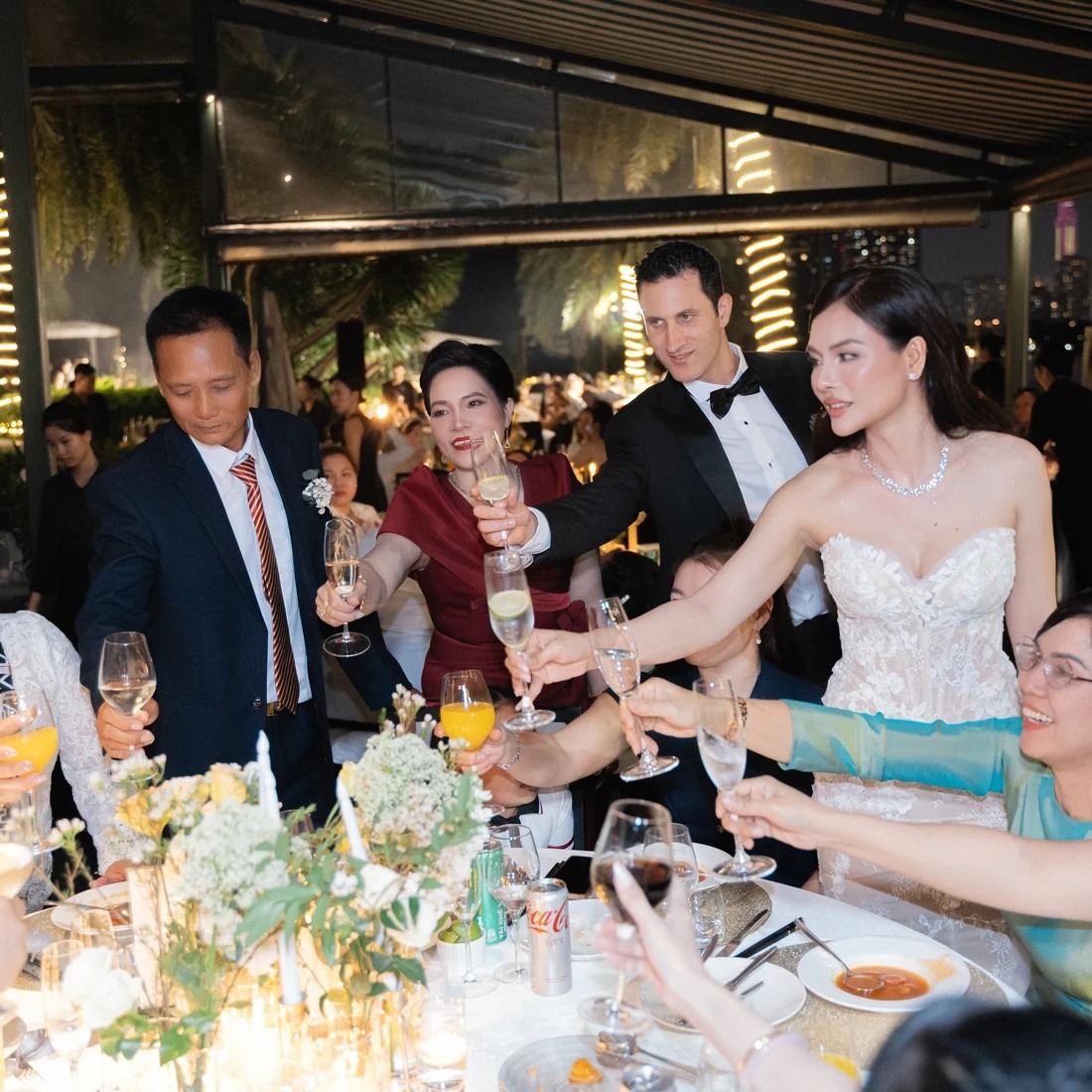
Act II — The Dinner
A jazz quartet or acoustic pop collective introduces a sophisticated ambient layer that supports conversation without disappearing from the room.
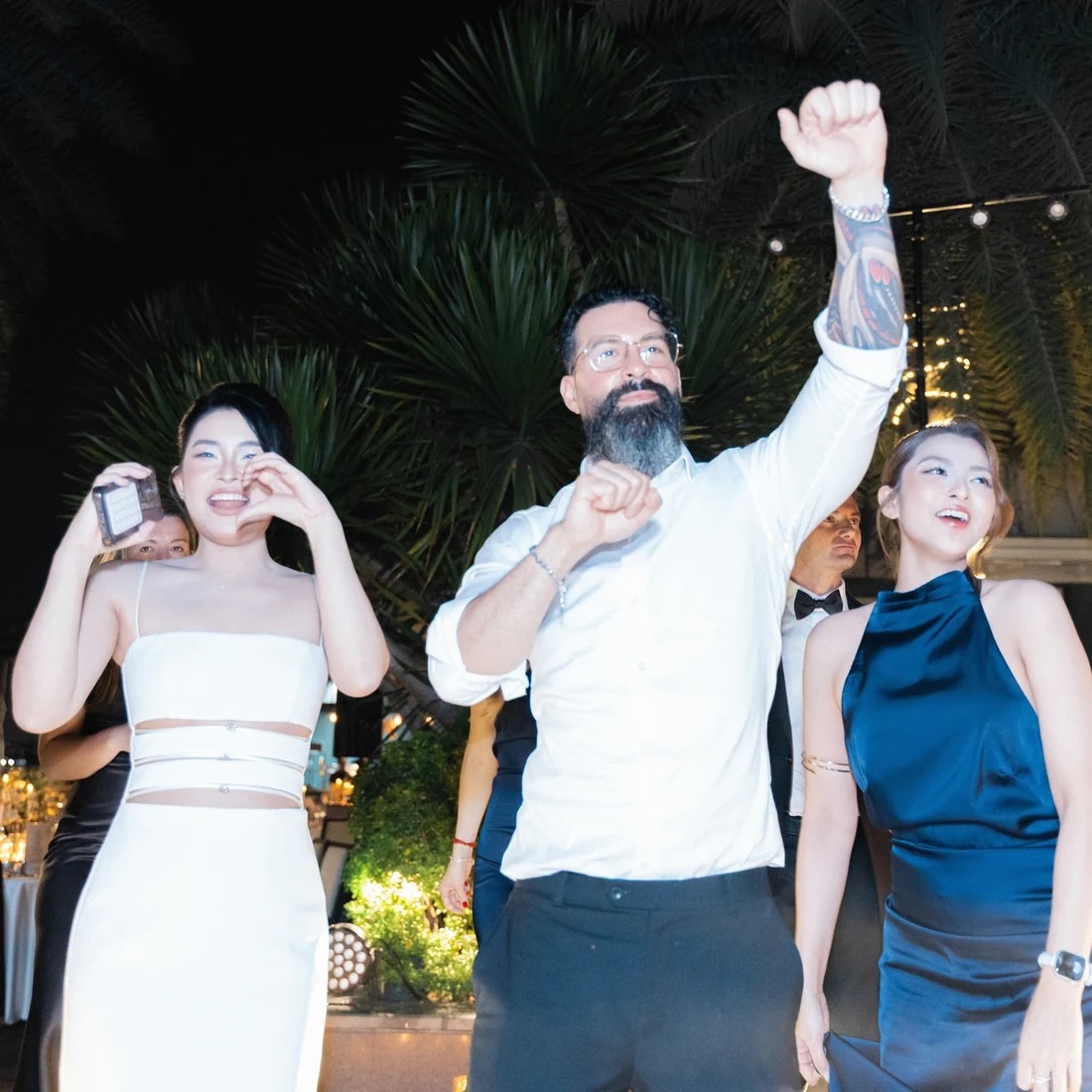
Act III — The Celebration
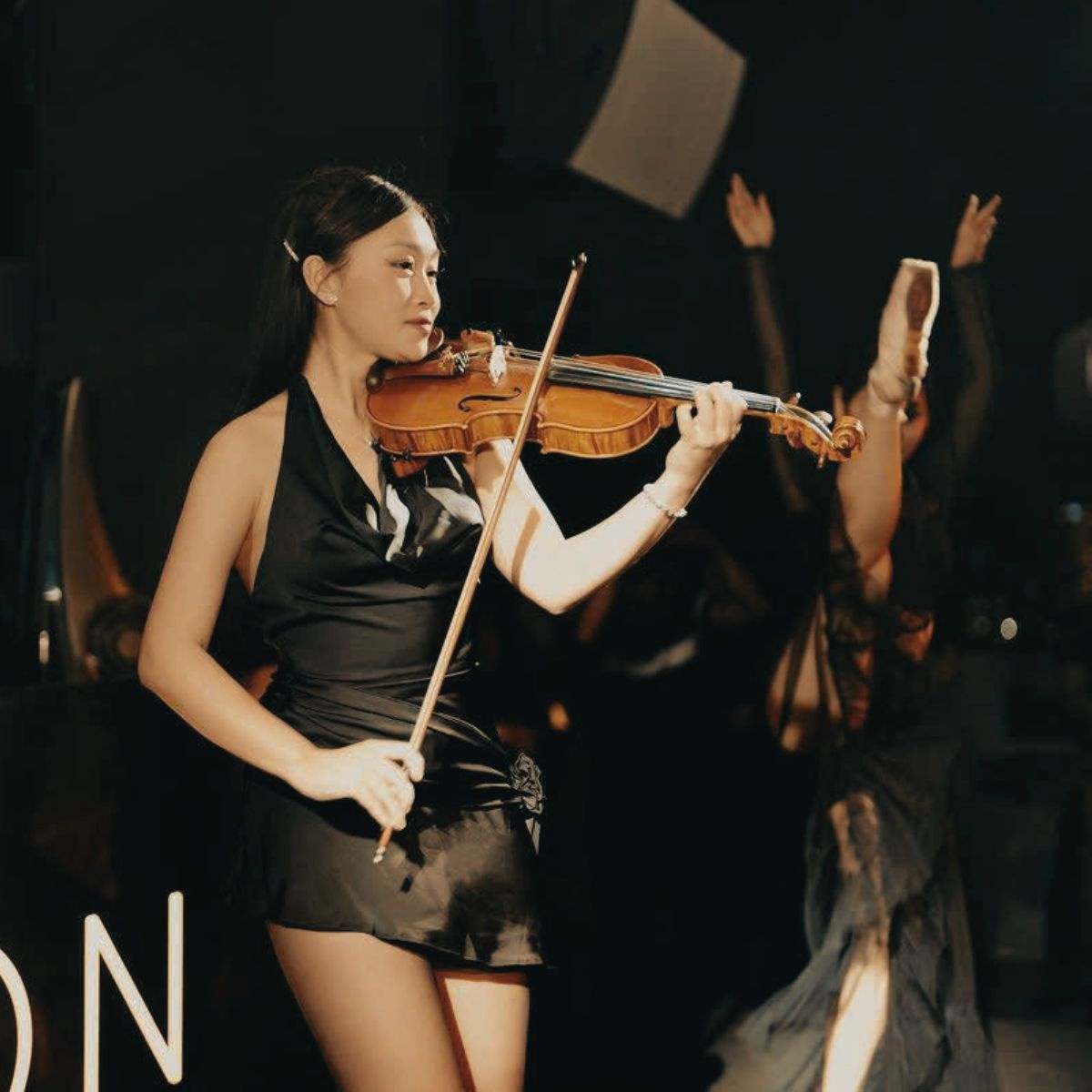
Live drums, electric guitar, bass and international vocalists transform the lineup into a modern full band designed for the dance floor.
Eliminating Technical Lag: One Integrated Collective
Booking separate musicians from unrelated suppliers often creates repeated soundchecks, changing input lists and pauses between acts.
Lux Band operates as one integrated musical collective. Instruments, vocalists and technical systems are prepared on a single grid so transitions can happen without disrupting the event timeline.
Start with Functions, Then Choose Instruments
Couples often begin with a list of favourite instruments, but a custom lineup works better when every musician has a role. The ceremony may need lyrical movement and flexible timing; cocktails may need warmth without a focal performance; dinner may require vocals with space for conversation; the celebration may need rhythm and interaction. Once those functions are clear, instrumentation becomes a design decision rather than a collection of preferences.
This approach also prevents unnecessary duplication. A musician may contribute across several phases, while another appears only for a signature moment. The final headcount should reflect the programme, venue and budget, not an assumption that the largest ensemble is automatically the most luxurious.
Design Transitions as Carefully as the Sets
A wedding can feature excellent individual performances and still feel fragmented if transitions are ignored. Moving from strings to dinner vocals or from an acoustic group to a modern band involves stage positions, inputs, monitoring and cues. Those changes should be planned in the same technical system wherever possible and rehearsed as part of the event flow.
For the wider planning context, explore Acoustic Band or Modern Live Band for Your Wedding?.
Some transitions can happen musically, with one instrument continuing while the next lineup enters. Others are better covered by an MC moment, toast or visual change. The couple should understand where pauses are intentional and where continuity is essential.
Balance Personal Songs with a Coherent Evening
A custom programme should include music that belongs unmistakably to the couple, but not every meaningful song has to be performed live. Some selections suit an entrance, some work as instrumental arrangements and others may be stronger in their original recording. The music director can help place each reference where it carries the greatest emotional weight.
Instead of a long list, begin with a few anchors: the sound of the ceremony, the emotional temperature of dinner and the type of celebration guests should remember. Add must-play and do-not-play choices, cultural requirements and any songs connected to family. This gives the creative team enough direction to build an evening rather than simply assemble tracks.
A useful next step is understanding String Ensembles for a Semi-Classical Wedding Ceremony in Vietnam.
Plan the Lineup Within Real Venue Conditions
Stage size, access, power, sound limits and weather can all change what is practical. A harp may be beautiful but difficult to move into an exposed ceremony space; a full drum kit may be unnecessary for an intimate dinner; a larger vocal team may need additional monitoring and rehearsal. These are design constraints, not reasons to abandon the concept.
The final proposal should show the lineup by phase, transition requirements, key production assumptions and any optional enhancements. That clarity allows the planner to coordinate the rest of the wedding around a musical plan that is both personal and executable.
Frequently Asked Questions
Can we choose the exact number of musicians and instruments?
Yes, within availability, venue conditions and the requirements of the arrangements. The final recommendation should explain what each musician contributes during each phase.
Can one musician perform in several parts of the wedding?
Often yes. A violinist, saxophonist or vocalist may appear in different configurations when the repertoire and technical plan support a smooth transition.
How are special songs arranged?
The couple provides reliable references and creative direction. The music director then confirms whether the song suits the chosen lineup, what adaptation is needed and how much rehearsal time is required.
Does a custom lineup always cost more than a fixed band?
Not necessarily. Custom design can prioritize the musicians who create the greatest value in each phase. Cost depends on headcount, rehearsal, arrangements, logistics and production scope.
When should the custom lineup be finalized?
It should be locked early enough to confirm musicians, prepare arrangements, coordinate the venue and rehearse transitions. Complex destination programmes benefit from earlier decisions.
Written and reviewed by Lux Band Editorial Team
·
“A custom lineup is not more musicians. It is the right musicians appearing at the right emotional moment.”
Let the music become part of the experience.
Every detail—from the lineup to the acoustic footprint—can be designed around the atmosphere you want your guests to remember.
This decision also connects closely with What to Expect From Live Wedding Music in Vietnam's Tropical Climate.
Begin a conversation about your wedding music
Send an Enquiry →