Overcoming the Language Barrier: Strategic Setlist Curation
A multicultural audience carries different musical memories. International guests may connect with soul, jazz or R&B, while Vietnamese family members may cherish poetic local ballads.
For a complementary planning perspective, explore How Lux Band Works With International Wedding Planners and Venues.
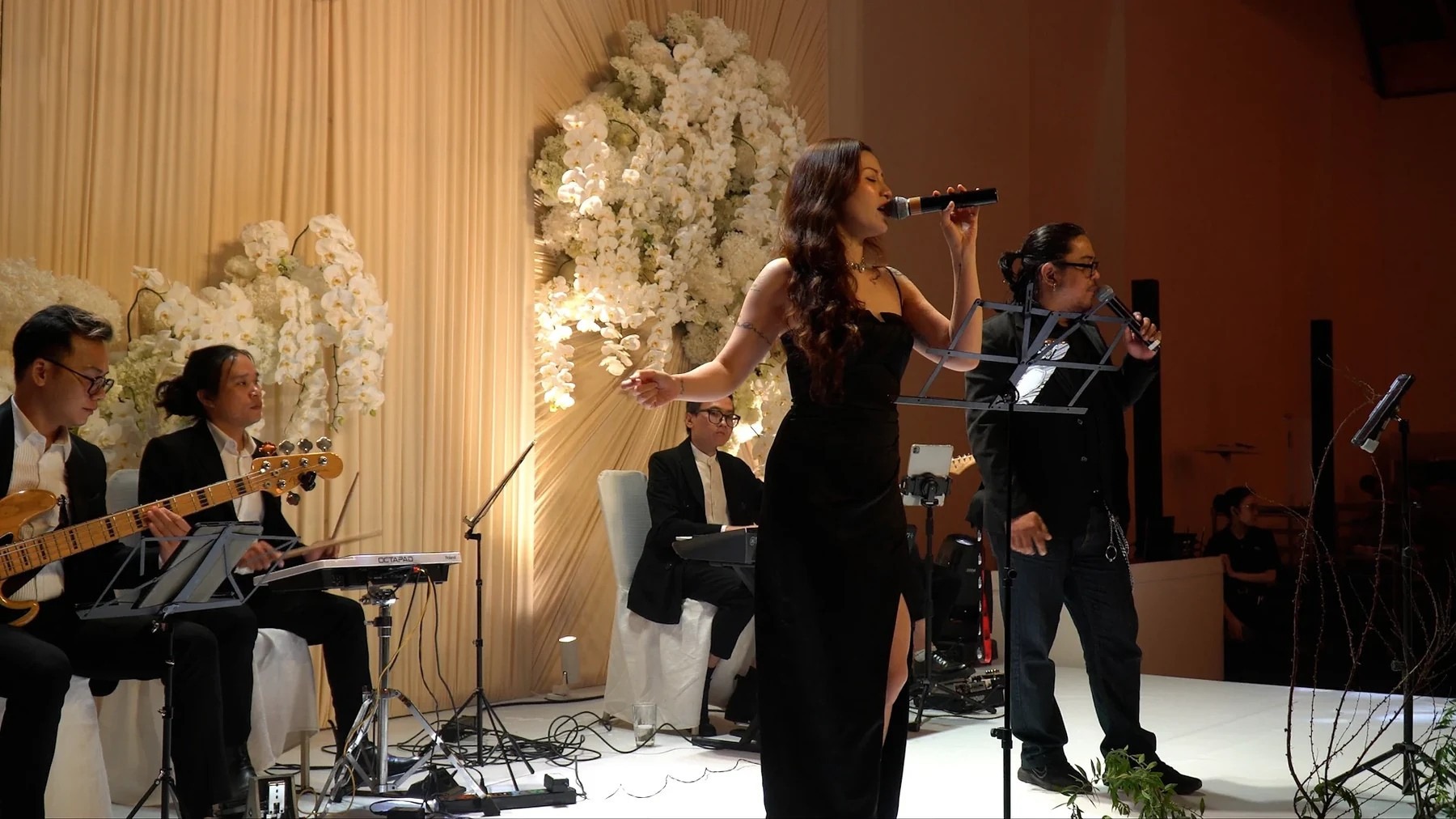
Lux Band builds bridges through curation and arrangement, presenting familiar melodies in a contemporary acoustic or jazz language that allows both sides of the room to recognize themselves in the evening.
The Power of International Vocalists: Elegant Crowd Connection
Connection depends on more than accurate lyrics. It requires natural speech rhythm, cultural sensitivity and the confidence to guide a room without interrupting its elegance.
A useful next step is understanding Luxury Wedding Bands in Ho Chi Minh City: A Guide.
When the programme calls for it, bilingual vocalists can introduce songs with context, read the energy of both families and coordinate with the master of ceremonies and wedding planner.
Bilingual Does Not Mean Translating Every Moment
A reception can become slow and formal when every sentence is repeated in two languages. Music offers another approach: it creates recognition without requiring a literal translation. A familiar melody, a chorus guests can join or a short introduction delivered in the right language can signal inclusion more naturally than continuous interpretation.
The planner and MC should decide which moments require complete bilingual communication—such as safety information, family acknowledgements or key announcements—and which moments can rely on musical continuity. This keeps the programme accessible while preserving pace and emotion.
Arrange Heritage Songs with Care
A culturally meaningful song should not be treated as a novelty. The music team needs a reliable reference, correct lyrics, pronunciation guidance and enough rehearsal time to understand the song's emotional role. Some couples want an arrangement that remains close to tradition; others prefer to place a familiar melody inside a contemporary acoustic or jazz language.
Family input can be valuable, especially when several versions of a song exist. The couple should identify who has final approval and share recordings early. A thoughtful arrangement can honour one side of the family while remaining inviting to guests hearing the music for the first time.
Use the Band, MC and Planner as One Communication Team
The strongest multicultural receptions have a clear backstage communication structure. The MC owns spoken guidance, the planner or stage caller owns the timeline, and the band supports transitions with intros, underscoring and performance cues. These roles should be agreed so musicians do not improvise announcements that conflict with protocol or family expectations.
Depending on the programme, a pronunciation sheet, cue list or contact for last-minute cultural questions can help prevent small errors from becoming uncomfortable moments. The goal is not to display how many languages the team can use; it is to help every guest understand where the celebration is going and feel welcome within it.
This decision also connects closely with What to Expect From Live Wedding Music in Vietnam's Tropical Climate.
When the Programme Requires It, Create a Cultural Brief
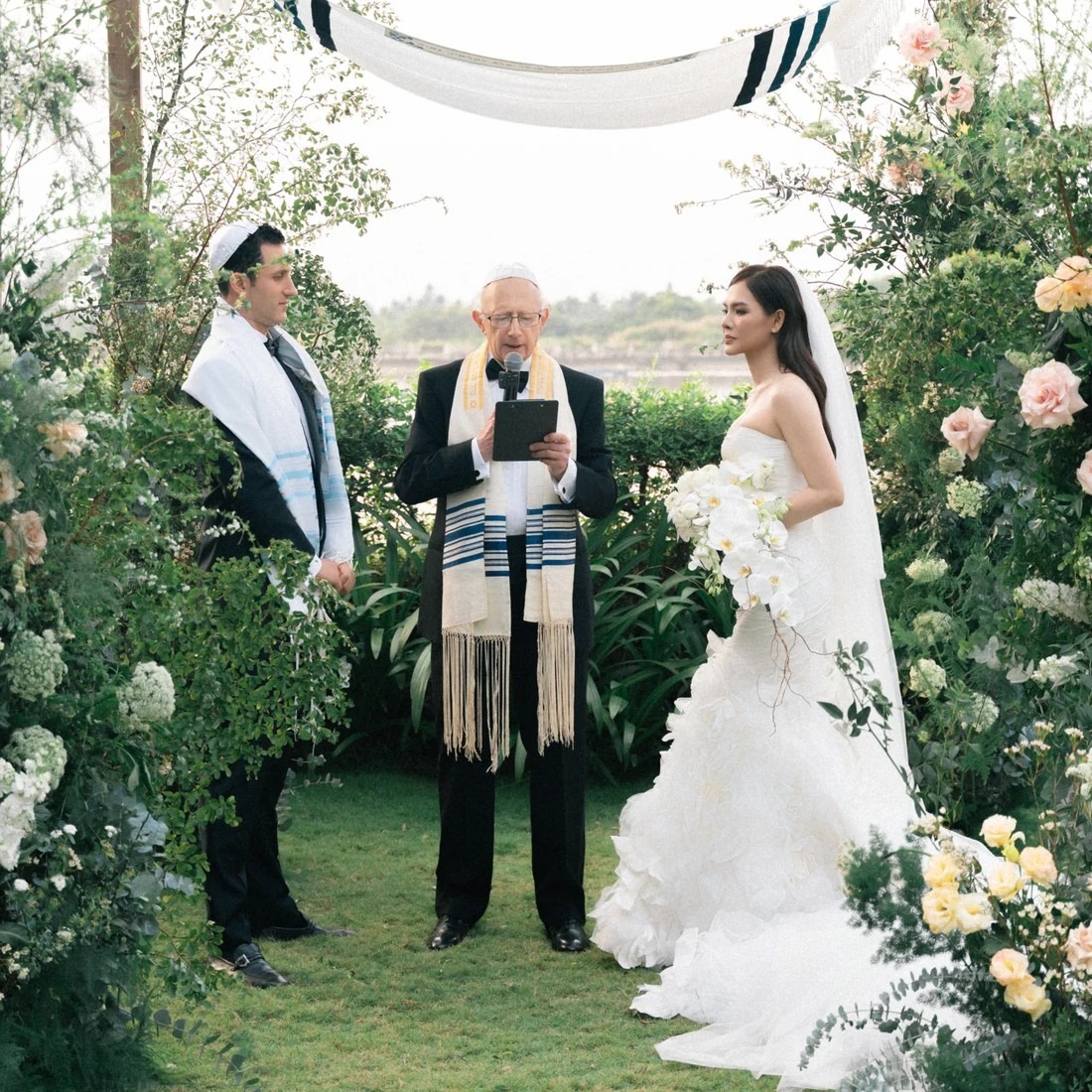
For some multicultural weddings, a short cultural brief can help the band understand how the families wish to be represented. It can include preferred names and pronunciations, languages used by each speaker, moments with religious or family significance, songs that carry special meaning and subjects or styles to avoid. This is especially important when one familiar song has different associations across generations.
The brief should remain practical. Its purpose is to support respectful choices, not turn musicians into cultural commentators. Final responsibility for family protocol stays with the couple and planner; when a cultural brief is used, the band can use that information to shape introductions, arrangements and transitions with greater care. It can also identify the moments when instrumental music is preferable because it lets both families share the same emotional space without privileging one language over another.
Frequently Asked Questions
Can Lux Band perform songs from different cultural traditions?
Selected heritage songs may be possible with suitable references, arrangement scope and rehearsal time. When the song or family context requires it, pronunciation and cultural context may be reviewed with the couple or a trusted family representative.
Does the band coordinate directly with a bilingual MC?
When the programme requires direct coordination, the planner can connect the bilingual MC and music lead so announcements, musical cues and language responsibilities are clear before the event.
Must every song be performed in both English and Vietnamese?
No. A balanced programme can include songs in different languages alongside instrumental music and globally familiar repertoire. Repeating every lyric is neither necessary nor always musically effective.
How early should special-language songs be submitted?
As early as possible. Availability depends on arrangement complexity, vocalist suitability, pronunciation review and rehearsal time.
How can the programme include older and younger generations?
Use a sequence that moves between meaningful family references, broadly recognized songs and the couple's contemporary taste. Arrangements can create continuity even when the repertoire spans decades.
Written and reviewed by Lux Band Editorial Team
·
“Music becomes most powerful when no guest feels outside the celebration.”
Let the music become part of the experience.
Every detail—from the lineup to the acoustic footprint—can be designed around the atmosphere you want your guests to remember.
Begin a conversation about your wedding music
Send an Enquiry →