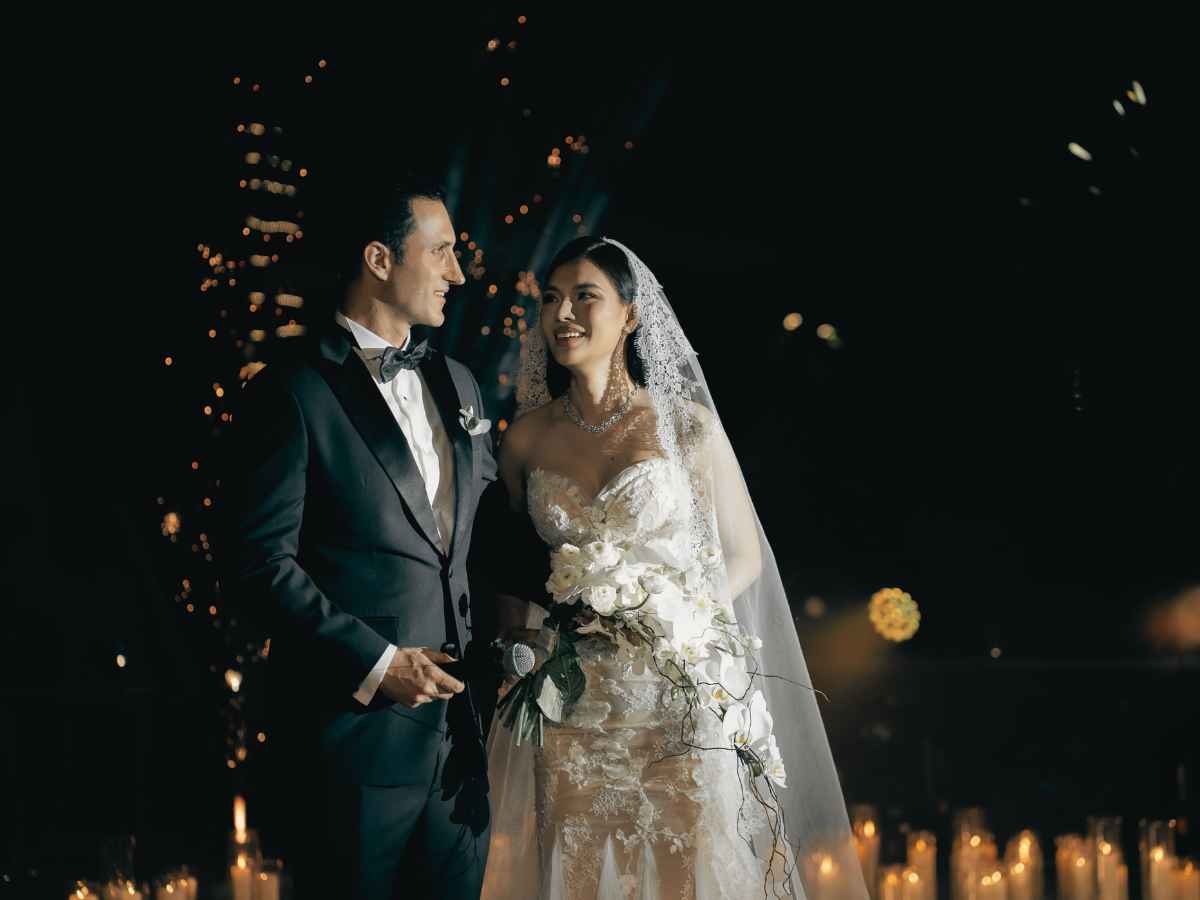
The Auditory Shift: Transitioning from Acoustic to Full Band
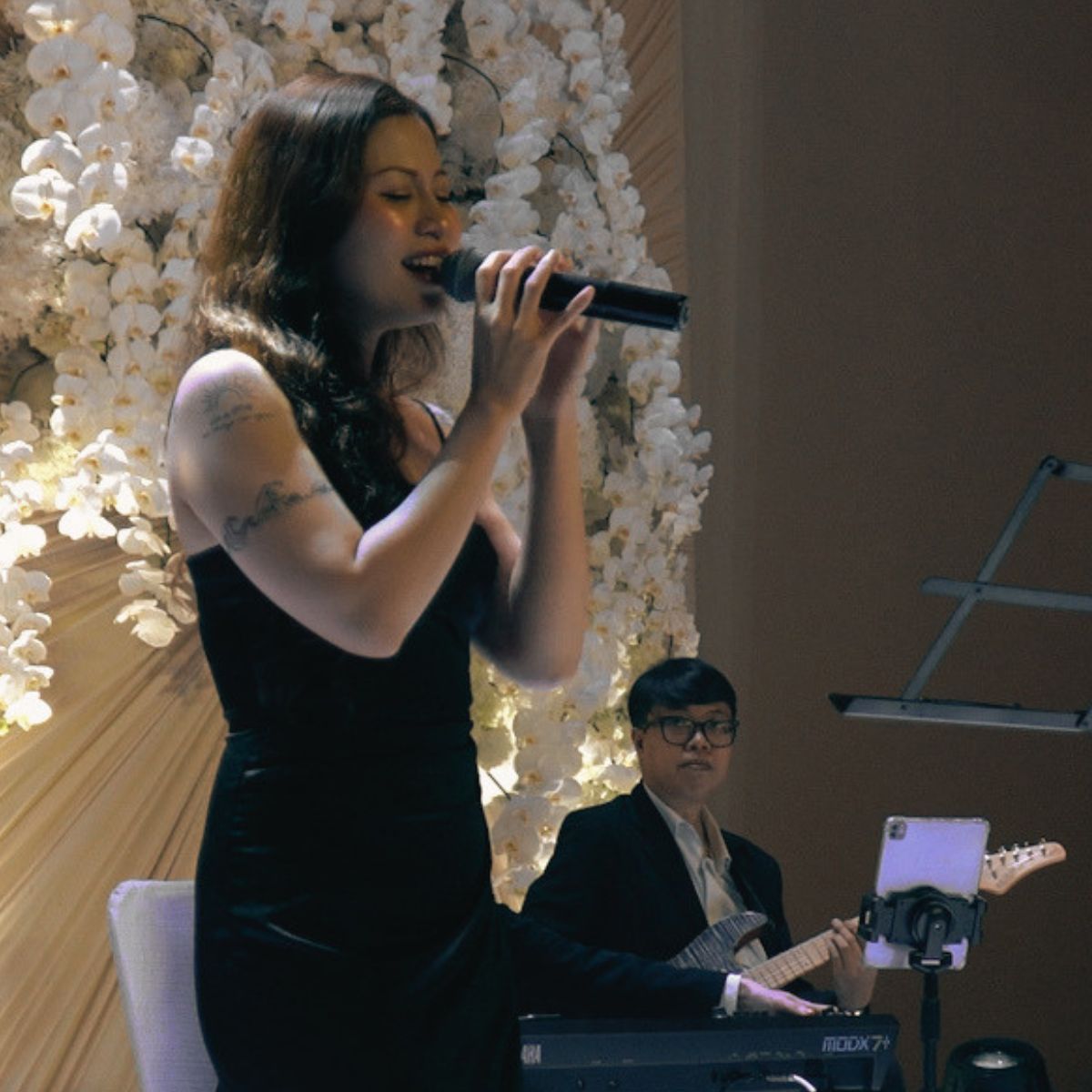
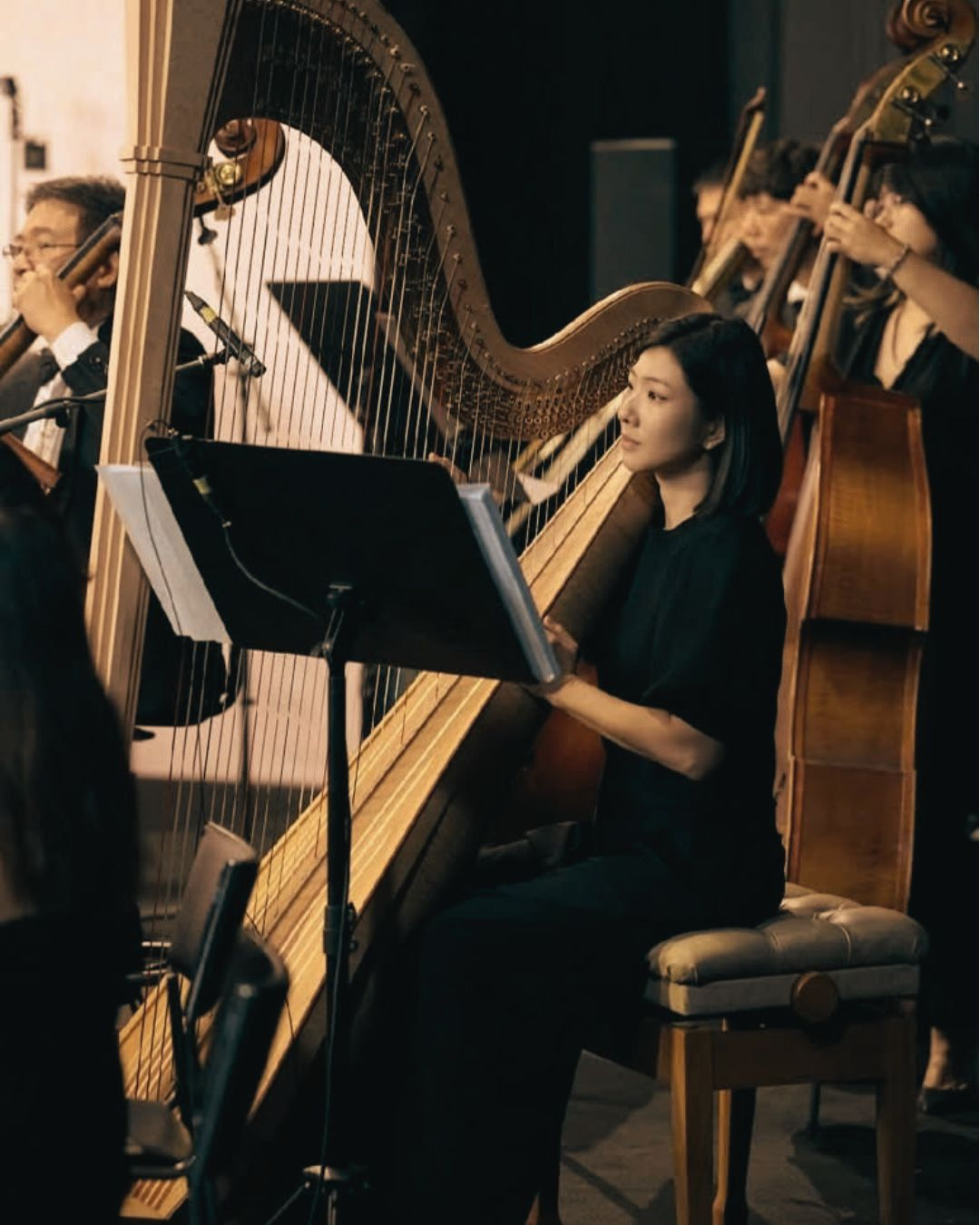
During dinner, live music is mixed as a refined atmospheric layer. The frequency spectrum leaves space for conversation, with acoustic instruments and vocals kept warm and clear.
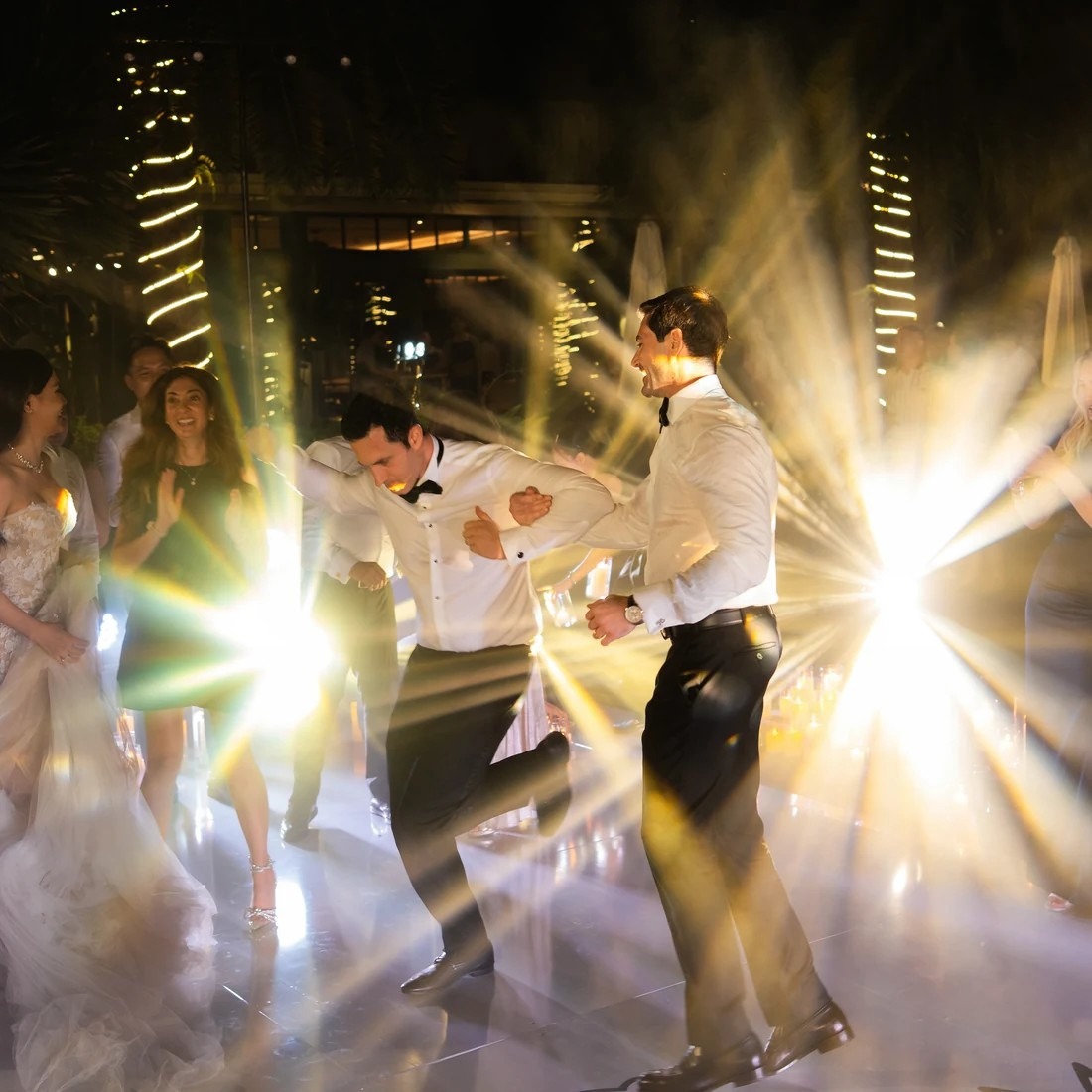
When the celebration changes, the arrangement changes with it. Electric guitar, live drums and bass energy create a fuller physical impact and invite guests toward the dance floor.
For the wider planning context, explore Luxury Wedding Bands in Ho Chi Minh City: A Guide.
Preserving Quality at High Decibels: Nightclub-Grade Control
The common failure of wedding after-parties is harshness. When a system is pushed without control, mid-high frequencies can become tiring and reduce the comfort and impact of the dance floor.
When the production scope includes a dedicated sound engineer, active monitoring can preserve punch in the low end while keeping vocals smooth and articulate throughout the celebration.
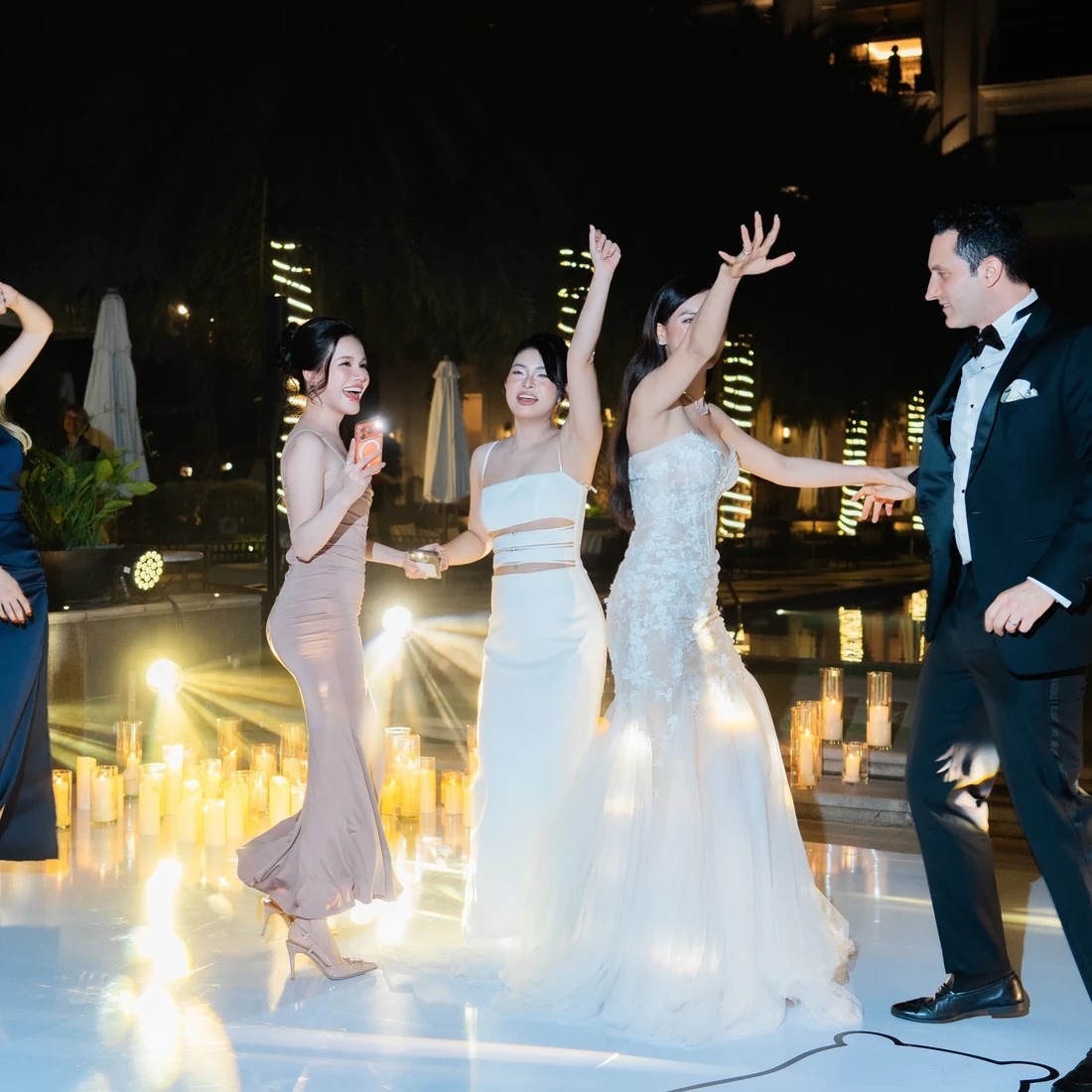
The Transition Begins Before the Final Dinner Song
An after-party feels natural when the dinner set has already prepared guests for movement. The band can gradually shorten pauses, introduce stronger rhythmic material and bring familiar choruses forward without abandoning the elegance of the meal. Lighting, speeches and service should support the same direction. If every element changes at once, the moment can feel like one event has ended and an unrelated one has begun.
A transition cue should be written into the master schedule. It may follow a toast, a wardrobe change, the opening of the dance floor or a dedicated couple's moment. The planner, MC, lighting operator and music director need one shared trigger so the energy shift is visible, audible and easy for guests to understand.
Design the Dance Floor as a Focused Listening Zone
Higher energy does not require the entire ballroom to become equally loud. The dance floor can carry more rhythmic impact while lounge areas and distant tables remain comfortable. Speaker orientation, subwoofer placement and active level management help create that distinction. This matters when older relatives, children or guests who prefer conversation remain in the room.
A useful next step is understanding String Ensembles for a Semi-Classical Wedding Ceremony in Vietnam.
The couple should review the floor plan with this social behaviour in mind. A dance floor beside the stage creates immediacy; a remote dance floor may need additional coverage and clearer visual cues. Bars, photo areas and late-night food stations can either concentrate activity or fragment it, so their positions should be considered as part of the after-party design.
Build a Setlist Around Shared Recognition
International weddings rarely have one universal musical reference. A successful after-party programme mixes songs guests recognize with selections that express the couple's taste. The sequence matters more than the number of requested tracks: early songs invite broad participation, later sets can become more specific, and a few planned peaks give the night a memorable shape.
Couples should provide must-play, meaningful and do-not-play lists, then leave room for the band to respond to the dance floor. Live musicians can extend a chorus, change the order or move quickly to a stronger song when guests are ready. That flexibility is one of the main advantages of a well-rehearsed live after-party.
Know When the Celebration Has Reached Its Peak
A strong after-party is shaped, not simply extended. The programme should identify one or two musical peaks and a closing direction that feels intentional. Ending with a shared anthem, a couple's favourite song or a carefully announced final number gives guests emotional closure. Without that plan, the dance floor may lose momentum gradually and the final memory becomes a logistical announcement rather than part of the celebration.
Frequently Asked Questions
How long should the transition from dinner to after-party take?
There is no fixed duration. When equipment is planned in advance, the musical shift can happen within the programme without a long technical pause. The cue and any lineup change should be written into the schedule.
Can we customize the after-party setlist?
Yes. Couples can share musical references, must-play songs and exclusions. Final choices should also consider the available lineup, rehearsal requirements and the mix of guests.
Does an after-party always require a larger band?
No. Energy can come from arrangement, rhythm, pacing and performance. A larger lineup offers more colors, but the right choice depends on the room, guest count and desired style.
How can older guests remain comfortable?
The floor plan can concentrate higher-energy sound around the dance floor while preserving quieter seating or lounge areas. Level management throughout the set is equally important.
Who should call the moment when the after-party begins?
The planner or stage caller should own the cue, coordinated with the MC, lighting operator and music director. One clear owner prevents competing signals.
Written and reviewed by Lux Band Editorial Team
·
“The after-party begins before the first dance-floor anthem. It begins with a perfectly designed transition.”
Let the music become part of the experience.
Every detail—from the lineup to the acoustic footprint—can be designed around the atmosphere you want your guests to remember.
This decision also connects closely with Designing a Custom Music Lineup for a Destination Wedding in Vietnam.
Begin a conversation about your wedding music
Send an Enquiry →