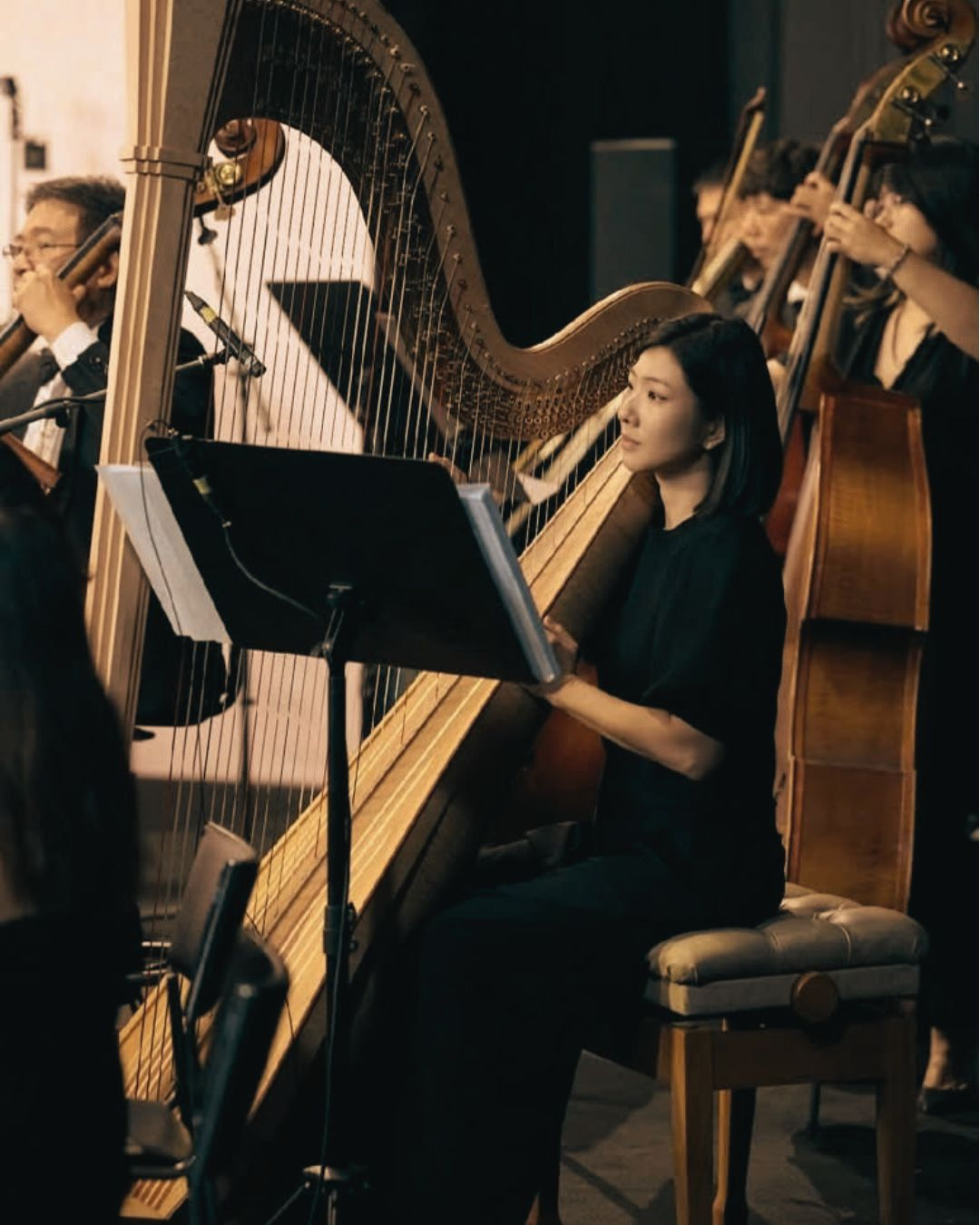
A soundcheck is not a private concert before the guests arrive. It is a controlled process that confirms the system, balances the musicians, tests the room, verifies programme cues and identifies problems while there is still time to solve them. The exact duration varies by venue, lineup and production scope, but the sequence should be deliberate.
The first task is system confidence
The team begins by confirming power, signal paths, microphones, instruments, monitors and the main sound system. Each channel is checked individually before the full band plays. This isolates technical problems instead of hiding them inside a complete arrangement.
Wireless systems, playback devices and communication channels also need verification when they are part of the programme. A cable that appears minor during setup can become a visible interruption once the room is full.
Then the band checks musical balance
Once the system is stable, the musicians play short sections that reveal the balance between vocals, rhythm, harmony and featured instruments. The objective is not maximum loudness. It is clarity at the positions where guests will actually listen.
The engineer may adjust for a reflective ballroom, an open terrace or a room that changes significantly when guests enter. The final mix often needs a measured first-set adjustment because an occupied room absorbs sound differently from an empty one.
Custom ensembles may require additional rehearsal time
The couple or wedding planner should first confirm venue availability, then align the proposed rehearsal window with Lux Band. The final plan depends on access, the musical scope and the venue’s operating schedule.
The Lux Band leader coordinates directly with the venue team
The purpose is not to publish a detailed division of every technical duty. It is to ensure that the people responsible for the music and the venue system are working from the same schedule, stage plan and performance requirements.
Soundcheck is not the same as rehearsal
Rehearsal is where musicians learn and refine the music. Soundcheck is where the prepared performance is adapted to the room and system. A short musical passage may be repeated for balance, but the process should not depend on learning the arrangement on site.
What varies by package and venue
Standard concepts, custom ensembles, delicate instruments, multiple performance zones and shared production systems all change the workflow. The venue technician may control the house system, while Lux Band controls the musical preparation. Responsibilities should be agreed before arrival.
The clearest measure of a professional soundcheck is what guests do not notice: no feedback, no missing cue, no uncertain handover and no visible search for a technical solution after the programme begins.
What planners can do to protect the soundcheck
The planner can protect the process by giving the band a realistic access time, a clear loading route and a stage that is genuinely ready. Decorative work, furniture placement and audio installation often overlap; the master schedule should recognise which tasks can happen together and which create safety or noise conflicts.
For a complementary planning perspective, explore How Lux Band Works With International Wedding Planners and Venues.
A final contact list should identify the venue representative, production lead, planner or stage manager, MC and band leader. If a system problem appears, the team should know who owns the equipment and who can authorise changes. This avoids several suppliers making simultaneous adjustments to the same signal path.
The programme should also be stable enough for cue verification. Minor timing movement is normal, but a soundcheck cannot compensate for an undefined entrance sequence, missing first-dance track or conflicting versions of the run-of-show.
A useful next step is understanding Ceremony Music: Why the First Song Sets the Tone.
When the preparation window is protected, the band can spend less time recovering from access problems and more time refining the balance that guests will actually hear.
This decision also connects closely with What to Expect From Live Wedding Music in Vietnam's Tropical Climate.
Questions couples often ask
Is soundcheck the same as rehearsal?
No. Rehearsal prepares the music; soundcheck adapts the prepared performance to the venue and system.
Who should be present?
The technical team and band are essential. The planner, stage manager or MC should join for programme and cue confirmation.
Why check an empty room if guests change the acoustics?
The empty-room check establishes a safe and balanced starting point. The engineer can then make measured adjustments once guests arrive.
Can a late venue handover affect the process?
Yes. Reduced access time can compress system checks and programme verification, so handover timing should be protected.
Does every lineup need the same amount of time?
No. Timing depends on personnel, instrumentation, venue systems, custom arrangements and the number of zones.
Written and reviewed by Lux Band Editorial Team
·
“Soundcheck is not the performance before the performance. It is the quiet work that allows the first song to feel inevitable.”
Protect the preparation window before the first guest arrives
Share your venue production plan and selected lineup so Lux Band can review access, system responsibilities and cue preparation.
Review your technical preparation →