A studio recording and a live arrangement are different objects
A studio track can contain layered vocals, electronic textures, orchestral parts and production details created across many sessions. A live band must translate the emotional identity of that recording through the musicians and instruments available on the wedding day.
This translation may be faithful without being identical. The important question is which elements make the song recognisable and meaningful: the opening figure, lyric, groove, vocal phrasing, instrumental colour or final chorus.
What usually makes a song work well live
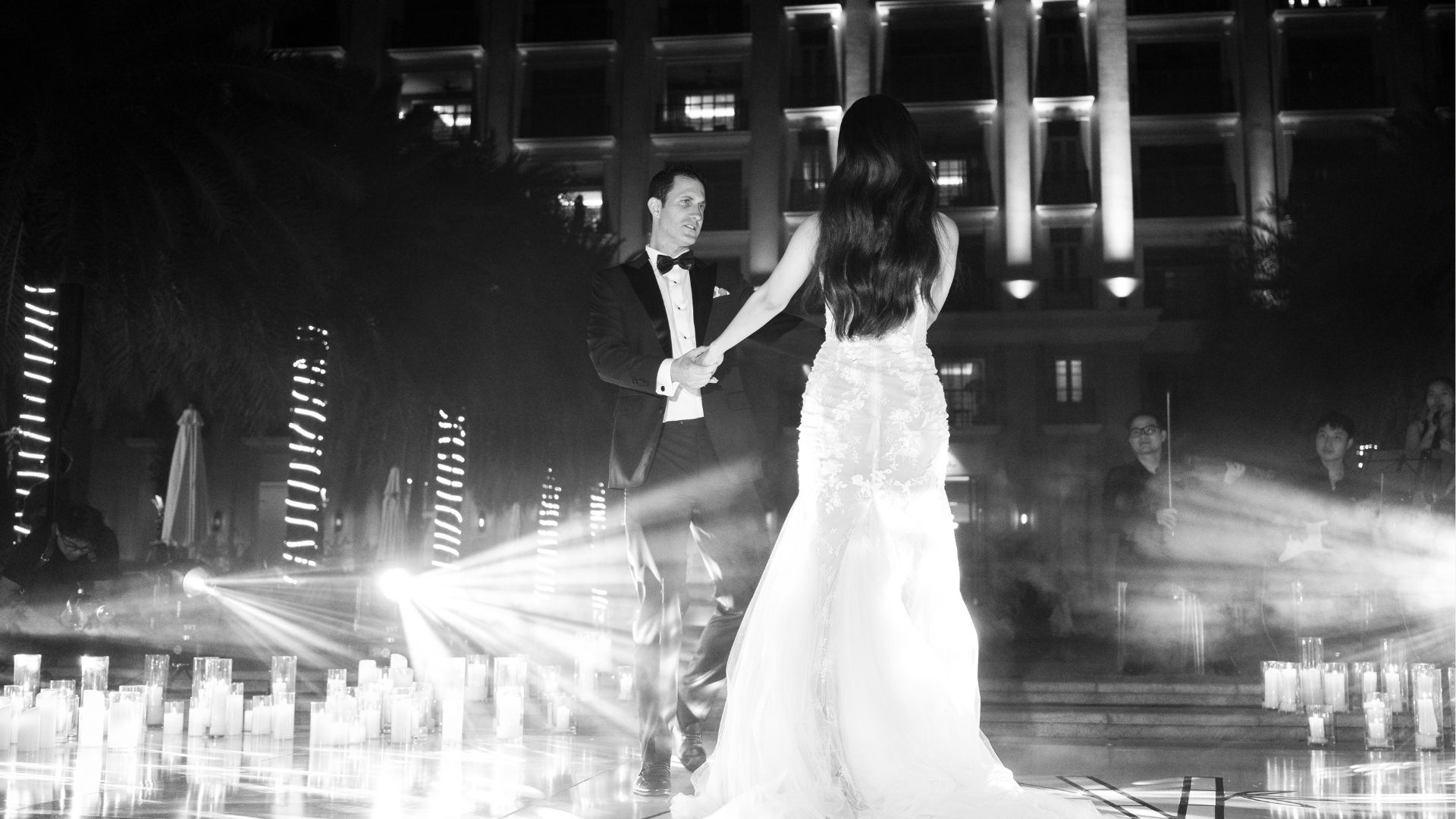
Songs with a clear melodic centre, stable pulse and structure that can be shaped around the dance are often strong candidates. The vocalist’s key should feel natural, and the arrangement should leave enough space for the couple rather than turning the performance into a concert feature.
A live ending is especially important. Studio tracks often fade out; a first dance needs a deliberate final chord, gesture or cue that tells the couple, photographer and guests the moment has resolved.
For a complementary planning perspective, explore Ceremony Music: Why the First Song Sets the Tone.
An illustrative before-and-after arrangement
| Original recording | Wedding arrangement |
|---|---|
| Four-minute structure | Edited to approximately two and a half minutes for choreography |
| Long instrumental introduction | Shortened to a clear entrance cue |
| Original key strains the live vocalist | Transposed while preserving the melodic character |
| Second verse repeats the same energy | Condensed to reach the emotional chorus sooner |
| Studio fade-out | Rewritten as a held final chord and visible ending cue |
This is an arrangement model, not a claim about one named couple. The actual decisions should follow the selected song, choreography and performance scope.
How choreography changes the music brief
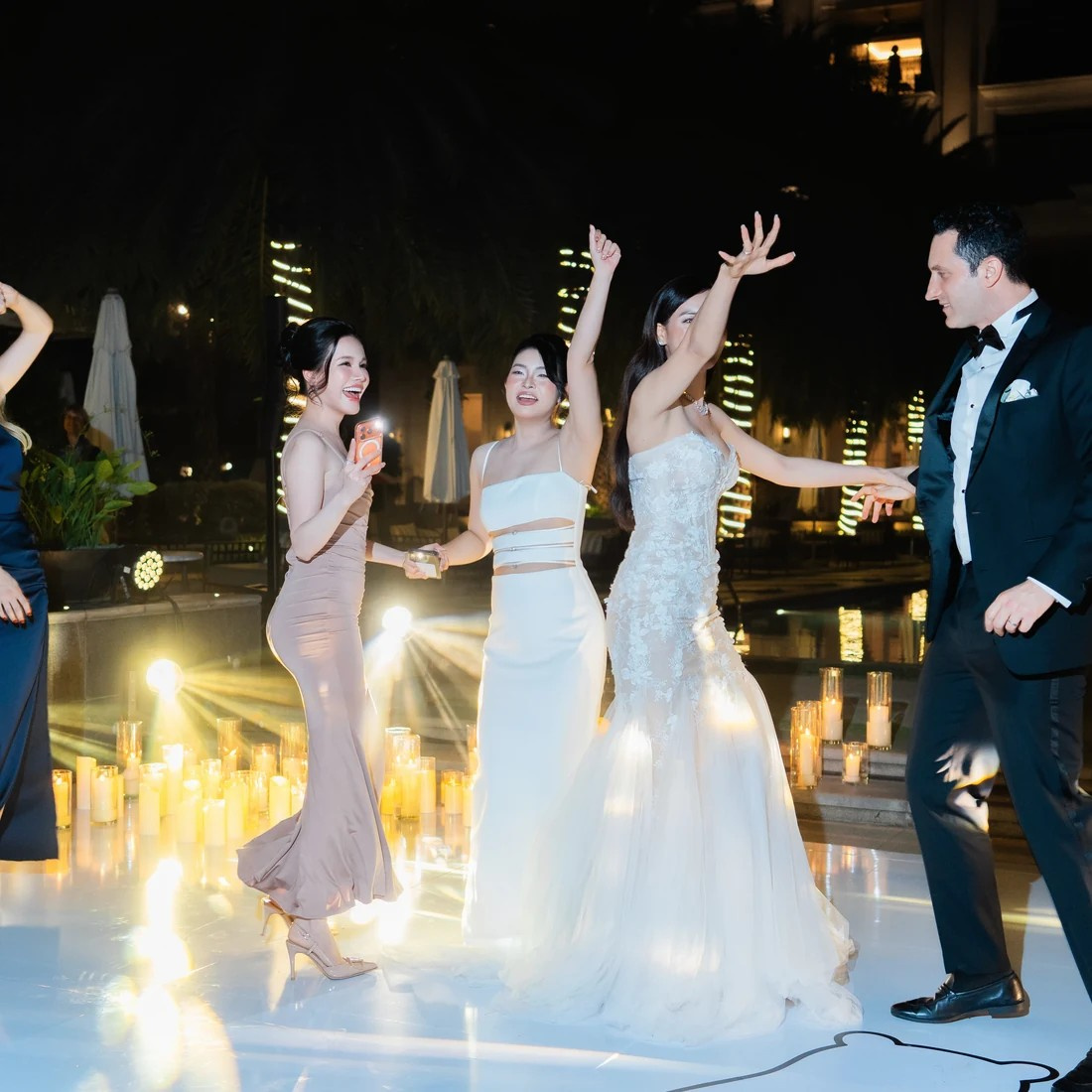
The band should know whether the couple plans a simple natural dance, a choreographed routine, a family invitation or a transition that opens the floor. Video references and time-coded notes are more useful than general instructions such as “make it shorter”.
If the choreography depends on the original production, the recorded track may remain the better choice. The band can still frame the moment with a live introduction, transition or song immediately afterwards.
A useful next step is understanding Before the First Song: What a Professional Wedding Soundcheck Actually Covers.
How to brief the band
The brief should include the exact recording reference, preferred duration, choreography video, key moments, desired ending, language or pronunciation concerns and the latest date for structural changes. Couples should also identify which details are essential and which may be interpreted by the music director.
When the original recording may be the better choice
The original track may be right when the couple is emotionally attached to a specific vocal, the production is central to the choreography, the song relies heavily on electronic sound design or the live lineup cannot represent the character honestly.
Choosing playback is not a lesser artistic decision. The purpose is to protect the couple’s moment. Live performance should be selected because it adds meaning, not because every premium wedding is expected to use it.
A practical approval process
After receiving the reference, the music director should confirm whether the song is suitable for the selected lineup and identify any structural changes. The couple can then approve a written arrangement map: introduction, verse, chorus, edit points, key, ending and approximate duration.
This decision also connects closely with String Ensembles for a Semi-Classical Wedding Ceremony in Vietnam.
For choreography, the safest workflow uses one locked audio reference. If the band is creating the final version, changes should stop early enough for the couple to practise against a stable structure. Rewriting the ending days before the wedding may affect both the musicians and the dance.
The couple does not always need a full rehearsal with the band. A video, time-coded cue sheet and agreed count-in can be enough for a simple dance. More complex choreography, live tempo changes or interactions with family members may justify a separate coordination step.
The final decision should be emotional as well as technical. The version should still feel like the song the couple chose, even after editing. A perfectly efficient arrangement that removes the lyric or phrase they love most has solved the wrong problem.
Questions couples often ask
How far in advance should we send the song?
Send it as early as possible. The band will confirm the preparation time after reviewing arrangement complexity and rehearsal requirements.
Can the band shorten a long original track?
Often, yes. Sections can be condensed while preserving the emotional arc and choreography cues.
Can we use the original recording and still involve the band?
Yes. The band can frame the moment before or after the recorded dance, subject to the programme design.
What if the original key does not suit the vocalist?
The arrangement can often be transposed, provided the new key still works for the instruments and choreography reference.
Can the band create a clear ending for a fade-out song?
Yes. A deliberate live ending is one of the most common arrangement decisions for a first dance.
Written and reviewed by Lux Band Editorial Team
·
“The first-dance arrangement should not ask the couple to follow the band. It should allow the music to follow the couple.”
Let the arrangement follow the way you plan to dance
Send Lux Band your song reference, choreography notes and preferred duration for an arrangement review.
Review your first-dance song →