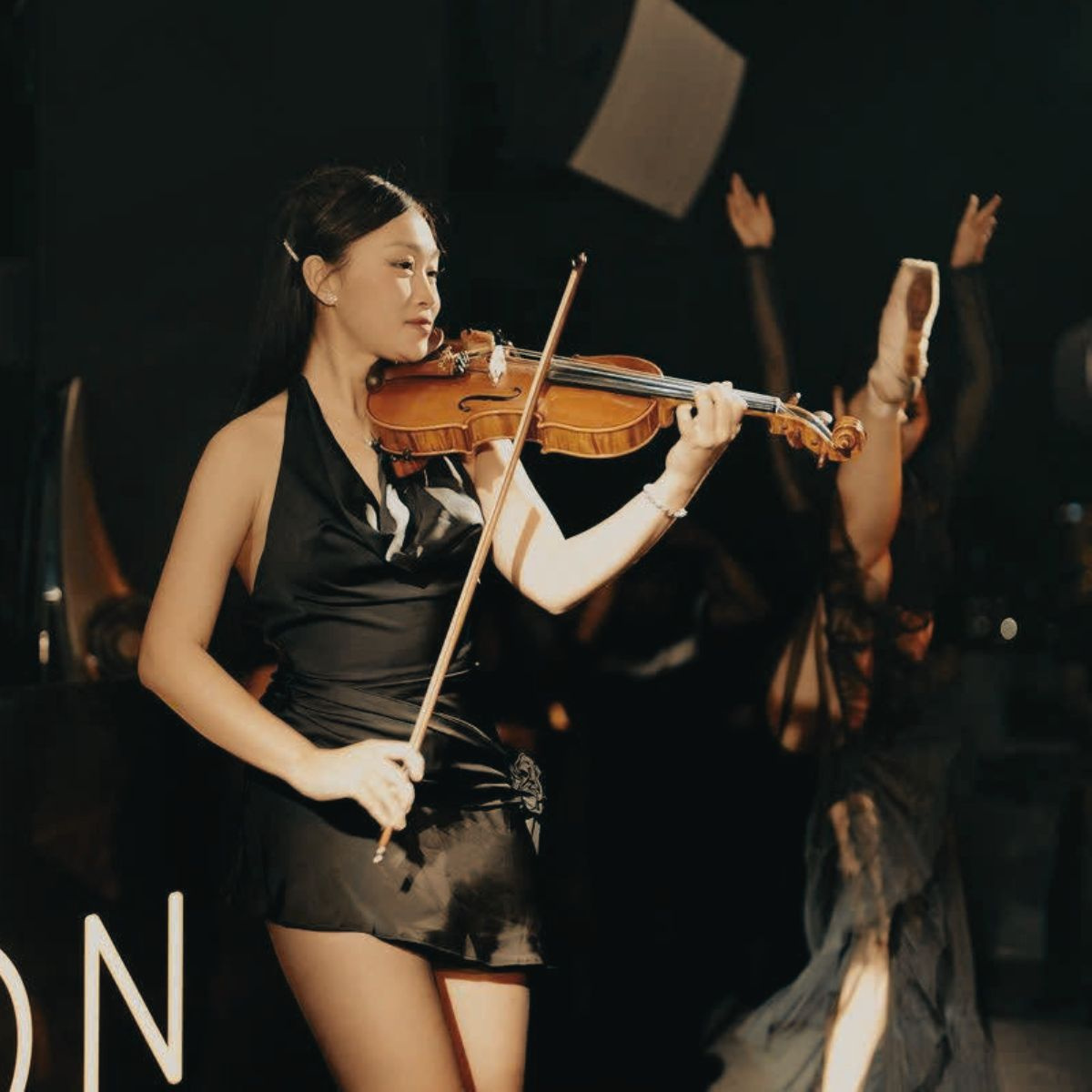
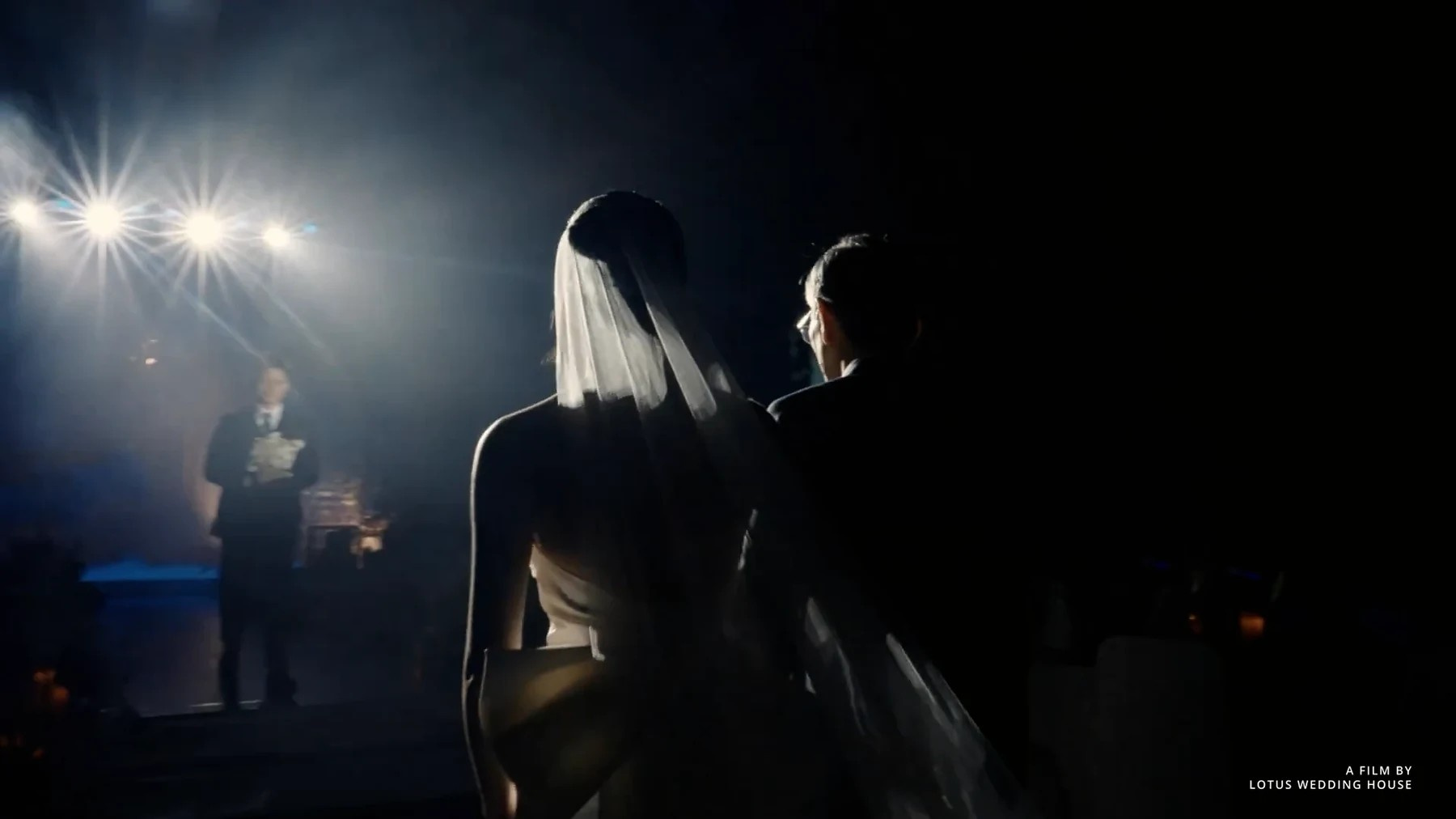
A requested song is not wedding-ready simply because a band knows the melody. The work that makes it feel effortless happens earlier: understanding the moment, choosing the right key, deciding what the arrangement should reveal or hold back, rehearsing transitions, and preparing the ending so the music belongs to the ceremony rather than sounding like a generic cover.
For the wider planning context, explore Before the First Song: What a Professional Wedding Soundcheck Actually Covers.
A song begins with the moment, not the title
When a couple sends a song request, the first question is not only whether the musicians can play it. The more useful question is what the song needs to do in the wedding. A bridal entrance, first dance, dinner performance and after-party request can use the same composition but require very different pacing, dynamics and endings.
For an entrance, the structure may need a clear cue and a controlled build. For a first dance, the length may need to match choreography or the couple's comfort on the floor. During dinner, a song can breathe more freely. Later in the evening, the same material may be reshaped to create momentum rather than intimacy.
This is why Lux Band treats repertoire as part of experience design. The title is only the starting point; the wedding moment determines the final musical form.
Finalizing the setlist is an editorial decision
A setlist is not a list of songs placed in any convenient order. The songs around a request affect how that request is perceived. Tempo, key, vocal range, lyrical weight and instrumentation all influence whether the transition feels natural or abrupt.
A personal song often needs space around it. If every number before it is equally emotional, the requested song can lose its importance. If the preceding set is too energetic, the band may need a deliberate reset before the first notes arrive.
The goal is contrast without fragmentation: enough change for the moment to feel special, but enough continuity for the evening to feel intentionally designed.
Arrangement turns a familiar song into a wedding performance
The original recording is a reference, not a rule. A studio production may contain layers that are unnecessary or impractical for a wedding lineup. The arrangement decides which musical idea is essential and which can be translated into the available instruments.
A guitar figure may become a piano texture; strings may carry a line originally sung by backing vocals; drums may enter later than in the record so the first verse remains intimate. Sometimes the most elegant arrangement is not the most technically complex one. It is the version that gives the right amount of sound to the room and to the moment.
For international weddings, pronunciation and lyrical emphasis may also require preparation. Musical accuracy matters, but emotional credibility matters just as much.
A useful next step is understanding Can a Wedding Band Learn Your First-Dance Song? What Makes a Song Work Live.
Rehearsal is where uncertainty is removed
Rehearsal is not simply repeating the song until nobody makes a mistake. It is where the band resolves the small decisions that guests should never notice: who gives the count, how the intro is cued, what happens if the procession takes longer than expected, when the singer enters, and how the musicians close the piece if the programme changes in real time.
Custom requests benefit from reference recordings, charts or agreed structures before the full rehearsal. The more specific the moment, the more useful it is to define the version in advance instead of relying on memory of the original track.
This preparation gives the musicians freedom on the day. Because the structure is secure, they can listen to the room and respond naturally rather than concentrating on basic coordination.
The live version must leave room for the wedding itself
Wedding music is performed inside an event that is moving. A couple may pause during an entrance. A photographer may need another few seconds. An MC may finish later than expected. Guests may begin singing along. The arrangement therefore needs a controlled degree of flexibility.
Professional preparation creates musical places where the band can extend, repeat, soften or close without making the adjustment obvious. This is different from improvising without a plan. It is planned adaptability: everyone knows which elements can move and which cues must remain fixed.
The best prepared performance feels less rigid, not more.
What couples should send the band
A useful request includes the exact song and artist, the wedding moment, any preferred version, the people involved and any timing that matters. If there is choreography, a ceremony cue or a specific section that has emotional meaning, mention it early.
Couples do not need to describe musical theory. A sentence such as “we love the first verse but want the ending to feel bigger” is already valuable creative direction. The band can translate that intention into key, instrumentation, dynamics and structure.
The more personal the request, the more important it is to allow preparation time. A custom arrangement should feel as if it belonged to the wedding from the beginning—not as if it was added to the setlist the night before.
This preparation also connects closely with How Lux Band Works With International Wedding Planners and Venues.
Questions couples often ask
Can a wedding band learn a song that is not in its regular repertoire?
Often yes, if the song suits the lineup and there is enough preparation time. The band should confirm feasibility rather than promise every request automatically.
Do couples need to provide sheet music?
Usually not. A clear reference version is often enough, although charts can be useful for complex or collaborative arrangements.
Can the key be changed for the singer?
Yes. Transposition is common when it helps the vocalist deliver the song naturally while preserving the emotional character of the arrangement.
Can the band shorten a song for a ceremony entrance?
Yes. Ceremony arrangements are often edited so the musical arc matches the physical timing of the entrance.
How early should a custom request be sent?
As early as practical. The more bespoke the arrangement or the more people involved, the more preparation time should be protected.
Written and reviewed by Lux Band Editorial Team
·
“A personal song becomes part of a wedding when the arrangement serves the moment—not when the band simply reproduces the record.”
Bring the story behind the song into the arrangement
Share the song, the moment and what it means to you. Lux Band can then design the musical version around the celebration rather than around a generic cover.
Start a conversation →