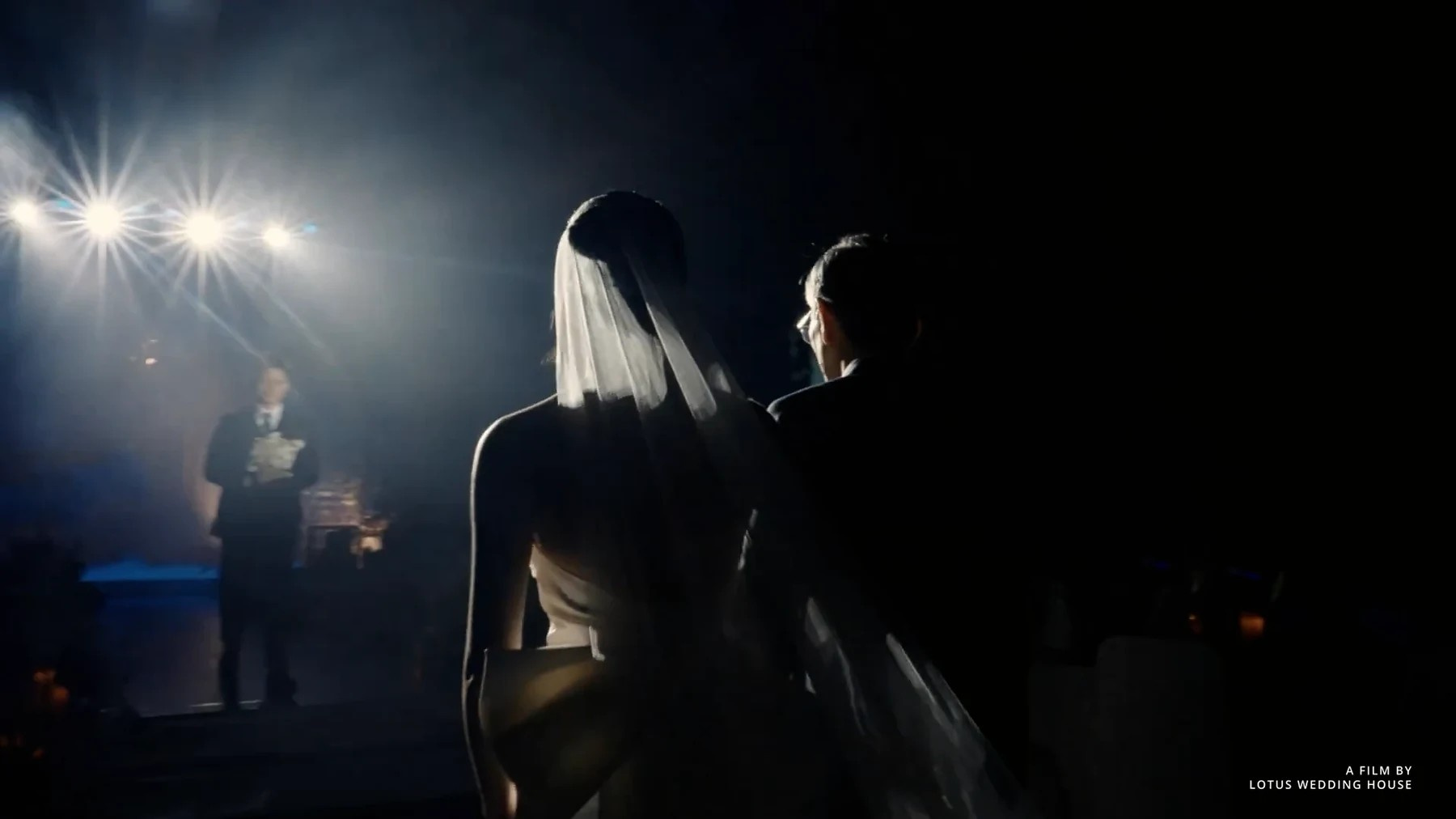
Welcome dinner: create recognition before spectacle
The first event brings together guests who may not know one another, have travelled long distances or are moving between languages. Music should make the room feel hospitable without demanding immediate participation.
For the wider planning context, explore How Long Should a Live Wedding Band Play at a Destination Wedding?.
A focused acoustic format, duo, trio or curated playlist can establish the musical world of the weekend. The repertoire may introduce shared references while reserving the most emotionally important songs for later.
Ceremony: protect the central narrative
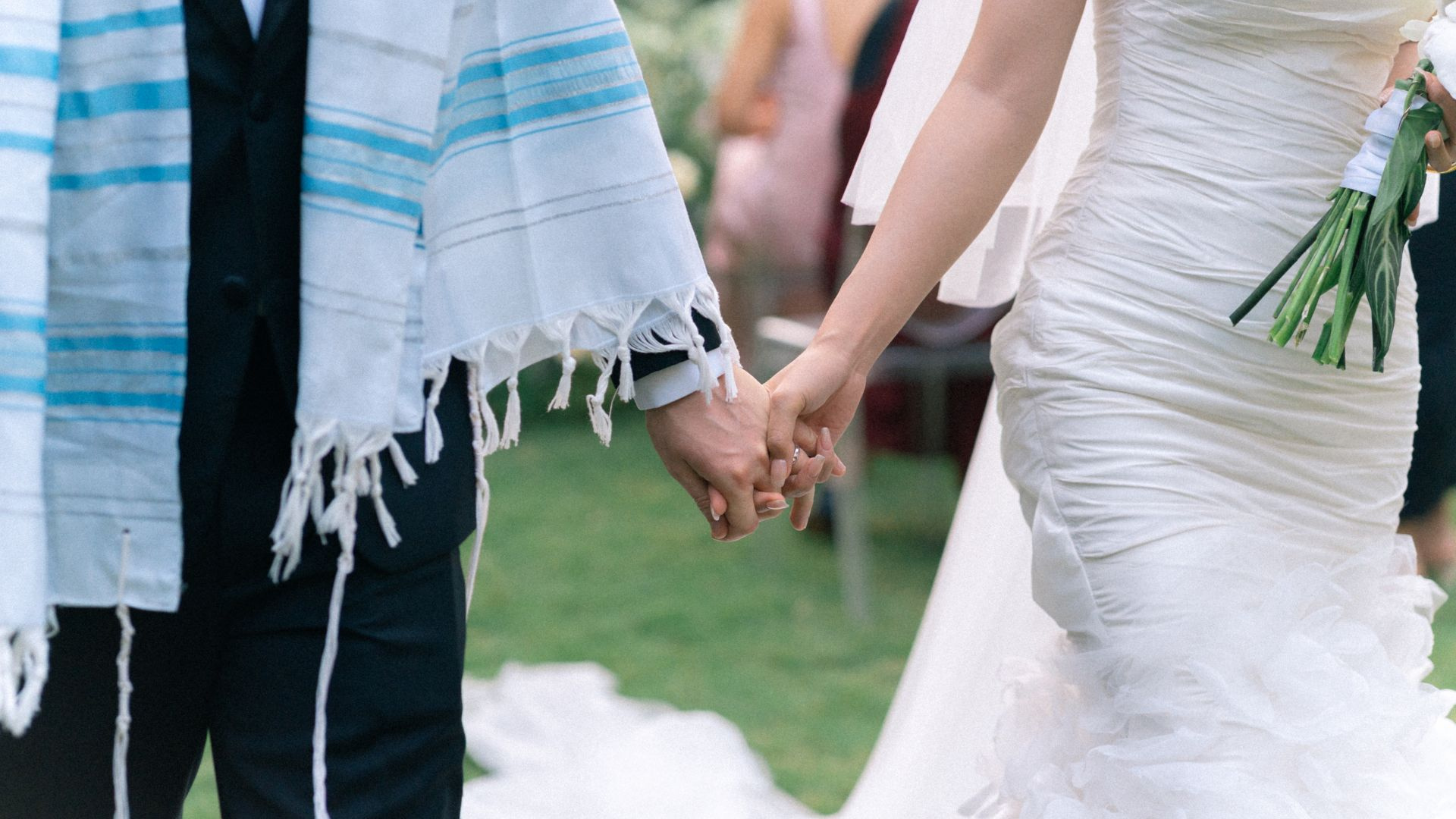
Ceremony music should be designed around entrances, pauses, readings, rituals and the physical distance of the procession. It is the phase where precision matters most because a cue may happen only once.
The sound and instrumentation should support the setting without competing with vows or spoken language. A custom feature may be appropriate here even when the reception uses a different lineup.
Reception: allow the musical world to expand
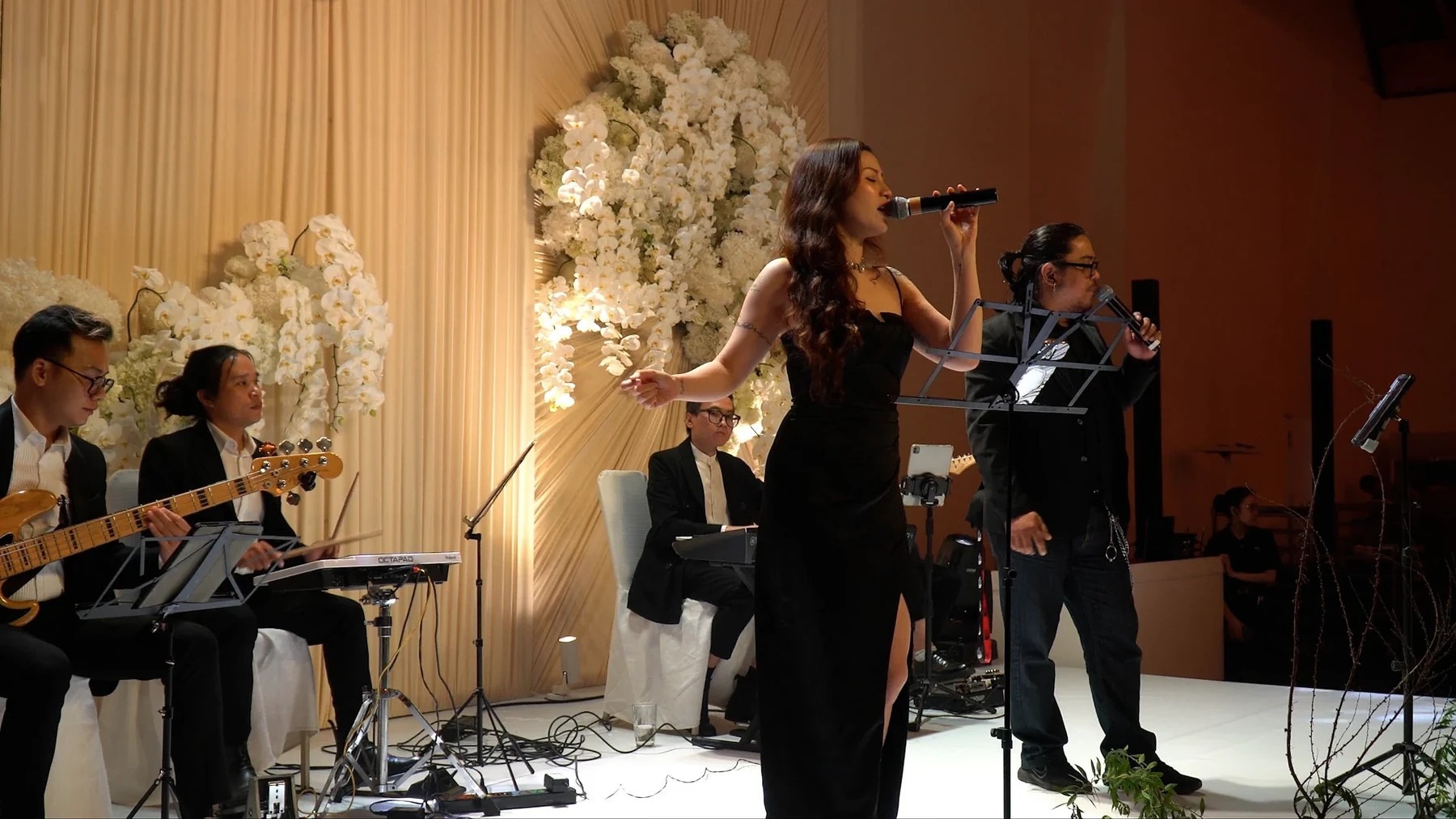
The reception can carry the broadest range: guest arrival, dinner atmosphere, featured songs, first dance and the opening of the dance floor. This is where a six-performer concept or custom ensemble can reveal more colour and dynamic range.
Repertoire from the welcome dinner should not simply be repeated. Musical ideas can return in transformed form—a song heard instrumentally on the first evening may reappear with vocals during the reception.
After-party: change character with intention
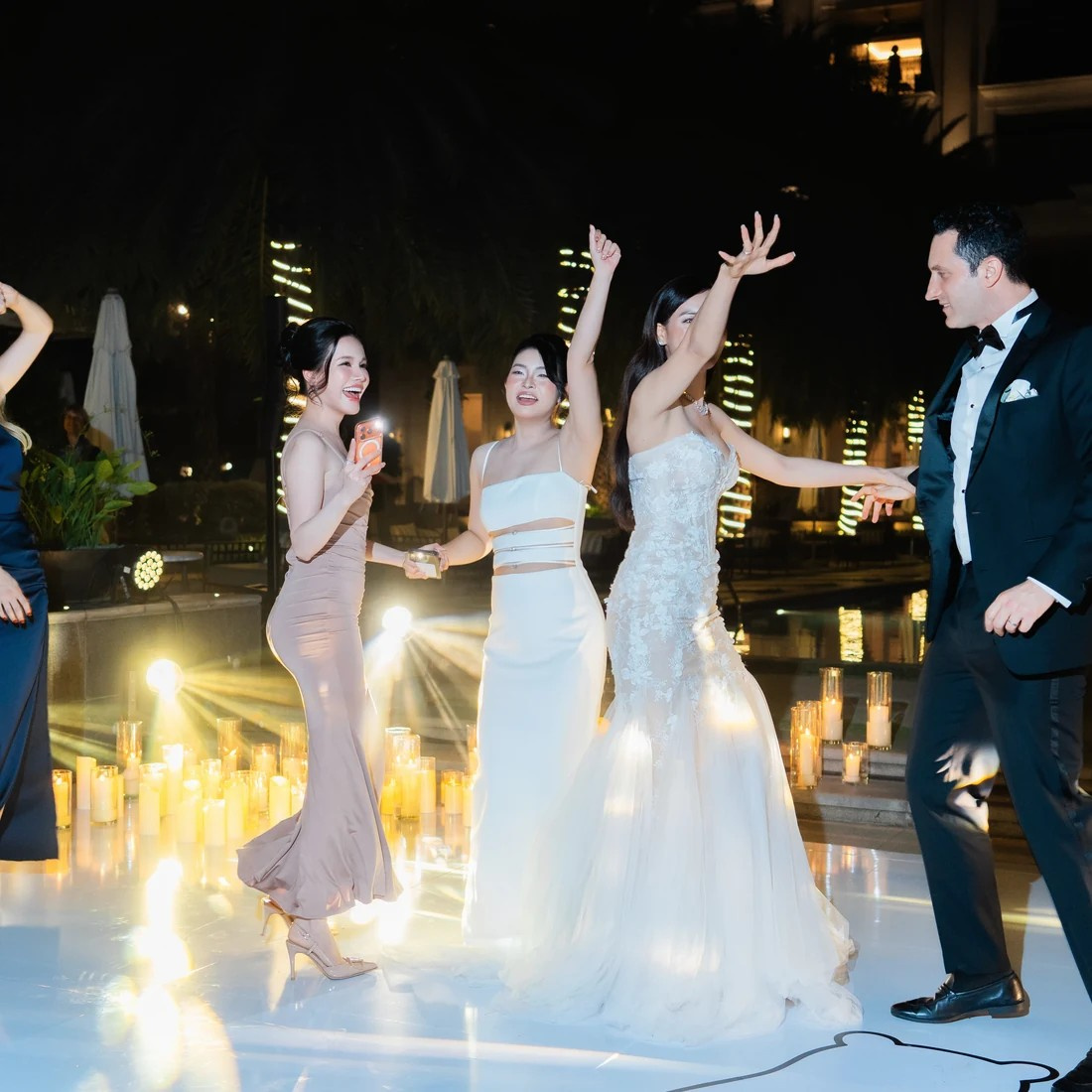
The after-party should feel like a release, not a random increase in volume. A band-to-DJ transition can move from shared live performance into broader recorded repertoire, stronger rhythm and fewer formal interruptions.
A useful next step is understanding Designing the After-Party Transition: How Live Music Shifts a Wedding From Elegant to Euphoric.
The change may also involve a new room, lighting environment or dress direction. Music should help guests understand that the weekend has entered another form without making the earlier elegance feel false.
Farewell: let the final music release the weekend gently
A farewell brunch or final gathering does not always require live music. When it does, the role is often light, warm and conversational. The objective is not to create another climax but to leave guests with a sense of completion.
Curated playback may be more appropriate when departures are staggered. The decision should follow the schedule, venue and number of guests still present.
A destination-weekend music architecture map
| Event | Emotional role | Possible format | Operational focus |
|---|---|---|---|
| Welcome dinner | Recognition and ease | Duo, trio or curated playback | Arrival flow and conversation level |
| Ceremony | Meaning and precision | Focused or custom ensemble | Cues, weather and procession timing |
| Reception | Expansion and shared celebration | Full band or custom concept | Run-of-show and sound coverage |
| After-party | Release and momentum | Band-to-DJ or DJ | Handover, curfew and late-night access |
| Farewell | Closure | Light live format or playback | Staggered departures and restraint |
Whether Lux Band serves every phase depends on the selected scope, venue locations, personnel changes, transport and production. The map is a design framework, not a promise that one booking automatically includes the whole weekend.
What varies across venues and booking scopes
A weekend held within one resort can still involve long equipment routes, different curfews and separate weather plans. A programme that moves between properties introduces transport, loading access and rehearsal questions that should be visible before the music concept is approved.
The same performers may not be needed at every gathering. A vocalist arriving for the reception, a string feature used only for ceremony or a DJ contracted for the after-party can create a more intentional architecture than keeping the full lineup active throughout the weekend.
This decision also connects closely with Designing a Custom Music Lineup for a Destination Wedding in Vietnam.
Production duplication is another decision. Moving one complete sound system may create long gaps, while separate systems can increase cost and coordination. The correct solution depends on distances, turnaround time and whether events overlap.
Couples should therefore compare the weekend as a sequence of experiences and as an operating plan. The artistic map explains why each format exists; the production map confirms that the people and equipment can reach each moment calmly.
Questions couples often ask
Should the same band perform at every event?
Not necessarily. Continuity can come from musical direction even when the lineup changes.
How do we avoid repeating songs across the weekend?
Create a repertoire map that reserves key songs and allows selected themes to return in different arrangements.
Does the farewell brunch need live music?
No. It depends on guest flow, venue and whether music adds warmth or unnecessary production.
Who manages multiple venue timelines?
The wedding planner or designated producer should own the master schedule, with each music provider responsible for its confirmed scope.
Can one sound system serve every event?
Sometimes, but separate zones, travel distance and simultaneous setup may require additional production.
Written and reviewed by Lux Band Editorial Team
·
“A wedding weekend feels coherent when each event has its own musical identity—and still belongs to the same story.”
Design the musical arc across the entire destination weekend
Share the schedule, venues and emotional purpose of each gathering so Lux Band can recommend where live performance, playback and transitions belong.
Map your wedding-weekend music →