A destination-wedding live-band service does not necessarily mean two uninterrupted hours of music. At a destination wedding, the band usually works around speeches, dinner service, first dance, cultural moments and changes between spaces. The useful measure is not the longest possible performance. It is whether live music appears at the right moments with enough continuity to shape the evening.
Service window and continuous playing time are different
A booking window may include several live sets separated by programme moments or short breaks. These pauses are not automatically lost value. They can protect vocal quality, allow dinner and speeches to breathe and prevent the room from becoming musically saturated.
For the wider planning context, explore What to Expect From Live Wedding Music in Vietnam's Tropical Climate.
The agreement should define the service window, expected live sets, breaks and any waiting or relocation time. Couples should not have to infer these details from a package title.
What 20–26 songs in two hours can mean
Lux Band’s practical planning reference for a two-hour programme can be approximately 20–26 songs, depending on arrangement length, speeches, transitions and the way sets are structured. This is not a guaranteed universal count.
A five-minute first-dance arrangement, short medley, guest interaction or repeated transition can change the number. The purpose of the range is to help couples understand scale, not to turn a wedding into a song-count transaction.
A sample two-hour run-of-show
| Time | Programme | Music role |
|---|---|---|
| 00:00–00:25 | Guest seating / dinner begins | Elegant live set |
| 00:25–00:35 | Welcome and speech | Band pauses; cue support |
| 00:35–01:00 | Dinner continues | Second live set |
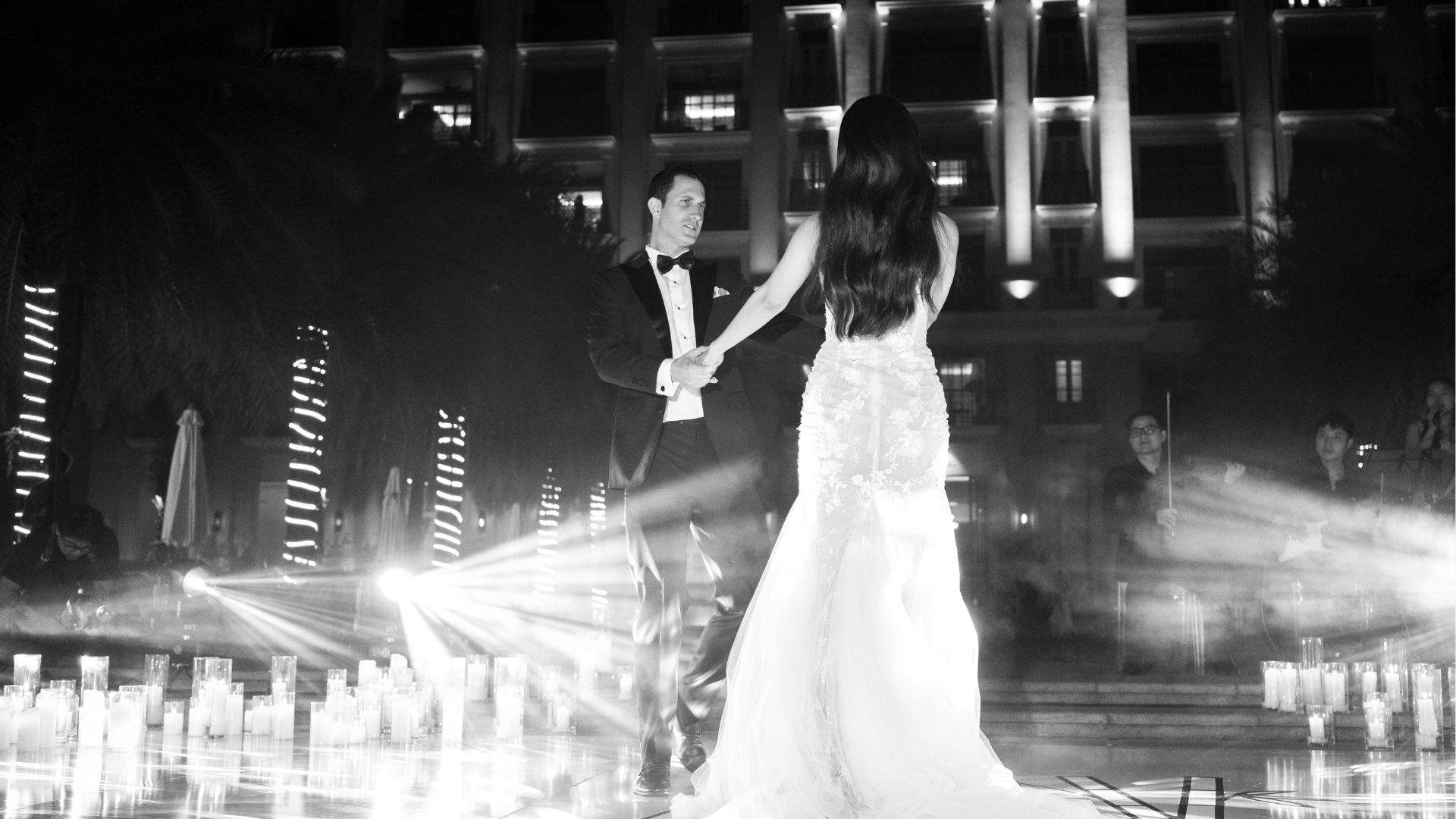
| 01:00–01:15 | First dance / programme moment | Featured arrangement and transition |
| 01:15–01:50 | Dance-floor opening | Higher-energy live set |
| 01:50–02:00 | Handover | Final song and DJ/playback transition |
Set length should follow attention and service
Dinner service, speeches and room movement affect how long a set should continue. One uninterrupted set may look efficient on paper but compete with important moments or reduce the impact of later songs.
Stronger programmes vary density: music welcomes, recedes, returns with purpose and builds when the room is ready. Breaks should be covered by agreed playback or a DJ so the atmosphere does not disappear.
Destination weddings add logistical context
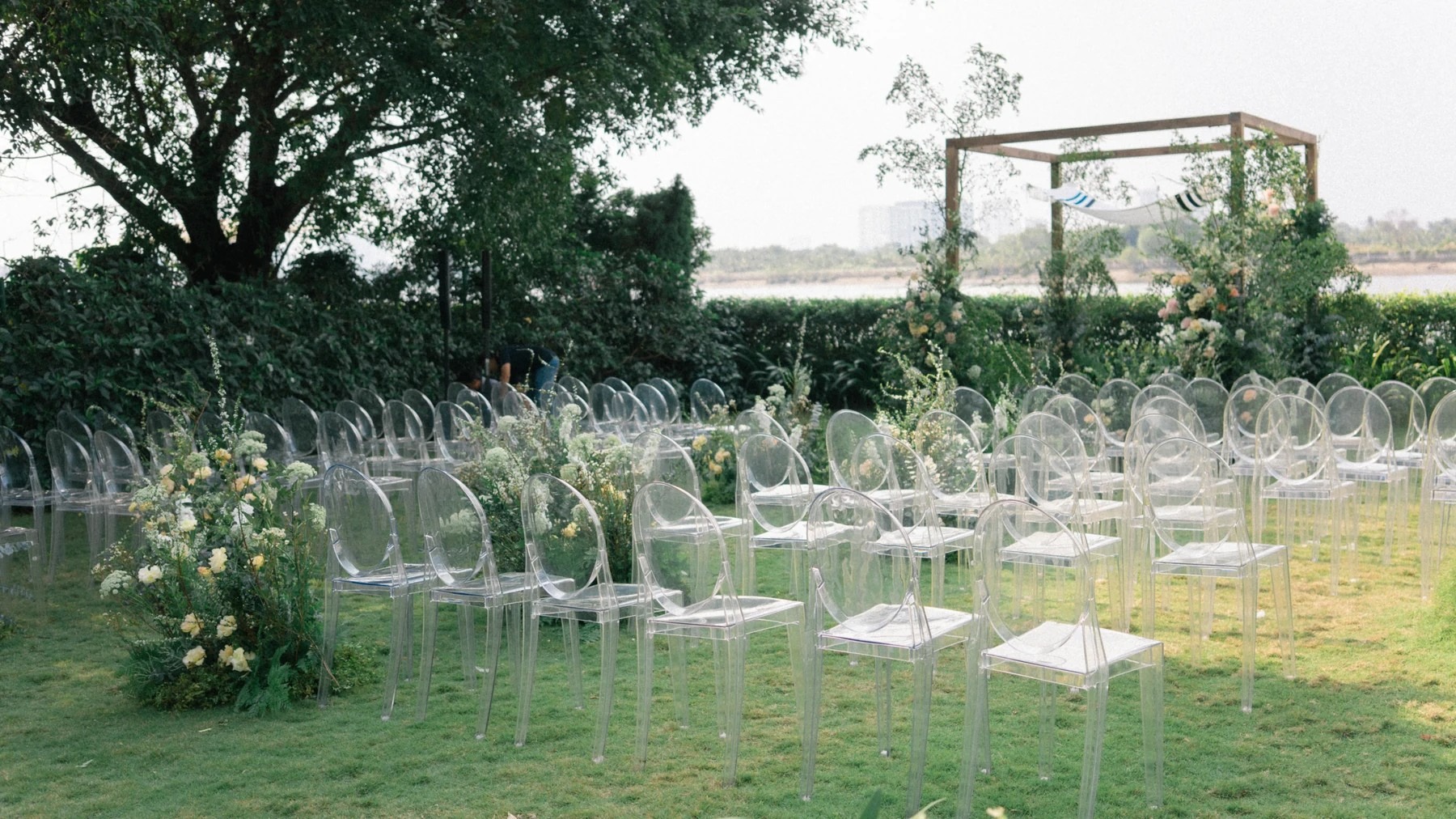
Resort access, curfews, transport, multiple zones and shared production schedules can change the usable performance window. Moving from ceremony lawn to ballroom may require equipment duplication or a planned silence that is not counted as live performance.
A useful next step is understanding Designing a Custom Music Lineup for a Destination Wedding in Vietnam.
The couple and planner should confirm where the musicians wait, when meals are served, how late programme changes are communicated and who can approve an extension.
A coherent evening matters more than maximum minutes
Longer is not always more generous. Live music has the greatest value when it supports the emotional architecture of the event and leaves the room wanting the next phase.
The right duration is therefore the one that gives each set a reason, respects the musicians’ performance quality and connects clearly to the DJ, playback or closing moment that follows.
What changes the recommended duration
An earlier ceremony and long reception do not automatically require the band to cover the entire day. Live music may have greater impact when assigned to arrival, dinner and the first dance-floor peak, while other phases use curated playback or a DJ.
Guest behaviour matters as much as the published timeline. A destination group that has spent several days together may be ready to dance earlier; another room may prefer conversation until formal moments are complete. The band leader and planner should understand which parts of the schedule are fixed and which can respond to the room.
Lineup and repertoire also affect endurance. Background sets, featured vocal performance and high-energy dance music place different demands on the musicians. A schedule that protects quality will often feel more generous than one that asks for continuous playing until the arrangements lose detail.
This decision also connects closely with Live Band and DJ: Two Different Roles at One Wedding.
Before signing, couples should request a simple set plan showing the expected live windows, programme interruptions, break coverage and final handover. That plan is more useful than a single duration printed without context.
Questions couples often ask
Is 20–26 songs a guaranteed number?
No. It is a planning reference that varies with song length, arrangements, speeches and programme interruptions.
How long should each set be?
Set length should follow the room and programme. The final structure is confirmed in the run-of-show.
Do breaks reduce the value of the booking?
Not when they protect performance quality and are integrated with speeches, service or agreed playback.
Can the band perform in two locations at one resort?
Potentially, but movement, duplicate equipment, access and timing must be reviewed.
Can live time be extended on the night?
Only if venue rules, musicians, production and the commercial agreement allow it.
Written and reviewed by Lux Band Editorial Team
·
“The value of live music is not measured by filling every minute. It is measured by making the right minutes matter.”
Map live sets around the moments already in your programme
Share your confirmed run-of-show with Lux Band so live sets, breaks and transitions can be designed around the actual evening.
Plan your live-music run-of-show →