Jazz can change a wedding without asking guests to notice the change. A brushed rhythm, spacious piano voicing, warm vocal phrase or lyrical saxophone line can make a room feel more composed while conversation continues. That ability to create atmosphere without demanding attention is why jazz sits naturally beside the quiet-luxury language of a refined wedding.
Jazz is an atmosphere before it is a genre
Couples sometimes imagine jazz as one narrow sound: a smoky club, an old standard or a saxophone solo. In practice, jazz vocabulary can range from intimate vocal standards to bossa, swing, modern soul-jazz and elegant instrumental arrangements.
For a wedding, the value is often in its behaviour. Jazz can remain present without being intrusive. It can support arrival and conversation, then become more expressive when guests are ready to listen.
That flexibility makes it useful in hotels, restaurants, lounges and semi-outdoor receptions where the music must coexist with architecture and hospitality service.
For the wider planning context, explore Acoustic Band or Modern Live Band for Your Wedding?.
Why it fits quiet luxury
Quiet luxury is not the absence of energy. It is confidence without overstatement. Jazz can express that through restraint: musicians listen to one another, leave space between phrases and allow dynamics to remain responsive to the room.
A simple arrangement played with touch and timing can feel more expensive than a dense arrangement played at maximum volume. Guests hear detail—the breath before a vocal line, the resonance of piano, the movement of bass—rather than one undifferentiated wall of sound.
For Lux Band, this is less about presenting “jazz” as a theme and more about using its musical language to shape sophistication.
The strongest wedding moments for jazz
Guest arrival and cocktail hour are natural settings because jazz can establish identity before the formal programme begins. During dinner, slower standards can create warmth while leaving room for conversation.
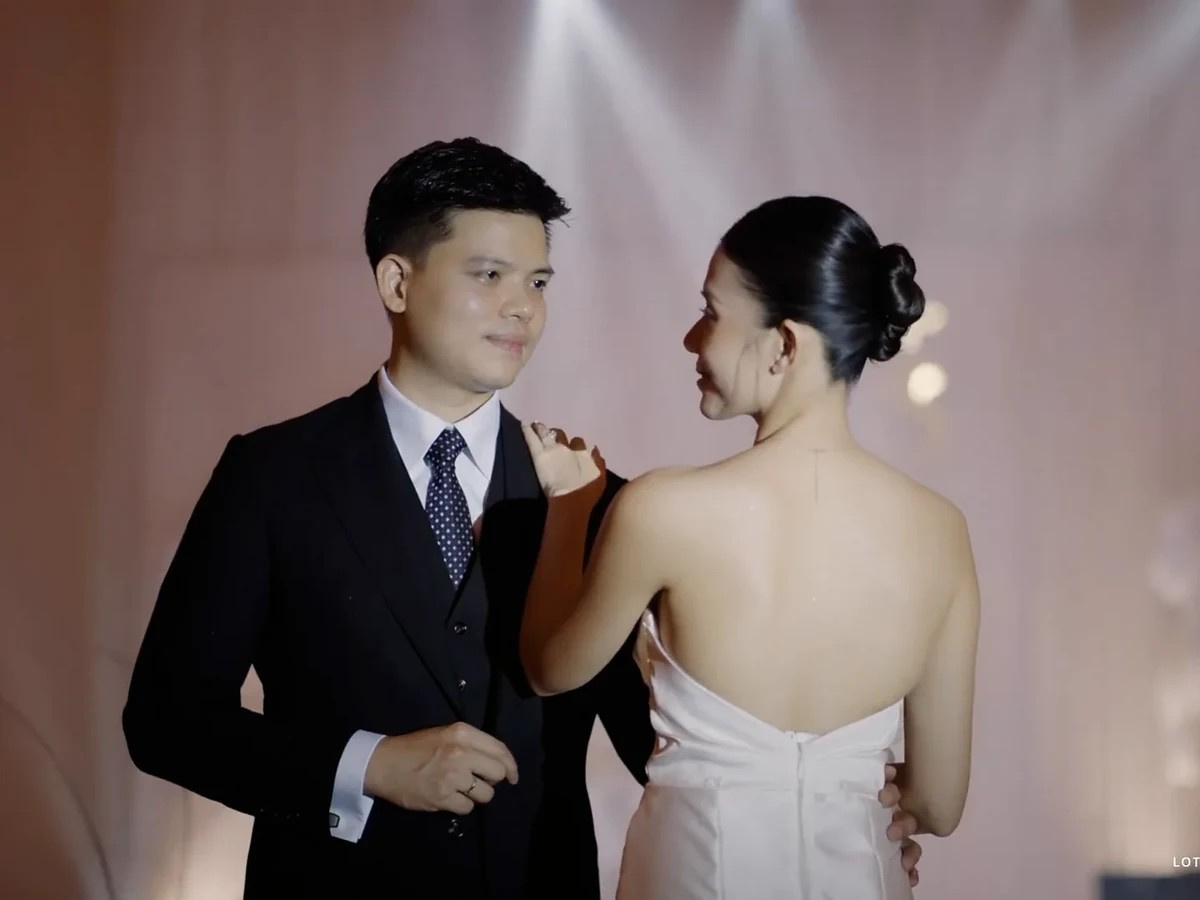
Jazz can also support a first dance or couple dedication when the song has lyrical relevance. Later, the set can move toward swing, soul or more rhythmic material if the celebration needs energy without jumping immediately into a modern party set.
The key is progression. Jazz should not remain static simply because the wedding aesthetic is elegant.
A real Lux Band example at Coastal Saigon
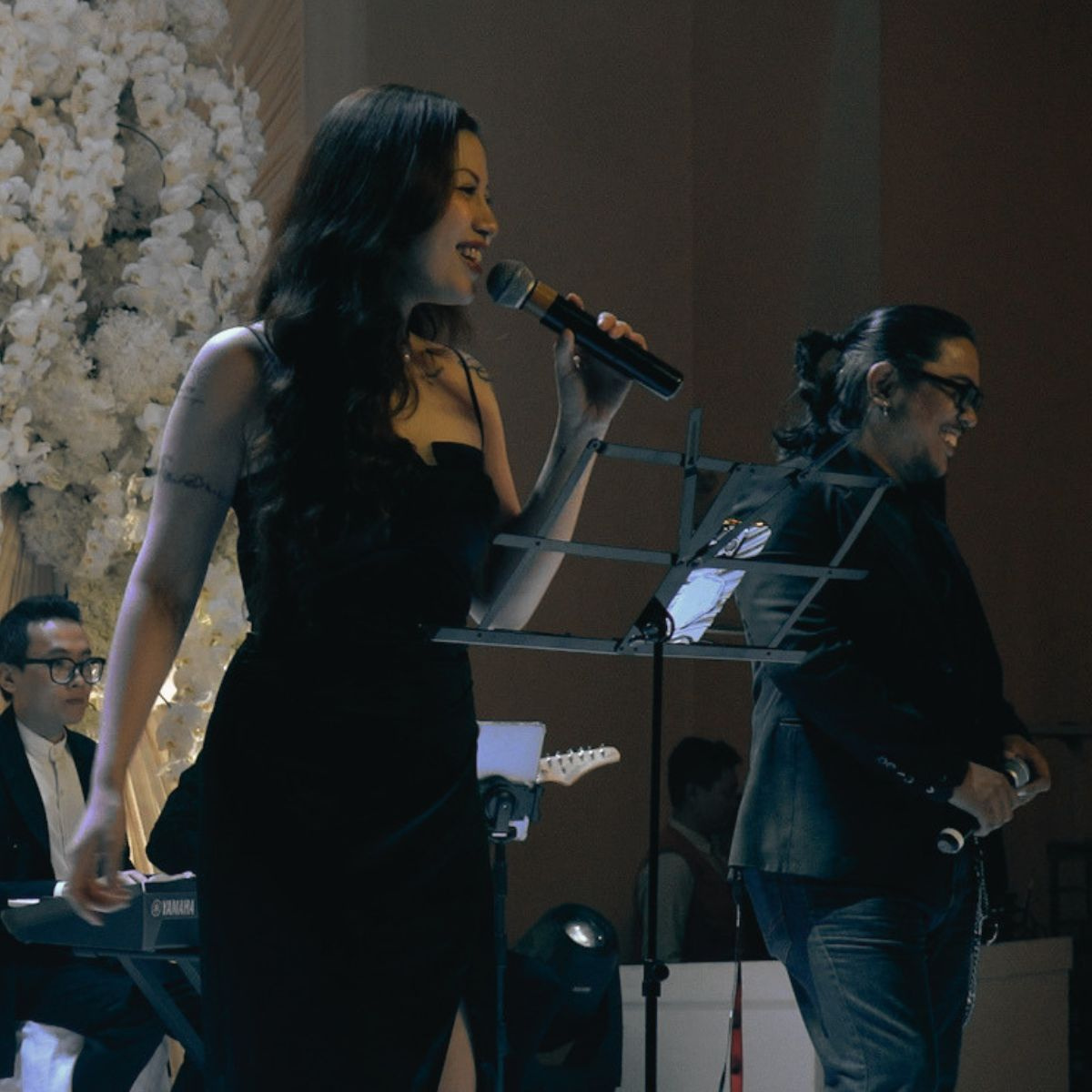
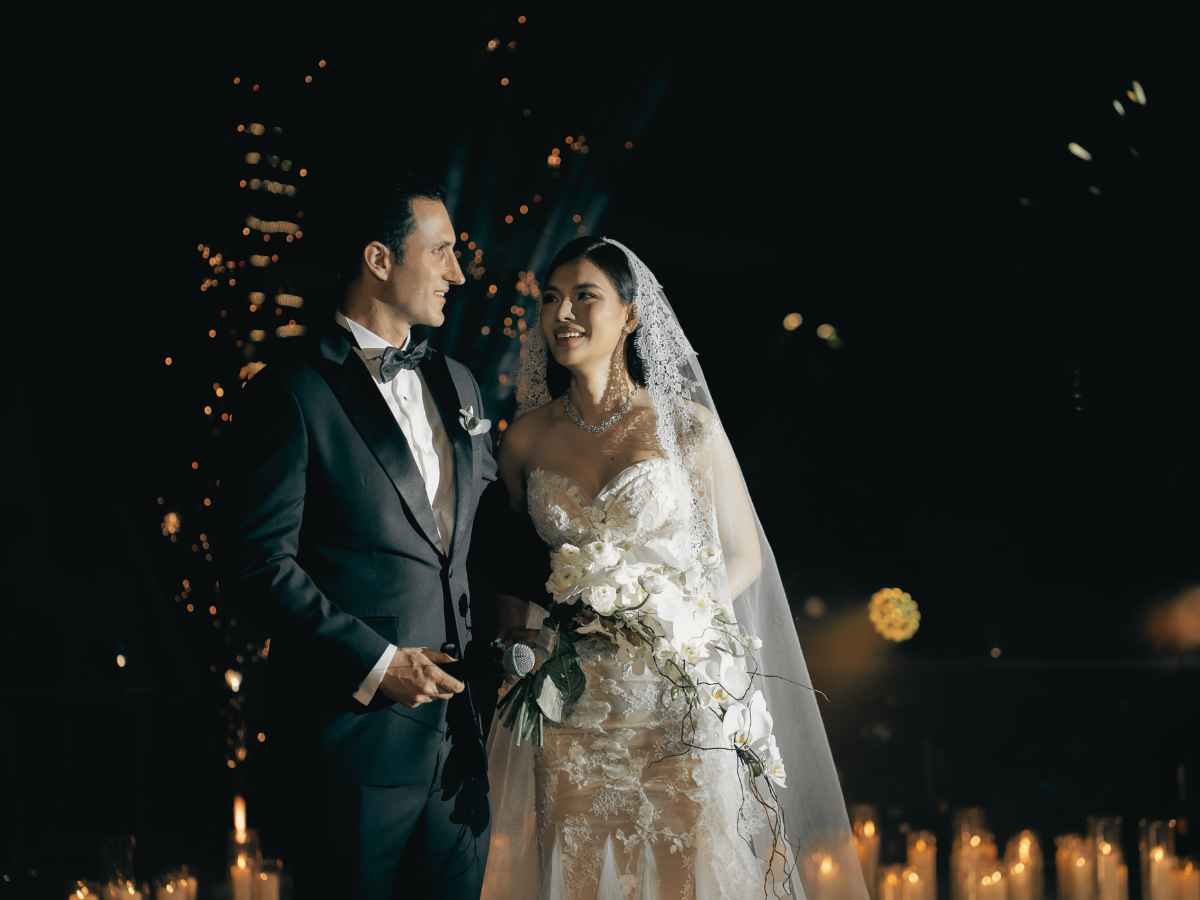
For Ngọc and Thắng's wedding at Coastal Saigon, Lux Band's retained real-performance evidence includes the songs L.O.V.E and I Wish You Love. Those choices illustrate two useful qualities of jazz-oriented wedding repertoire: recognisable melody and emotional lightness.
Neither song needs excessive production to communicate. The performance can remain intimate and conversational, which suits a setting where guests are close to the musicians and the surrounding environment is part of the experience.
The case supports the broader point: jazz can be memorable precisely because it does not need to dominate the room.
A useful next step is understanding Ceremony Music: Why the First Song Sets the Tone.
Instrumentation should follow the room
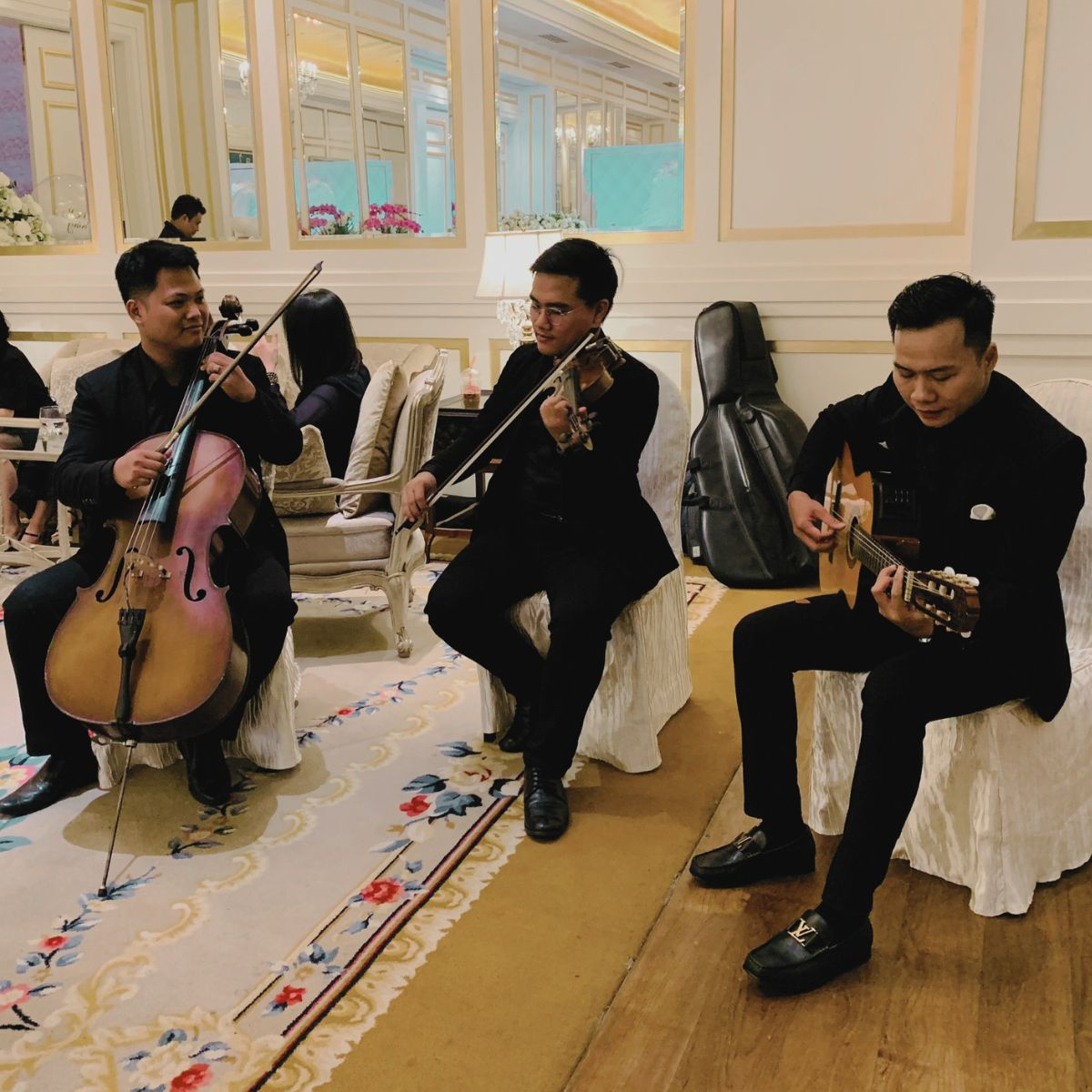
Piano or keyboard can provide harmonic colour; bass gives the music shape without excessive volume; brushed or controlled drums add movement; guitar can keep the texture light; saxophone or violin can become a featured melodic voice; and a vocalist can shift the set from ambience toward direct emotional storytelling.
There is no single mandatory jazz lineup. A smaller ensemble may feel more luxurious in an intimate venue because every detail is audible. A larger ballroom may need additional rhythmic or harmonic support, but more performers should still serve clarity.
The room, guest distance and programme matter as much as the genre.
Curate standards without becoming predictable
Classic songs are valuable because guests recognise them quickly, but a full evening of obvious standards can make the set feel generic. A stronger approach mixes familiar anchors with less expected arrangements and songs that reflect the couple's own taste.
The band can also borrow jazz language without performing only jazz repertoire. A pop song reharmonised lightly for dinner, or an R&B song played with a more spacious groove, can preserve familiarity while keeping the sonic world consistent.
The result is not a playlist labelled “jazz wedding.” It is a coherent atmosphere that can move with the evening.
This also connects closely with Designing a Custom Music Lineup for a Destination Wedding in Vietnam.
Questions couples often ask
Is jazz too quiet for a wedding reception?
No. Jazz can range from intimate dinner music to energetic swing and soul-influenced sets. The arrangement determines the intensity.
Do we need a saxophone for a jazz sound?
No. Piano, guitar, bass, drums and vocals can create a convincing jazz language without saxophone.
Can jazz work for international guests?
Yes. Many standards and jazz-influenced songs are internationally familiar, and instrumental music crosses language boundaries naturally.
Can the band mix jazz with pop and R&B?
Yes. Thoughtful arrangements can connect those styles without making the evening feel fragmented.
Is jazz suitable for an outdoor wedding?
It can be, provided sound reinforcement, weather protection and instrument needs are planned for the venue.
Written and reviewed by Lux Band Editorial Team
·
“Jazz can make a room feel more considered without ever asking the room to stop and admire it.”
Create sophistication that guests feel before they name it
Share your venue, favourite standards and the atmosphere you want around cocktails or dinner. Lux Band can shape a jazz-informed direction around the space and programme.
Start a conversation →